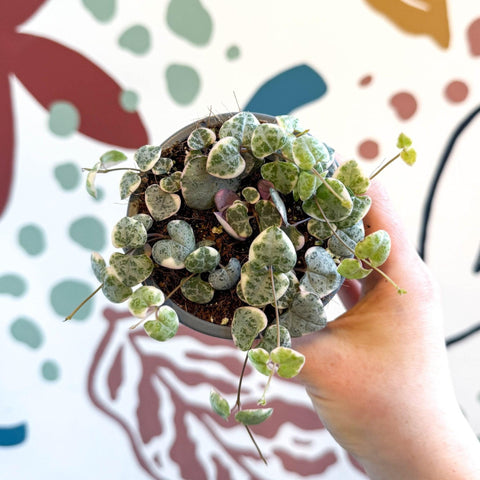


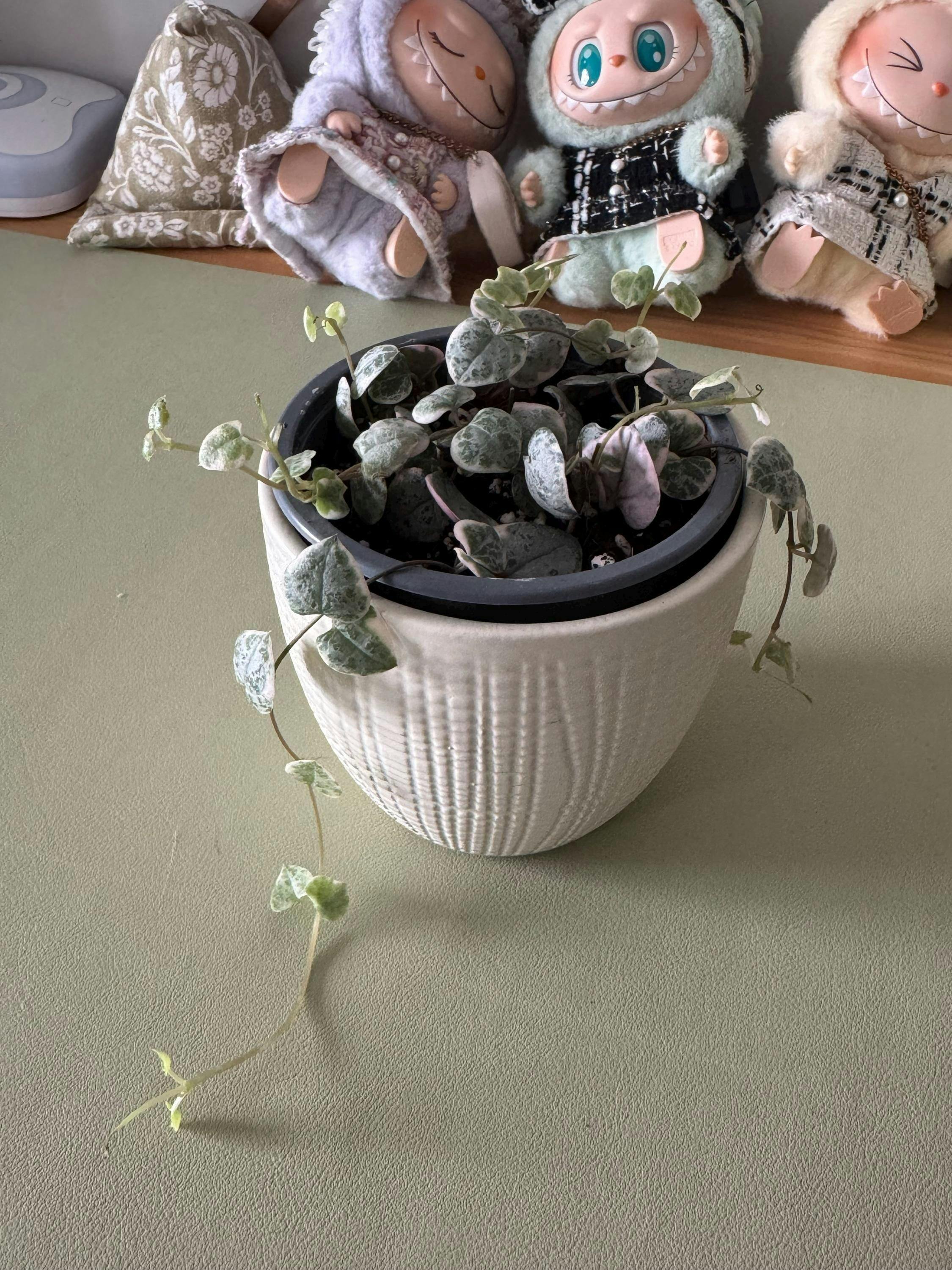
Ceropegia woodii variegata - Variegated String of Hearts
Let customers speak for us
Beautiful healthy plant, well packaged and a great size. Highly recommend.

Great quality and helpful that you can order small quantities.

Great mix , will be buying more.

The Christmas foliage was so beautiful and fresh. It arrived when promised and was nicely packaged, also the smell when I opened the box was delightful. I can definitely recommend this company and will buy from them again.. Thank you...

Really unusual plant. Came with a good amount of greenery, really well packaged. Very pleased again with your service as well as choice and quality of your plants

Beautiful little plant, even came with a baby. It was packaged very well to protect all of the plant. This is my second purchase from you and I've been really pleased both times

Great packing,plants arrived in great condition. Thanks

Lovely candles! Can't wait to use them on my table on Christmas day!

Much prettier than I expected so it exceeded my expectations. Lovely Christmas decoration. Thank you.
![The 'Mulled Wine' Fresh Foliage Christmas Wreath [Made to Order]](https://judgeme.imgix.net/sprouts-of-bristol/1764939241__img_20251128_124445__original.jpg?auto=format&w=500)
Yeah it's great looks nice, I'm sure the neighbours are jealous

Fabulous mix sizes and cuts, created stair and fireplace garland together with some kitchen light decor, one sprig left! Great service and delivery would highly recommend- thank you!

Wonderful product and the sizing chart was perfect, thank you!

These are just so perfect!

Good quality specimen of Scots Pine which arrived much quicker than I expected.
Very pleased with my first purchase.

Great customer service, Thank you will definitely be buying again soon 👍🙂
What customers think about the store
Sprouts of Bristol offers high-quality, well-packaged plants with excellent customer service. Customers praise the healthy condition of plants upon arrival, speedy delivery, helpful staff, and the store's commitment to sustainability. The rescue plant boxes ar...
AI-generated from customer reviews.
Check out The Sprouts Blog
Sprouts insights to house plants, gardening, our favourite brands and plant hire case studies.