Euphorbia baioensis is an unusual succulent Euphorbia with slender, upright stems covered in pairs of prominent spines. Its sculptural, branching growth gives it an almost miniature desert-tree appearance, making it a brilliant choice for collectors of unusual succulents and architectural plants.
Scientific Name
Euphorbia baioensis
Common Name(s)
Euphorbia baioensis
Origin
Native to Kenya, where it grows in hot, dry and rocky environments.
Light
Prefers very bright light and will appreciate several hours of direct sunlight once acclimatised. A sunny windowsill or similarly bright position is ideal. Introduce plants gradually to stronger direct sun to prevent scorching.
Water
Water thoroughly and then allow the soil to dry out completely before watering again. It is highly susceptible to problems caused by overwatering, particularly during cooler months. Water much more sparingly during autumn and winter when growth slows.
Humidity
Prefers low to average household humidity. Avoid particularly humid positions and provide good airflow around the plant.
Soil
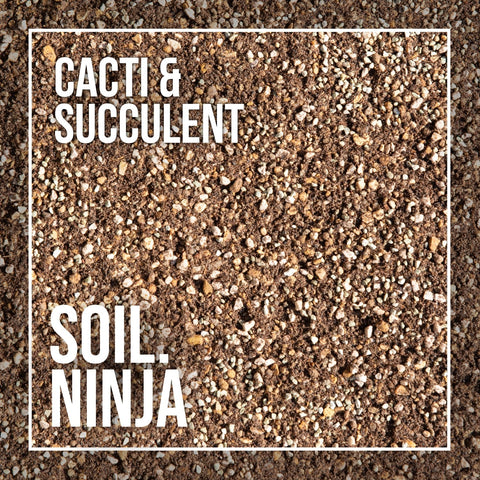
Use a very free-draining cactus and succulent mix with plenty of added mineral material such as perlite, pumice or grit. Never allow the plant to sit in water.
Food
Feed lightly every 4–6 weeks during spring and summer with a diluted cactus and succulent fertiliser. Little to no feeding is required during autumn and winter.
Temperature
Prefers warm temperatures and should be protected from frost. Keep above approximately 10°C, particularly when the soil is damp.
Pet-safe
No. Like other Euphorbias, Euphorbia baioensis contains a milky latex sap that can irritate the skin and eyes and is toxic if ingested. Keep away from pets and children, and take care when handling or pruning.
Sprouts Top Tips
The biggest risk with Euphorbia baioensis is too much water. Give it your brightest position and let the compost dry thoroughly between waterings, especially during winter. Its sharp spines and irritating sap also mean it is best positioned somewhere it won’t regularly be brushed against.
Extras
With age, the upright stems can branch to create an increasingly sculptural specimen. Its naturally compact, slow-growing habit makes it particularly well suited to a sunny windowsill or succulent collection.
Did You Know?
Despite its cactus-like appearance, Euphorbia baioensis isn’t a cactus. Euphorbias and cacti evolved similar fleshy, spiny forms independently as adaptations to surviving in dry environments – an example of convergent evolution.