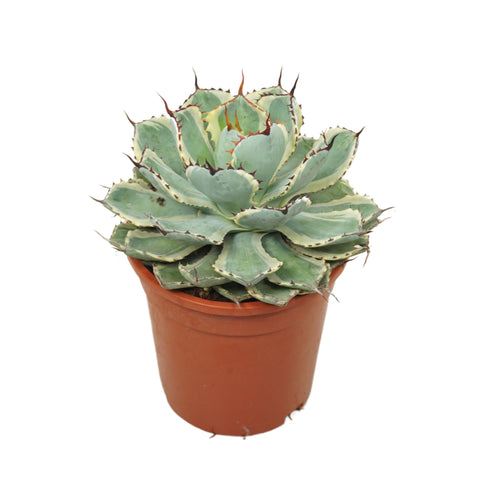
Agave potatorum ‘Variegata’ – Variegated Butterfly Agave
Compre con confianza
Todo lo que hacemos está diseñado para que su pedido le llegue de forma segura y satisfactoria.
🌿 Empaquetado con cuidado en Bristol, Reino Unido
⭐ Amado por miles de clientes satisfechos de Sprouts
📦 Entrega con seguimiento de Royal Mail
💚 Empresa independiente y empleador que paga el salario digno real
Si su planta llega dañada o en mal estado, lo solucionaremos. Obtenga más información aquí
Cada planta es cuidadosamente embalada por nuestro pequeño equipo de amantes de las plantas de Bristol, utilizando embalajes protectores, en su mayoría libres de plástico.
Ocasionalmente, es posible que encuentre plástico de burbujas reutilizado; esto nos ha sido donado y le animamos a que lo reutilice también.
Los pedidos suelen embalarse y enviarse en un plazo de 2 a 4 días laborables. Ocasionalmente, podemos retrasar el envío durante períodos de clima extremo para proteger sus plantas. Siempre priorizamos la salud de las plantas sobre la velocidad de entrega.
El envío cuesta 4,99 £ para cualquier número de artículos, o es gratuito en pedidos superiores a 60 £. Solo realizamos envíos a todo el Reino Unido.
También ofrecemos entrega local en bicicleta en Bristol por 4,99 £ a través de Pedal Collective, una opción más suave para las plantas y el planeta.
Creemos en pagar a las personas de manera justa, por eso hemos sido un Empleador con Salario Digno Real desde el principio. Somos una empresa independiente de Bristol y empaquetamos cada pedido nosotros mismos.
Apoyarnos significa apoyar el trabajo justo.
¿Preguntas antes de realizar el pedido? Solo envíanos un mensaje, siempre estaremos encantados de ayudarte.
Dirígete a nuestra página de contacto y rellena el formulario de contacto y uno de los miembros del equipo se pondrá en contacto contigo en breve.
Agave potatorum ‘Variegata’ is a striking architectural succulent admired for its beautifully patterned foliage and perfectly formed rosette. Its broad, fleshy leaves feature gorgeous shades of blue-green, creamy yellow and pale green, often edged with contrasting teeth and finished with a distinctive pointed tip. With its compact, symmetrical growth habit and sculptural appearance, this beautiful variegated Agave makes a wonderful statement plant for sunny windowsills, conservatories and sheltered outdoor spaces.
Scientific Name
Agave potatorum ‘Variegata’
Common Name(s)
Variegated Butterfly Agave, Butterfly Agave, Variegated Agave
Origin
A variegated cultivated form of Agave potatorum, a species native to the semi-arid regions of southern Mexico, particularly Oaxaca and Puebla. In its natural habitat, it grows in rocky, well-draining soils exposed to plenty of sunlight.
Light
Prefers very bright light with several hours of direct sunlight each day. A sunny south or west-facing windowsill, conservatory or sheltered outdoor position is ideal. Plenty of light helps maintain its compact rosette shape and beautiful variegation.
Introduce plants gradually to stronger sunlight, particularly after winter, as the lighter areas of the leaves can be more susceptible to scorching.
Water
Allow the soil to dry out completely between waterings, then water thoroughly and allow excess water to drain away. Agaves are highly drought-tolerant and store moisture in their thick, fleshy leaves.
Reduce watering significantly during autumn and winter, particularly when temperatures are cooler. Avoid allowing water to collect in the centre of the rosette for prolonged periods.
Humidity
Prefers low humidity and good airflow. Agaves are naturally adapted to dry environments and do not require misting or additional humidity. Avoid particularly damp or poorly ventilated conditions.
Soil
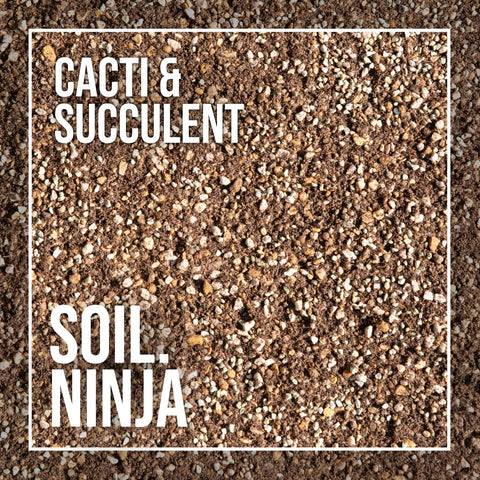
Use a very free-draining cactus and succulent mix with plenty of added mineral material such as pumice, grit or perlite. A mineral-rich growing medium helps prevent excess moisture accumulating around the roots.
Always use a pot with drainage holes to reduce the risk of root rot.
Food
Feed sparingly every 6–8 weeks during spring and summer with a diluted cactus and succulent fertiliser. Agaves are naturally adapted to nutrient-poor soils and require very little additional feeding.
Do not feed during autumn and winter.
Temperature
Prefers temperatures between 15–30°C but can tolerate warmer conditions with good airflow.
Although established Agave potatorum plants can withstand brief periods of cold when completely dry, variegated forms are best protected from frost. In the UK, keep indoors or in a frost-free greenhouse during winter, ideally above 5°C.
Pet-safe
No. Agaves contain irritating compounds that can cause digestive upset if ingested, and their sap may irritate sensitive skin. The sharp leaf tips and marginal teeth can also cause physical injury, so keep away from pets and children.
Sprouts Top Tips
The secret to a happy Agave is plenty of sunshine and excellent drainage. Give your ‘Variegata’ the brightest position available and allow the compost to dry completely before watering again.
Avoid touching the leaves unnecessarily, as their natural waxy coating helps protect them from strong sunlight and moisture loss.
Take care when handling or repotting, as the sharp terminal spines and toothed leaf margins can be surprisingly prickly!
Extras
Agave potatorum ‘Variegata’ develops a beautiful, symmetrical rosette of broad, sculptural leaves. Its compact growth habit makes it particularly suitable for container growing, although it can gradually become a substantial specimen over time.
The creamy-yellow variegation provides a striking contrast against the blue-green foliage, making each plant slightly different in appearance.
Like other Agaves, it is monocarpic, meaning each individual rosette flowers only once during its lifetime. Flowering generally occurs after many years, when the plant produces an impressive tall flower spike. Some plants produce offsets that can continue growing after the original rosette has flowered.
Did You Know?
The species name potatorum comes from the Latin word potator, meaning ‘drinker’, and refers to the traditional use of certain Agaves in the production of alcoholic drinks such as mezcal.
The common name Butterfly Agave comes from the plant’s beautifully arranged, broad leaves, which resemble the wings of a butterfly when viewed from above.
Añadir maceta y elementos esenciales para el cuidado
La mayoría de los clientes añaden una maceta o tierra al comprar esta planta.








Consulta el blog de The Sprouts
Ofrece información sobre plantas de interior, jardinería, nuestras marcas favoritas y estudios de caso de alquiler de plantas.