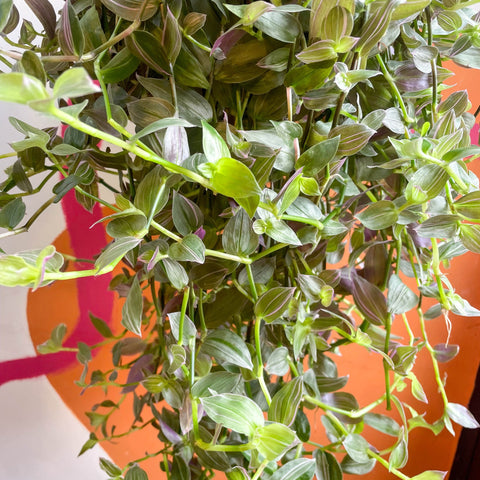
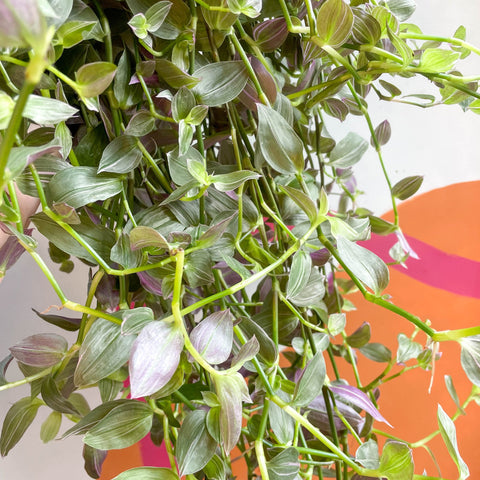
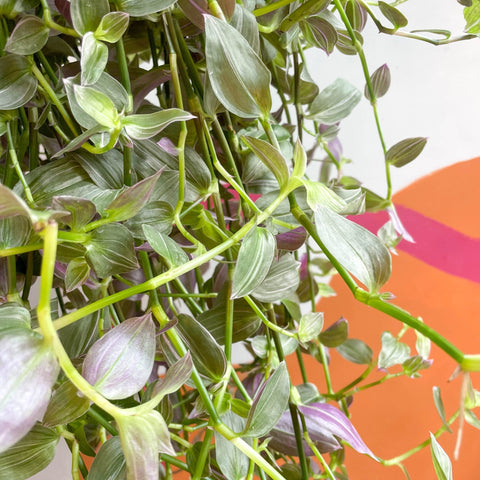
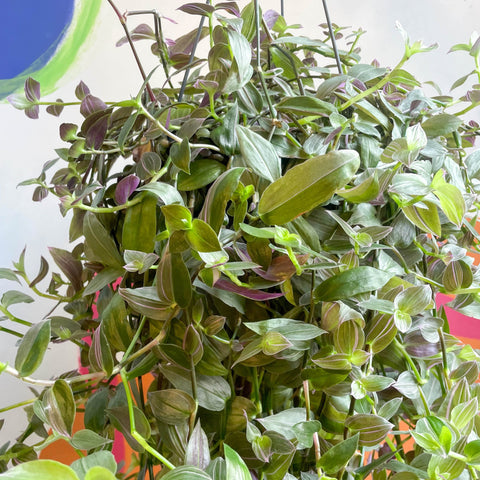
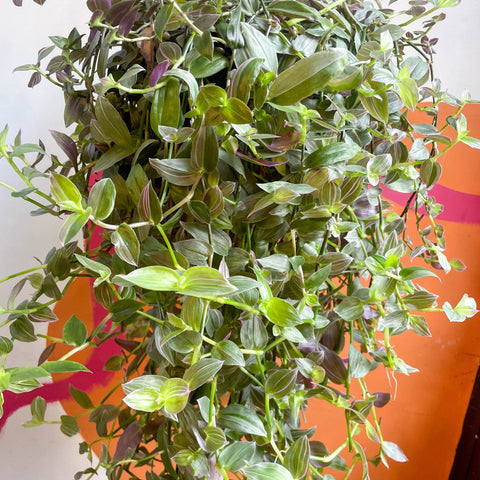
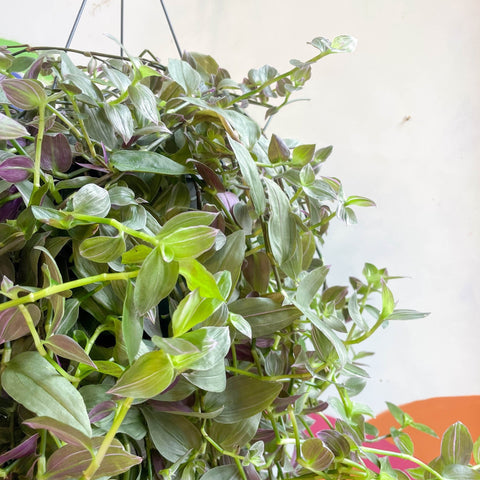
Las Tradescantia son originarias de la selva centroamericana, donde sobreviven arrastrándose por el suelo del bosque o trepando por los troncos de los árboles; como planta de interior crecerán en largas enredaderas colgantes y son perfectas como planta colgante o de arrastre. Las hojas de esta planta son de un precioso color verde pálido con rayas rosas pálidas, y producirán una cascada de follaje. Las Tradescantias tienden a crecer rápidamente incluso como plantas de interior, pero si se alargan demasiado, son fáciles de podar y propagar. Perfectas para hacer tu planta más tupida o para propagar nuevas y distribuirlas por tu casa o compartirlas con otros. Recrea las condiciones de un suelo forestal y esta planta te recompensará con su crecimiento y la expansión de su hermoso follaje dondequiera que la dejes.
Nombre científico
Tradescantia hybrida 'Pink Hill' (Planta de Tradescant, variedad híbrida, cultivar: Pink Hill)
Esta es una especie híbrida o desconocida de Tradescantia, a veces identificada como T. fluminensis o T. umbraculifera.
Nombre común
Trad Pink Hill, Planta de pulgada rosa, Flor de día, Hierba de araña, Wandering Dude, Wandering Jew*
*Este es un nombre despectivo y no debe usarse.
Origen
Las Tradescantias son nativas de América, aunque no se sabe de dónde proviene esta en particular.
Luz
Prospera con luz brillante e indirecta; muy poca luz la dejará lacia y húmeda, y demasiada la blanqueará y la secará.
Agua
Riégala cuando la maceta empiece a sentirse ligera al levantarla; a estas plantas les gusta estar húmedas y prefieren el riego por inmersión (usando un plato debajo en lugar de verter sobre la tierra) para evitar que sus hojas acumulen humedad; esto es especialmente clave con esta variedad, ya que sus hojas peludas están superadaptadas a entornos secos.
Humedad
La humedad promedio es adecuada, pero tu planta se beneficiará de una bandeja de humedad en un lugar más seco o en climas secos.
Sustrato
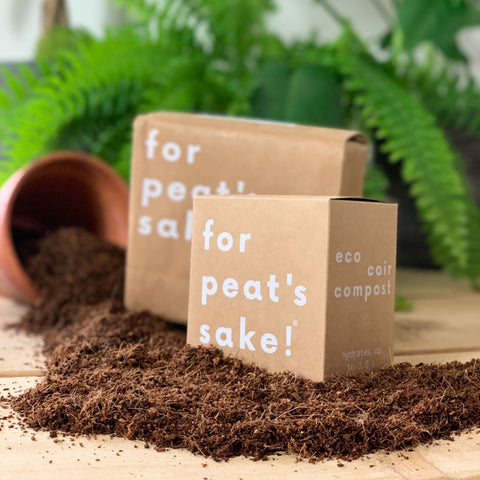
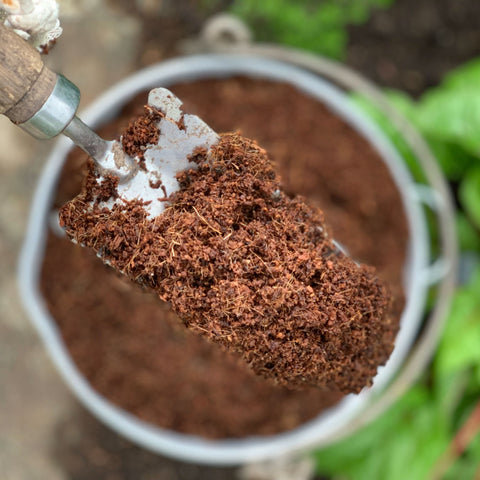
Usa una mezcla que retenga la humedad y drene bien para mantener esta planta sedienta feliz, pero no demasiado empapada. Trasplántala cada tres años si es absolutamente necesario; esta planta prefiere estar apretada en la maceta a ahogarse en el sustrato.
Abono
Abona cada cuatro riegos en la temporada de crecimiento, reduce a cada seis en otoño e invierno.
Temperatura
La temperatura ideal debe estar entre 16-30 °C; asegúrate de que no baje de 10 °C en invierno.
Segura para mascotas
No; aunque esta planta no es tóxica, puede causar algunas reacciones negativas cuando la comen las mascotas, como picazón en la piel y malestar estomacal.
Consejos principales de Sprouts
Para mantener las tradescantias tupidas en lugar de lánguidas, puedes pellizcar o recortar los tallos más largos, que a su vez pueden propagarse, ¡creando más plantas para distribuir por tu casa o compartir con otros!