La Planta Jelly Bean, una especie híbrida de Sedum, se ve exactamente como suena: pequeños senderos de hojas suculentas con forma de gominola. Crece verticalmente hasta que los tallos se vuelven demasiado pesados, momento en el que crecerán un poco más lateralmente, extendiendo su dulzura de gominola. Sin embargo, estas gominolas parecen una mezcla de sabores, ya que son de un verde lima brillante hacia el tallo y de un rojo fresa hacia las puntas. ¿Inspiración para un nuevo sabor de dulce? A pesar de las apariencias, esta planta definitivamente no es comestible, así que para cuidarla, asegúrate de que reciba mucha luz, incluyendo unas buenas horas de sol directo, y deja que la tierra se seque entre riegos... y no la comas... ni les digas a los niños que las gominolas crecen en los árboles.
Nombre científico
Sedum x rubrotinctum (planta sentada, híbrido con hojas teñidas de rojo)
Sinónimos: S. pachyphyllum × S. stahlii (fórmula híbrida)
Esta planta es un híbrido entre las especies Sedum pachyphyllum y Sedum stahlii, cultivado
Nombre común
Planta Gominola, Gominolas Rosas, Sedum "Cerdo y Judías"
Origen
Este híbrido fue cultivado, pero las plantas progenitoras son ambas nativas del suroeste de México; S. stahlii tiene un rango ligeramente mayor, incluyendo la región del Golfo de México.
Luz
La luz brillante ayudará a mantener las gominolas con un tono rosado. Unas pocas horas de sol directo las ayudará a lucir espléndidas y a crecer bien.
Agua
Deja que la tierra se seque por completo entre riegos; cuando tenga sed, podrás ver que las hojas empiezan a arrugarse.
Humedad
Evita los lugares excesivamente húmedos; estas plantas están adaptadas a ambientes áridos.
Tierra
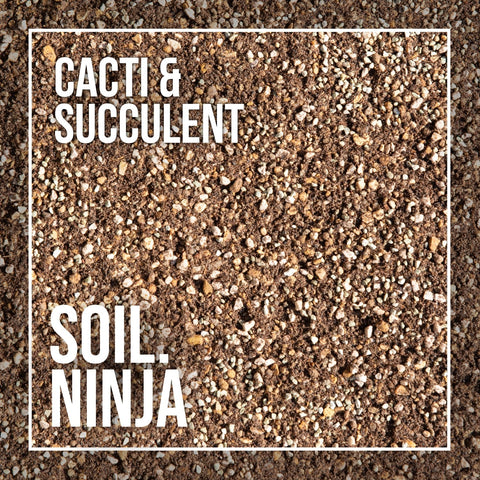
Se necesita una tierra con buen drenaje. Busca tierras específicas para cactus/suculentas, que suelen tener mucha arena y gravilla, para obtener los mejores resultados. Trasplanta cada pocos años a medida que la planta crece.
Abono
Abónala ligeramente en primavera y verano con un fertilizante diluido para cactus cada dos meses; no es necesario abonar en otoño e invierno.
Temperatura
Prefiere temperaturas cálidas entre 15-27°C. Esta especie necesita protección contra las heladas; temperaturas por debajo de los 5°C pueden dañarla.
Seguro para mascotas
No; este sedum es ligeramente tóxico y puede causar síntomas leves como vómitos y diarrea.
Consejos principales de Sprouts
Ten cuidado al mover estas plantas, ya que las hojas se caen con bastante facilidad. Sin embargo, son fáciles de propagar en nuevas plantas si se caen, ¡así que no te desesperes!