Compactas, simétricas y de una textura maravillosa, las Petrocosmea son plantas en miniatura que forman rosetas, conocidas por sus hojas suaves y aterciopeladas dispuestas en espirales perfectas – a menudo descritas como "en forma de remolino". Con su hábito de crecimiento naturalmente bajo y su amor por la alta humedad, son ideales para terrarios, campanas o estantes sombreados, donde prosperan silenciosamente con luz estable y filtrada. Cultivadas en Gales y perfectas para un estilo de espacio pequeño, las Petrocosmea aportan una cualidad tranquila y contemplativa a tu colección de plantas – e incluso pueden recompensarte con pequeñas flores parecidas a violetas cuando están contentas.
Nombre científico
Petrocosmea spp. (Petrocosmea = del griego, que significa "pelo de roca", en alusión a su crecimiento sobre piedras musgosas en la naturaleza)
Nombre común
Planta de remolino, violeta de roseta, Petrocosmea
Origen
Nativa de los bosques nubosos de China y regiones circundantes, donde crecen en rocas húmedas y musgosas en condiciones frescas y sombreadas.
Luz
Prefiere luz brillante e indirecta. Evita el sol directo, que puede quemar sus hojas suaves. Adecuado para ventanas orientadas al norte o al este, o iluminación filtrada de terrarios.
Agua
Mantén la tierra uniformemente húmeda pero nunca empapada. Riega desde la base o cuidadosamente en el borde de la roseta para evitar la pudrición de la corona. Reduce ligeramente el riego en invierno o si se mantiene dentro de un terrario cerrado.
Humedad
Prospera en alta humedad (60-80%), lo que hace que la Petrocosmea sea ideal para terrarios, campanas de cristal u otras configuraciones cerradas. Al aire libre, aumenta la humedad con rociado o una bandeja de guijarros.
Suelo
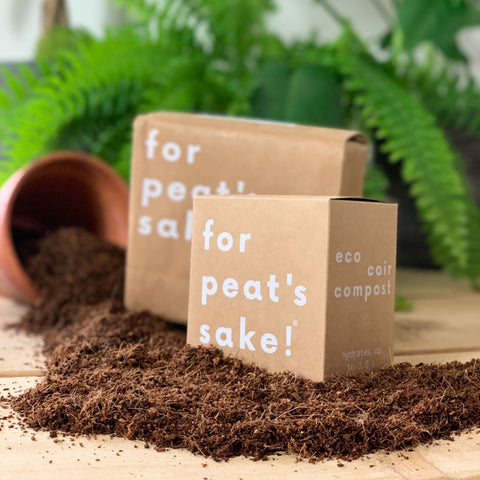
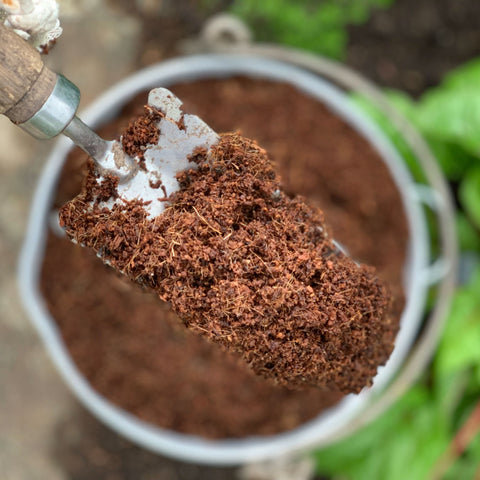
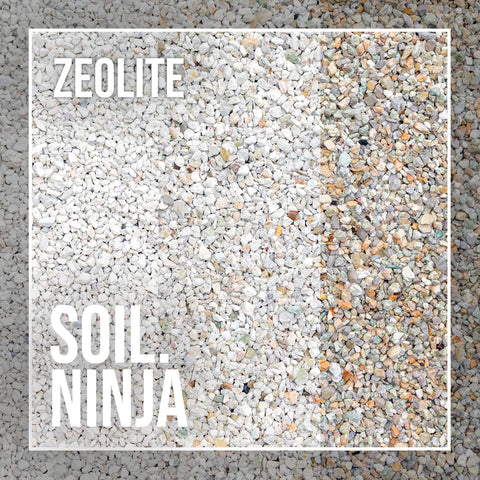
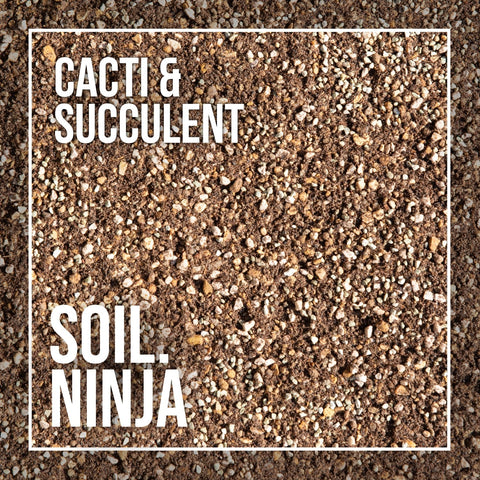
Usa una mezcla ligera y con buen drenaje – un compost para violetas africanas con perlita y corteza fina funciona bien. Un buen drenaje es clave para prevenir el encharcamiento en condiciones húmedas.
Alimento
Fertiliza con moderación cada 6-8 semanas durante la primavera y el verano con un fertilizante diluido para plantas de interior. Estas plantas crecen lentamente y no necesitan una fertilización intensa.
Temperatura
Mejor mantenerla entre 15 y 22°C. Evita las corrientes de aire frío y el aire caliente y seco.
Segura para mascotas
Sí – las Petrocosmea no son tóxicas para mascotas ni humanos.
Consejos principales de Sprouts
Estas delicadas plantas son más felices cuando se las deja tranquilas en un ambiente estable. Son perfectas para terrarios o lugares de poco tránsito donde pueden brillar discretamente. Limpia las hojas suavemente con un cepillo suave para que se vean lo mejor posible.
¿Quieres fomentar la floración?
Muchas variedades de Petrocosmea producen delicadas flores parecidas a violetas en primavera o verano. Para fomentar la floración, proporciona luz constante, noches ligeramente más frescas (alrededor de 12-15°C) y un fertilizante diluido con alto contenido de fósforo a principios de primavera.