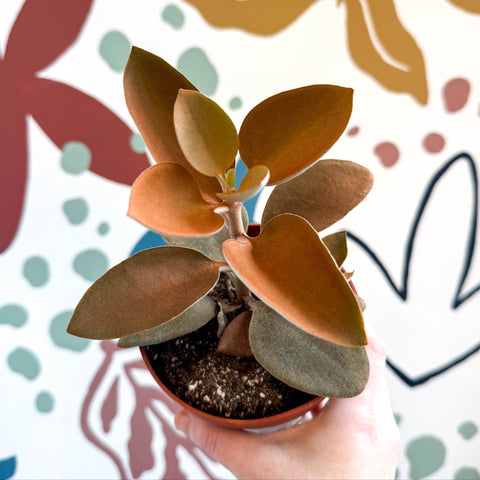
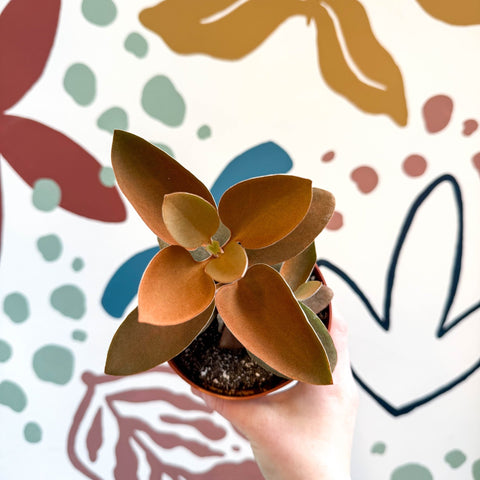

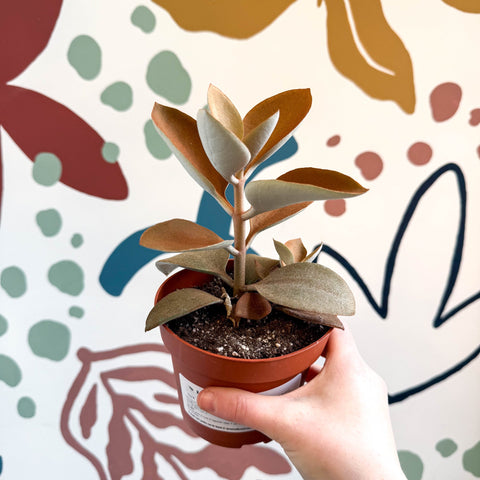
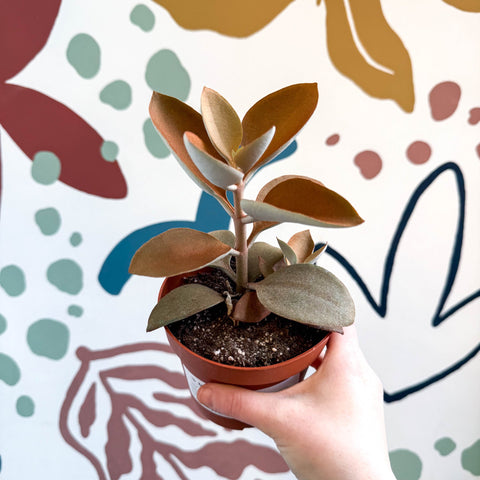
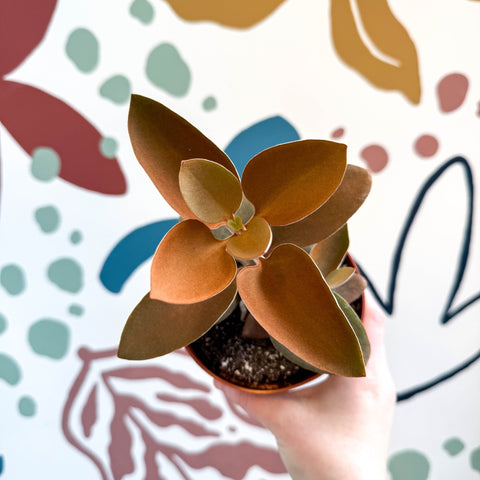

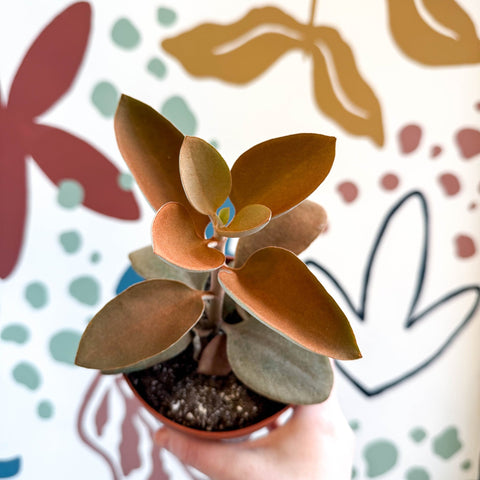
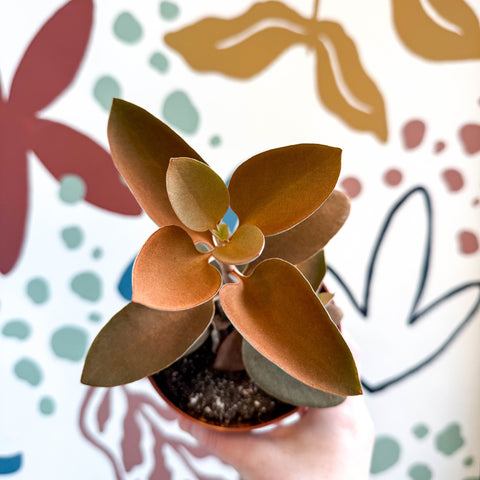
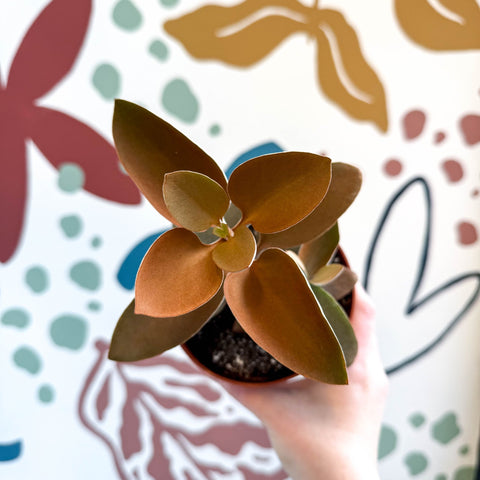
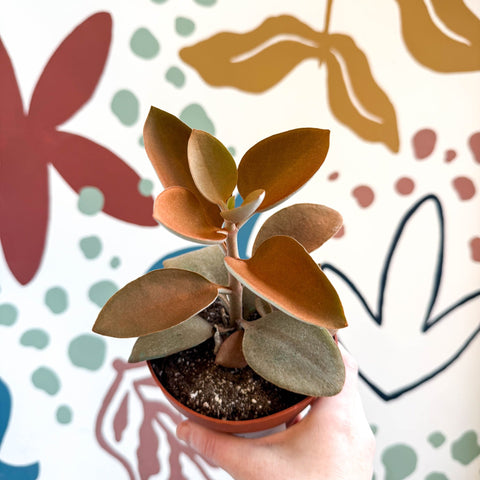

Kalanchoe orgyalis – Copper Spoons
Let customers speak for us

Such a cute idea to jazz up your plants. Made a great gift for my frog loving friend

Such a pretty patterned pot that was great to buy with a plant and gift as a set

Love these mini candles, my favourite st eval scent

The cutest mug and really nice quality. Perfect for gifting in its gift box

Thank you so much for all your help

Beautiful plant which arrived in perfect condition. I have no idea how the team packed it up so carefully and securely, but I am in total awe! Royal Mail even managed to deliver it upside down - there was no damage or any soil escaped due to how carefully it had been packed! Amazing! Now to keep her alive!! Brilliant service 🌟
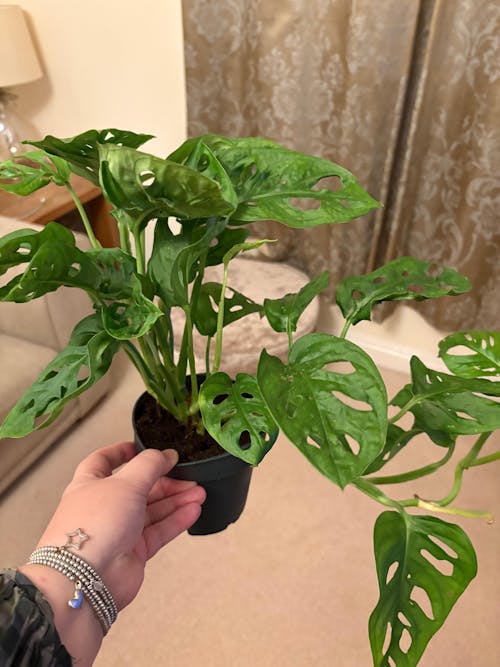
Beautiful and healthy specimen with lots of new leaves and much larger than expected. Packaged so carefully and securely - so happy with my purchases! 🌟
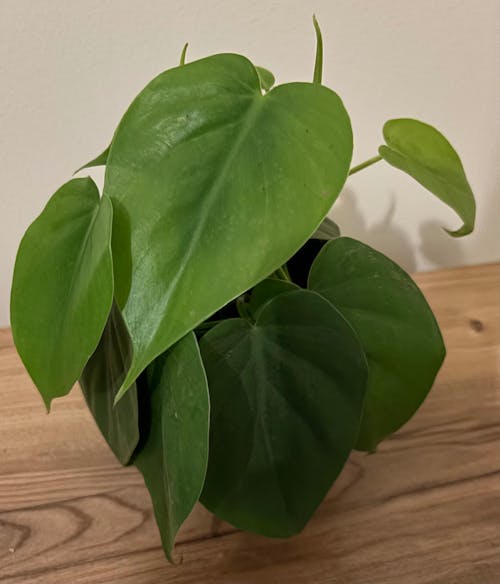
Beautiful plant with lovely heart shaped leaves (and lots of new leaves) in perfect condition. Wrapped and packed so carefully and securely. Delighted with my purchase! 🌟
Great store, friendly staff & knowledgeable

Thank you for all the correspondence regarding the order, quality of items and punctual delivery service
Just what I needed - perfect for making Christmas wreaths

Just what I needed - perfect for making Christmas wreaths

Really solid tote bag with a gorgeous print

Super soft socks and great that they help a good cause too :)

So cute and super soft!
What customers think about the store
Sprouts of Bristol offers high-quality, well-packaged plants with excellent customer service. Customers praise the healthy condition of plants upon arrival, speedy delivery, helpful staff, and the store's commitment to sustainability. The rescue plant boxes ar...
AI-generated from customer reviews.
Check out The Sprouts Blog
Sprouts insights to house plants, gardening, our favourite brands and plant hire case studies.