

Zygopetalum maculatum - Orquídea Zygo
Compre con confianza
Todo lo que hacemos está diseñado para que su pedido le llegue de forma segura y satisfactoria.
🌿 Empaquetado con cuidado en Bristol, Reino Unido
⭐ Amado por miles de clientes satisfechos de Sprouts
📦 Entrega con seguimiento de Royal Mail
💚 Empresa independiente y empleador que paga el salario digno real
Si su planta llega dañada o en mal estado, lo solucionaremos. Obtenga más información aquí
Cada planta es cuidadosamente embalada por nuestro pequeño equipo de amantes de las plantas de Bristol, utilizando embalajes protectores, en su mayoría libres de plástico.
Ocasionalmente, es posible que encuentre plástico de burbujas reutilizado; esto nos ha sido donado y le animamos a que lo reutilice también.
Los pedidos suelen embalarse y enviarse en un plazo de 2 a 4 días laborables. Ocasionalmente, podemos retrasar el envío durante períodos de clima extremo para proteger sus plantas. Siempre priorizamos la salud de las plantas sobre la velocidad de entrega.
El envío cuesta 4,99 £ para cualquier número de artículos, o es gratuito en pedidos superiores a 60 £. Solo realizamos envíos a todo el Reino Unido.
También ofrecemos entrega local en bicicleta en Bristol por 4,99 £ a través de Pedal Collective, una opción más suave para las plantas y el planeta.
Creemos en pagar a las personas de manera justa, por eso hemos sido un Empleador con Salario Digno Real desde el principio. Somos una empresa independiente de Bristol y empaquetamos cada pedido nosotros mismos.
Apoyarnos significa apoyar el trabajo justo.
¿Preguntas antes de realizar el pedido? Solo envíanos un mensaje, siempre estaremos encantados de ayudarte.
Dirígete a nuestra página de contacto y rellena el formulario de contacto y uno de los miembros del equipo se pondrá en contacto contigo en breve.
Como su nombre en latín sugiere, los pétalos de esta orquídea Zygo están cubiertos de patrones de puntos. Su pétalo inferior, que sirve como una especie de pista de aterrizaje para insectos polinizadores en la naturaleza, es de color púrpura brillante con blanco en el borde, y la abertura central de la planta está rodeada de pétalos verdes salpicados de puntos púrpuras que le dan a la planta su nombre científico. Sus largas hojas de color verde medio alcanzan la misma altura que las espigas florales y brotan de "pseudobulbos", la parte de la planta que almacena agua adicional para esta orquídea. Agregue un toque de la selva tropical a su hogar con el exuberante follaje tropical y las distintivas flores de esta inusual orquídea. Las flores perfumadas pueden durar varias semanas en las condiciones adecuadas, así que cuide esta planta y seguirá añadiendo color a su entorno.
Nota importante Hemos intentado identificar estas orquídeas, pero tenga en cuenta que lo hacemos a ojo y comparando las plantas que tenemos en la tienda con fotos en línea. Las orquídeas pueden llegar con las flores abiertas o cerradas.
Nombre científico
Zygopetalum maculatum (planta de pétalos unidos con manchas)
Sinónimos: Maxillaria maculata, Broughtonia maculata, Dendrobium maculatum
Esta especie fue identificada como parte de los géneros Dendrobium, Broughtonia y Maxillaria, pero la clasificación actual es Zygopetalum gracias a un artículo de 1970. Una subespecie de esta orquídea (Z. maculatum subsp. maculatum) fue inicialmente identificada como Zygopetalum mackayi, nombrada en honor al botánico John MacKay, pero fue reclasificada bajo esta especie cuando quedó claro que no era una especie distinta.
Nombre común
Orquídea Zygopetalum, Orquídea Zygo, Orquídea Púrpura, Gato Moteado de la Montaña, Zygopetalum Moteado
Origen
Nativa de zonas llanas, semi-pantanosas y húmedas de Perú, Bolivia y Brasil
Luz
Zygopetalum maculatum prefiere luz brillante e indirecta. La luz solar directa puede quemar sus hojas, así que colóquela en un lugar con luz filtrada o detrás de una cortina translúcida. Durante su período de dormancia en otoño e invierno, se beneficiará de una o dos horas de luz solar matutina débil.
Riego
Riegue regularmente, pero asegúrese de que el agua pueda drenar después de cada riego. Permita que el tercio superior del sustrato se seque entre riegos. Esta especie prefiere condiciones ligeramente más secas entre riegos en comparación con otras orquídeas, así que evite que permanezca en agua.
Humedad
Disfruta de niveles de humedad moderados a altos (50-70%). Una bandeja de humedad o un humidificador de ambiente pueden ayudar a mantener estas condiciones, especialmente durante el invierno cuando los sistemas de calefacción pueden resecar el aire.
Tierra
Plante en una mezcla para orquídeas que drene bien, como una que contenga corteza, perlita y fibra de coco. Esto asegura una buena ventilación de las raíces y previene la pudrición. Replante cada 3-4 años a medida que la planta crece; replantar con esta frecuencia significa que permanecerá un poco apretada en la maceta y será más probable que florezca.
Alimento
Fertilice mensualmente con un fertilizante balanceado para orquídeas durante la temporada de crecimiento (primavera y verano). Reduzca la fertilización en invierno cuando el crecimiento de la planta disminuya. Puede complementar esto con un fertilizante foliar para orquídeas en primavera, pero asegúrese de no excederse y preste atención a las instrucciones de su fertilizante específico.
Temperatura
Esta especie se desarrolla mejor en temperaturas cálidas que oscilan entre 18 y 24 °C. No debe exponerse a temperaturas inferiores a 13 °C, ya que es sensible a las corrientes de aire frío.
Segura para mascotas
Sí; las orquídeas suelen ser no tóxicas para las mascotas, pero es mejor para las mascotas y la planta mantenerlas fuera de su alcance y evitar que las mastiquen.
Consejos principales de Sprouts:
Floración: Zygopetalum maculatum florece a finales del invierno o principios de la primavera, a menudo produciendo flores fragantes. Evite molestar la planta durante este tiempo para fomentar la floración. También se beneficiará de un período de dormancia en otoño e invierno, con temperaturas más bajas, menos fertilización y la introducción de algo de luz solar débil.
¿Sabías que?
Las manchas oscuras en las flores de Zygopetalum maculatum ayudan a atraer a los polinizadores en su entorno nativo. Estas llamativas flores también son conocidas por su fragancia, prominente cuando están en flor.
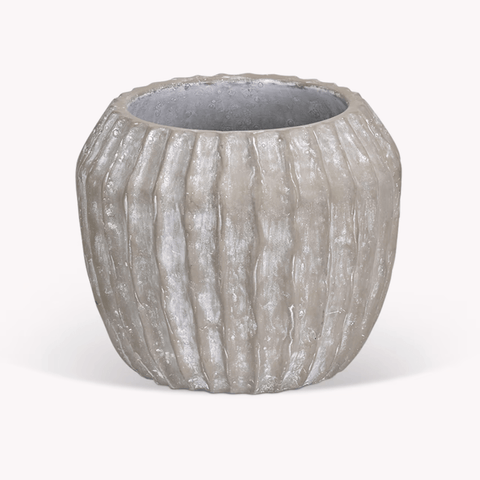
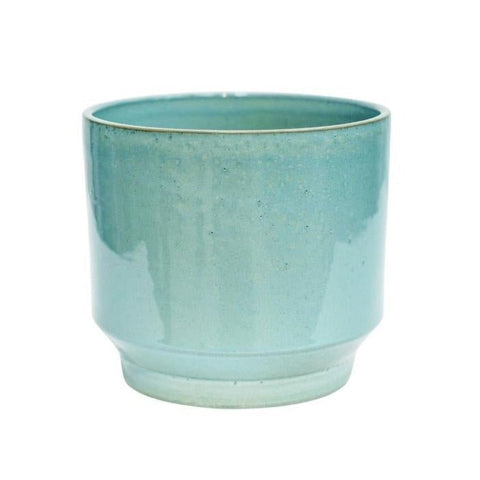
Añadir maceta y elementos esenciales para el cuidado
La mayoría de los clientes añaden una maceta o tierra al comprar esta planta.














Loved my Zygo, very happy and healthy plant in bloom, definitely ordering again from Sprouts of Bristol more
zygopetalum maculatum zygo orchids are delightfully distinctive.
beautiful plant in perfect condition and currently flowering!
Consulta el blog de The Sprouts
Ofrece información sobre plantas de interior, jardinería, nuestras marcas favoritas y estudios de caso de alquiler de plantas.