
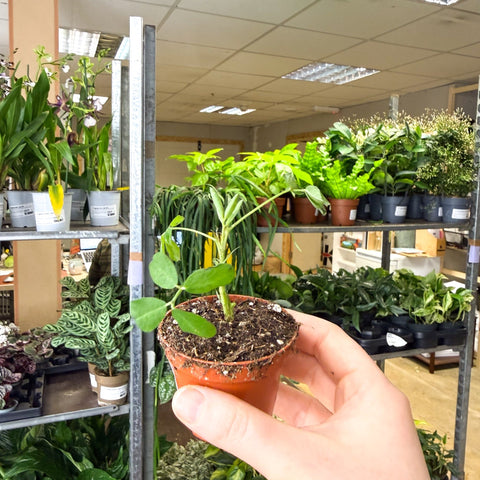
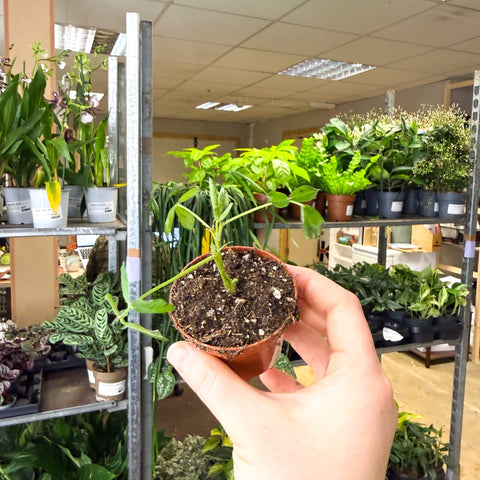
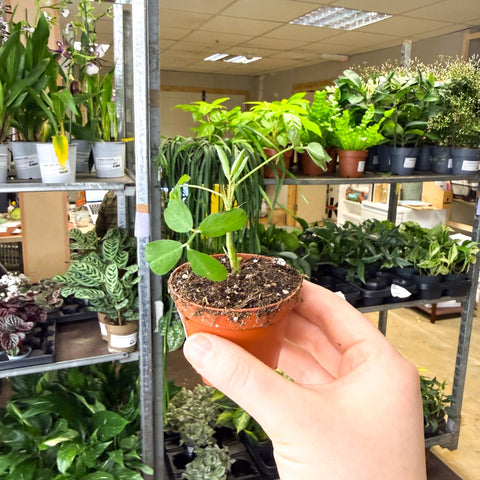
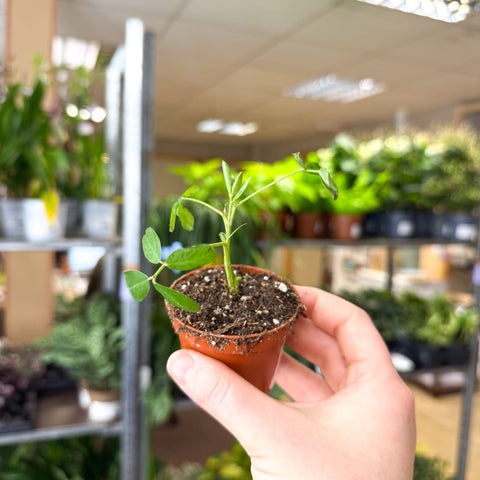

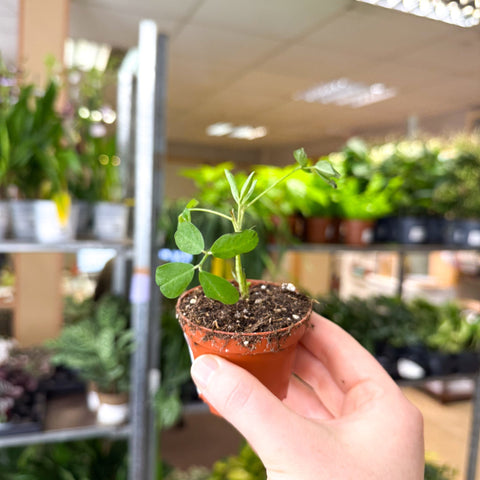

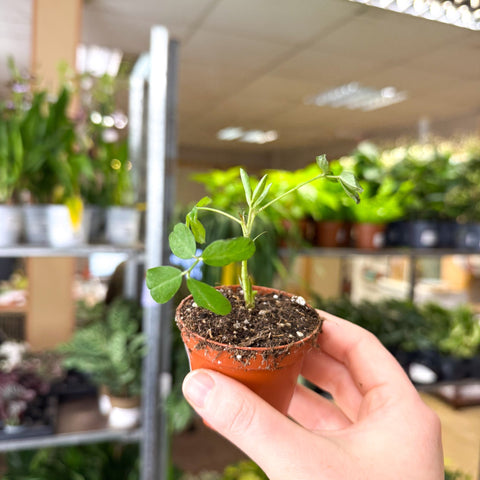
Arachis hypogaea – Peanut Plant
Let customers speak for us

Very healthy plant with fantastic deep coloured leaves.

Lovely plant and excellent service

Bought as a present for my daughter. Great little plants. She loves them.
Stumbled across this store online and absolutely love it, bought 2 orders of plants and both arrived very carefully wrapped and in excellent condition. You have a new fan!!

Love this little plant, very unusual - arrived well packed and just as pictured online, superb service, very happy - I will be back!! 😊

Such a cute little plant - arrived well packed and just as pictured online, superb service, very happy - I will be back!! 😊

Fab pot, arrived well packed and just as pictured online, superb service, very happy - I will be back!! 😊

Fab little pot, arrived well packed and just as pictured online, superb service, very happy - I will be back!! 😊

Great plant, arrived well packed and just as pictured online, superb service, very happy - I will be back!! 😊

What a lovely little plant! It arrived well packed and just as pictured online, superb service, very happy - I will be back!! 😊

A lifesaver for winter plant deliveries, it made a difference in freezing temps

LOVE this cactus, so chunky and chubby - arrived well packed and just as pictured online, superb service, very happy - I will be back!! 😊

Love this stuff, great texture and my plants love it, arrived well packed and just as pictured online, superb service, very happy - I will be back!! 😊

Such a cute little plant! It arrived well packed and just as pictured online, superb service, very happy - I will be back!! 😊

A very healthy plant - arrived well packed and just as pictured online, superb service, very happy - I will be back!! 😊
What customers think about the store
Sprouts of Bristol offers high-quality, well-packaged plants with excellent customer service. Customers praise the healthy condition of plants upon arrival, speedy delivery, helpful staff, and the store's commitment to sustainability. The rescue plant boxes ar...
AI-generated from customer reviews.
Check out The Sprouts Blog
Sprouts insights to house plants, gardening, our favourite brands and plant hire case studies.