Esta flor perenne producirá altas espigas de flores de color rojo brillante desde finales de primavera hasta principios de verano, elevándose por encima del follaje verde brillante. Resistente en la mayor parte del Reino Unido hasta los -20 °C.
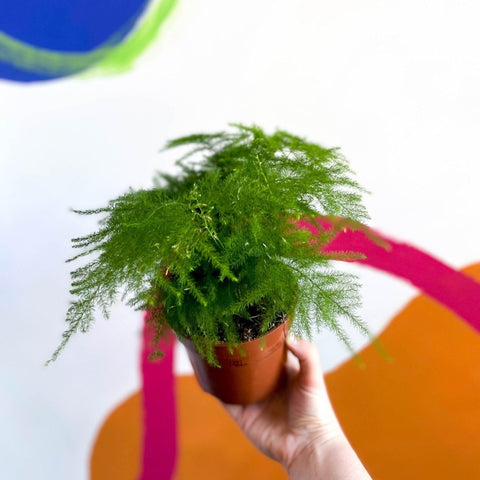
Este perenne puede parecer solo verde por ahora, pero cuando florece, produce torres de flores de color rojo brillante visibles en todo su jardín. Plante su lupino en abril y disfrute del período de floración de mayo a julio, cuando llenará su jardín de color e incluso atraerá mariposas. Una vez que las flores se marchiten, puede desmochar la planta y es posible que sea recompensado con una segunda ronda de floraciones. El mejor momento para podar los lupinos es octubre; ¡y no se preocupe si desaparecen al final del otoño! Las plantas perennes herbáceas morirán en invierno, solo para volver a la vida y florecer nuevamente en primavera después de este período de letargo invernal. Gracias a su altura, se beneficiarán de una posición resguardada, quizás en la parte posterior de un borde, donde recompensarán su cuidado con altas columnas de flores brillantes de verano.
Perenne
|
Flor: tallos altos
|
Mayo a julio
|
Nombre científico
Lupinus polyphyllus (planta de lobo con muchas hojas) 'Legendary Red Shades'
Nombre común
Lupino Rojo Legendario
Origen
Originario de América del Norte
Consejos de poda
N/A - solo podar después de que la planta haya florecido y dado semillas
Valor para la vida silvestre
Polinizadores, incluyendo mariposas y especialmente abejorros, a quienes les encanta su polen.
Posicionamiento
Pleno sol a sombra parcial
Agua
Tolerante a la sequía; no es necesario regar manualmente ya que tienen raíces largas y pueden obtener suficiente agua de esa manera
Suelo
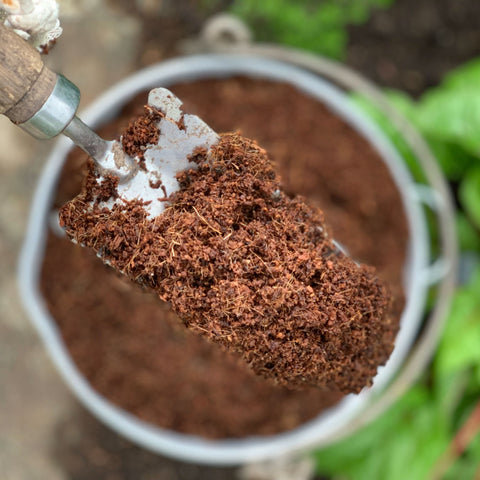
El suelo húmedo, profundo pero bien drenado y ligeramente ácido es lo mejor; los lupinos crecen mucho mejor en el suelo que en macetas, así que evite plantarlos en contenedores.
Alimento
No es necesaria una fertilización extra
¿Es seguro para mascotas?
Contiene elementos tóxicos, ¡así que mantén las patitas alejadas de esta planta!
Consejos principales de Sprouts
Los lupinos se auto-sembrarán en el jardín, por lo que puedes recolectar las plántulas y cultivarlas para obtener aún más plantas; y si quieres clonar tu planta y tener más flores del mismo color, puedes tomar esquejes basales en primavera.
¡A las babosas y caracoles les encanta masticar los lupinos, así que estate atento a estos bichos pegajosos!