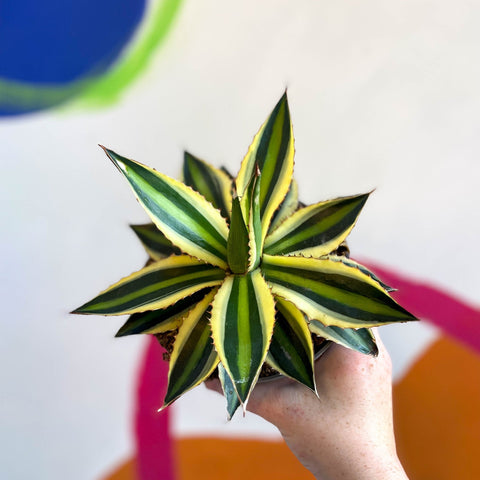
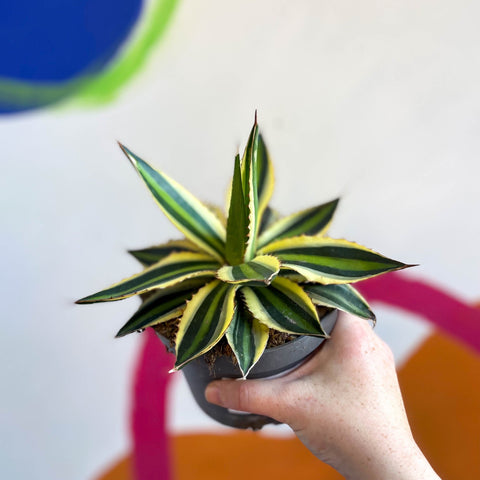
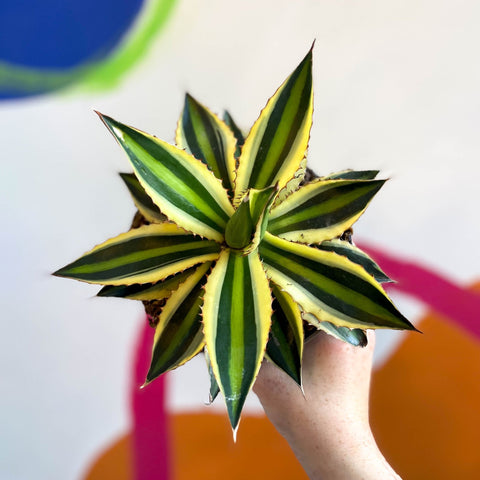
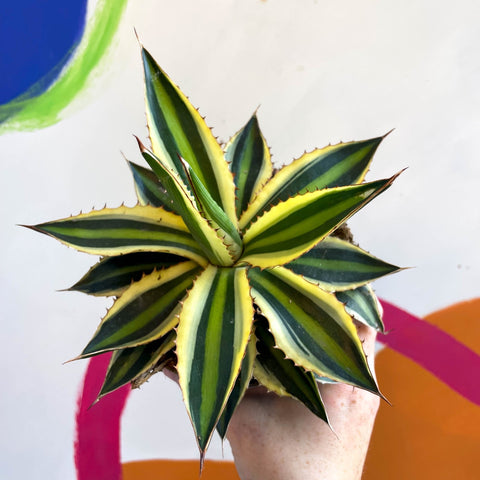
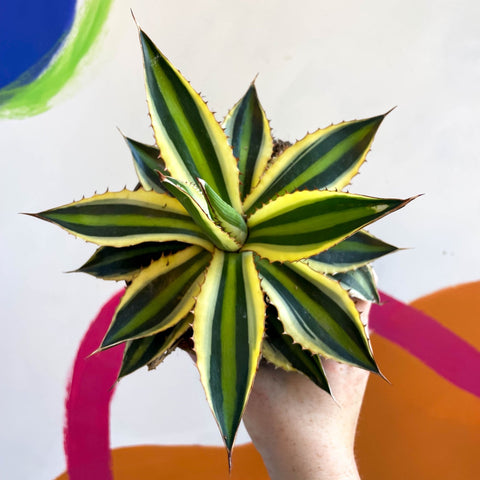
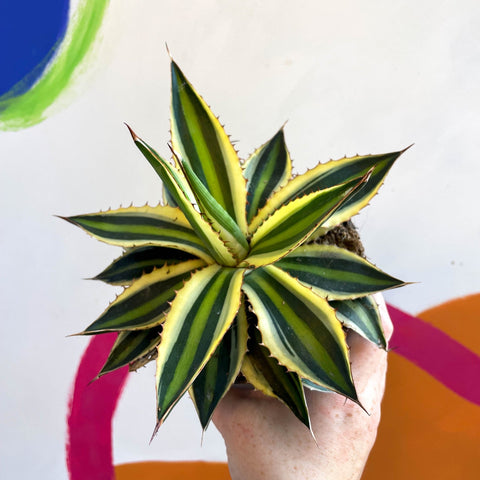
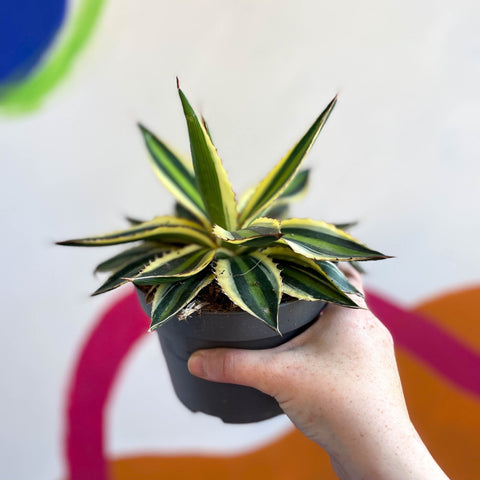
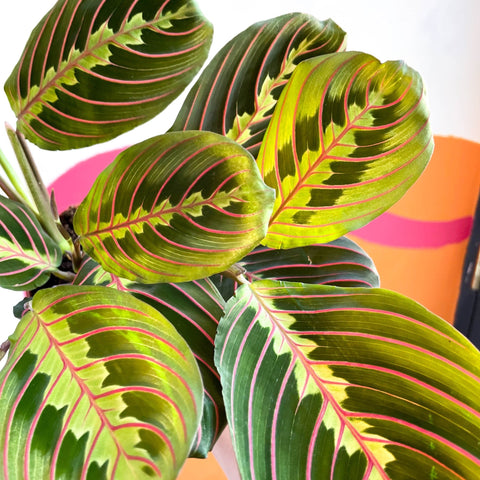
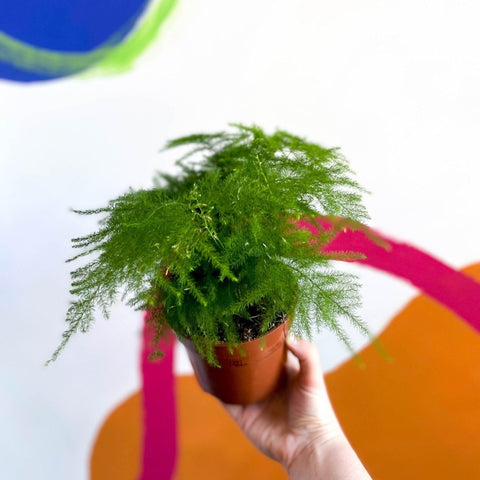
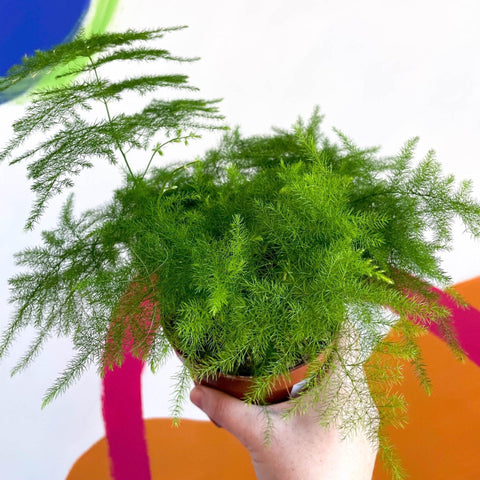
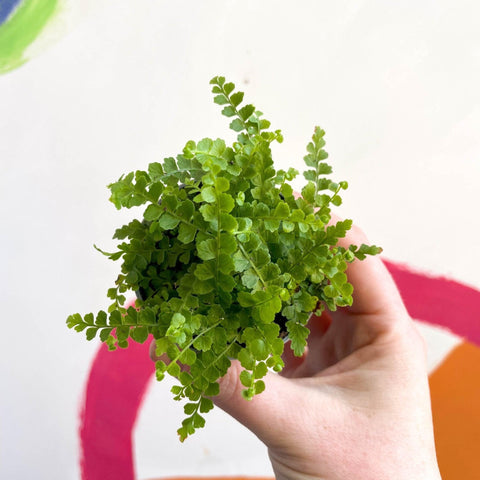
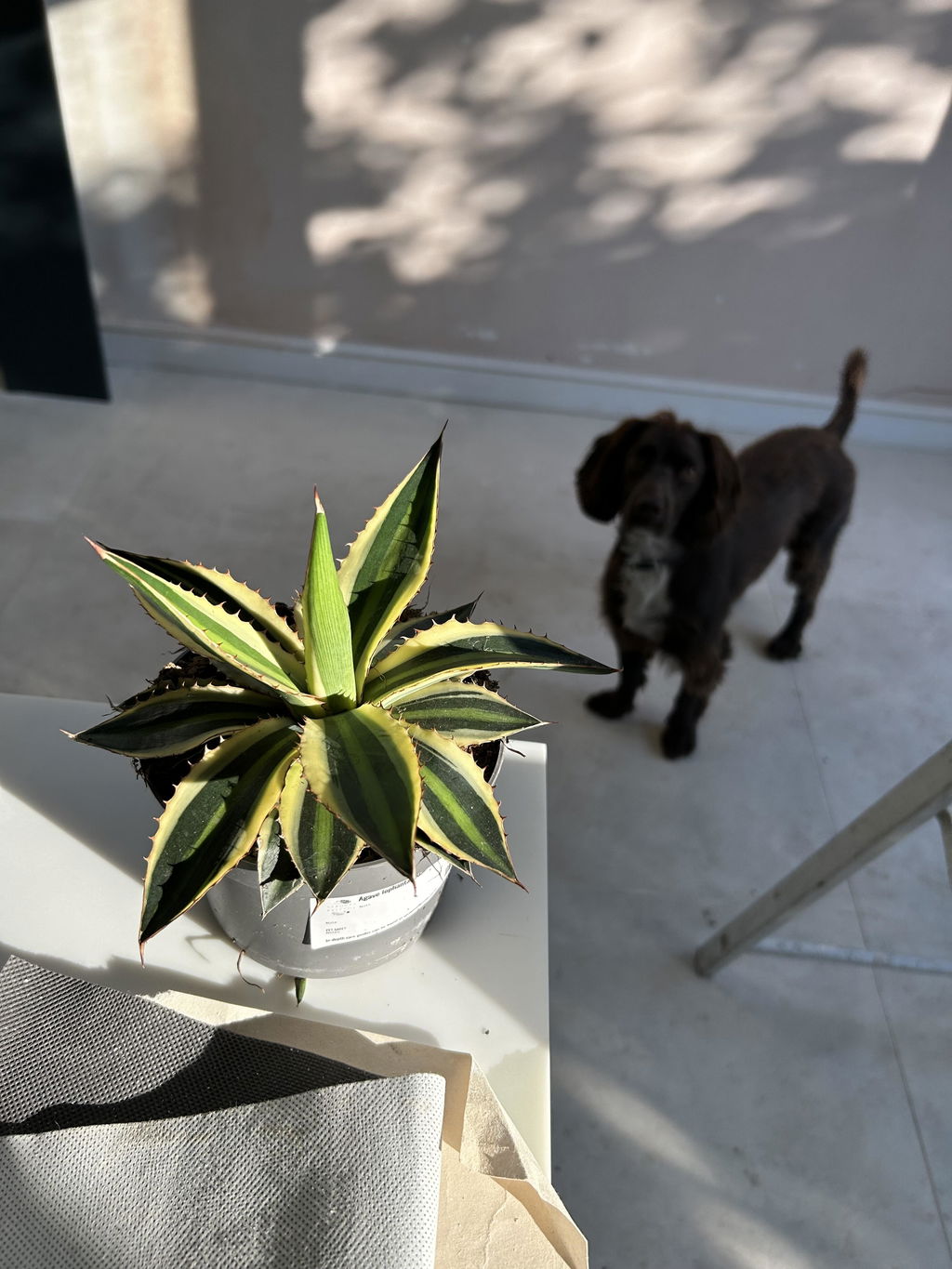
Las hojas anchas y carnosas de esta Agave llaman la atención por sus coloridas rayas. Cada hoja tiene un centro verde pálido y fresco, con un verde bosque más profundo y luego un verde más pálido y amarillo crema en el borde de las hojas. Las hojas también están bordeadas por espinas afiladas, ¡así que ten cuidado con tus dedos! Estas suculentas son muy resistentes a la sequía, ya que se han adaptado para crecer en algunos de los lugares más secos de la tierra, y almacenan el agua en sus hojas. Asegúrate de no regar demasiado esta planta; si esperas hasta que sus hojas estén arrugadas y menos firmes, sabrás que la planta está lista para beber.
Nombre Científico
Agave univittata 'Quadricolour' (planta ilustre con una raya, variedad: Quadricolor)
Agave lophantha es un sinónimo de la especie Agave univittata. La A. univittata fue nombrada primero, y las dos se descubrieron más tarde como la misma especie.
Nombre Común
Agave Rayada, Planta del Siglo Cuadricolor
Origen
Esta Agave es nativa de México y el suroeste de los Estados Unidos.
Luz
A esta planta le encanta el sol, así que asegúrate de que esté en un lugar con luz brillante, preferiblemente directa. ¡Incluso puede ir al aire libre en un lugar soleado en verano!
Agua
Deja que la tierra se seque completamente entre riegos; esto será al menos una semana en verano, y más tiempo en invierno.
Humedad
Esta planta está adaptada a ambientes áridos, ¡así que no la mantengas en un lugar demasiado húmedo! Sin embargo, rociarla de vez en cuando ayudará a mantener sus hojas libres de polvo.
Suelo
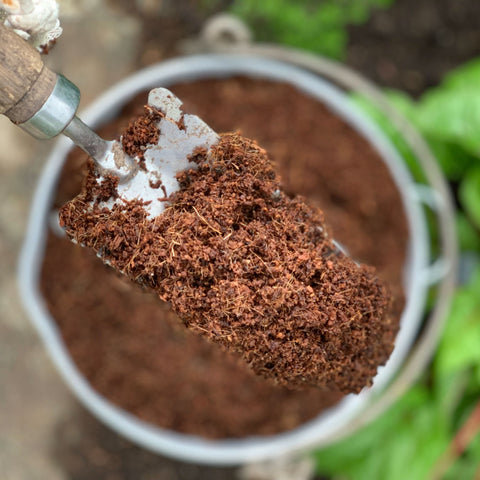
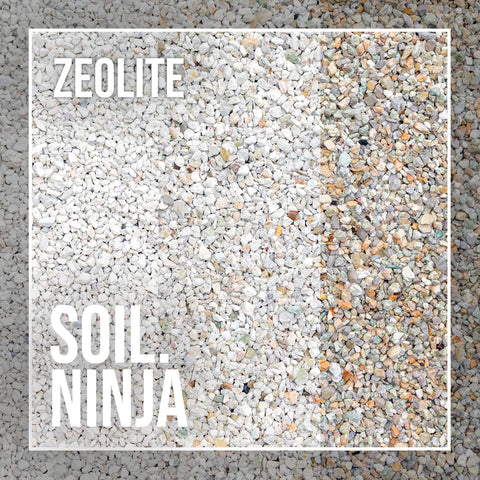
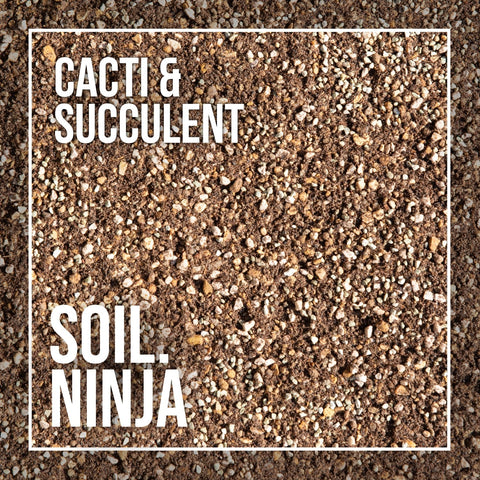
Usa una mezcla de tierra que drene bien; una con arena y gravilla añadidas, como una tierra diseñada para cactus y suculentas, funcionará bien aquí. Trasplanta cada dos o tres años en primavera; las Agaves están felices de estar enraizadas en la maceta, incluso con los hijuelos creciendo justo al lado de la planta madre, así que solo trasplanta si es absolutamente necesario, o si estás separando los hijuelos.
Alimento
Fertiliza cada dos meses durante todo el año con un fertilizante débil o específico para cactus.
Temperatura
Idealmente, le gustan temperaturas de 18-25°C en verano. Esta planta puede cultivarse al aire libre la mayor parte del año en suelo bien drenado, y puede soportar temperaturas de hasta -3°C; en la mayoría de las áreas necesitará protección invernal para que no se congele por completo.
Apto para mascotas
No, esta planta puede causar vómitos y diarrea en perros si se ingieren grandes cantidades.
Consejos Principales de Sprouts
El problema más común con las Agaves es el exceso de riego, así que asegúrate de dejarle suficiente tiempo para que se seque completamente entre riegos. Si el tallo de tu planta comienza a sentirse blando y a verse amarillo, ¡necesita secarse de inmediato! Si está pálida en el centro y el crecimiento está deformado, dale más luz; necesita al menos una hora de sol directo al día, especialmente en invierno.
¿Sabías qué?
En México, las Agaves se utilizan para hacer mezcal, ¡y casi cualquier tipo puede ser utilizado!