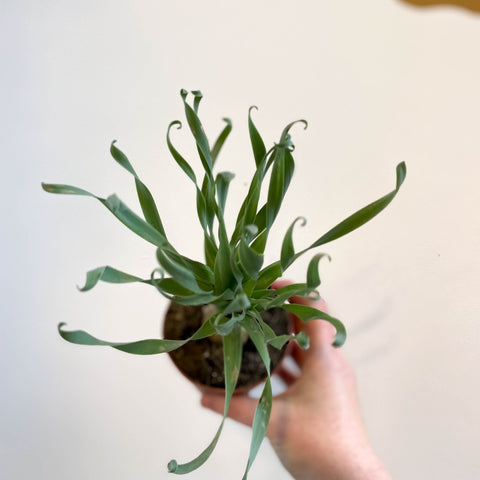
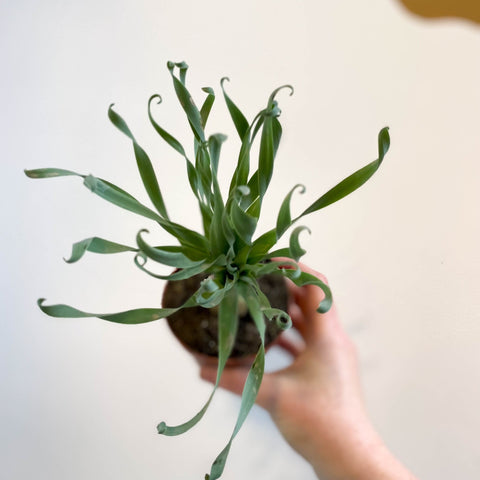
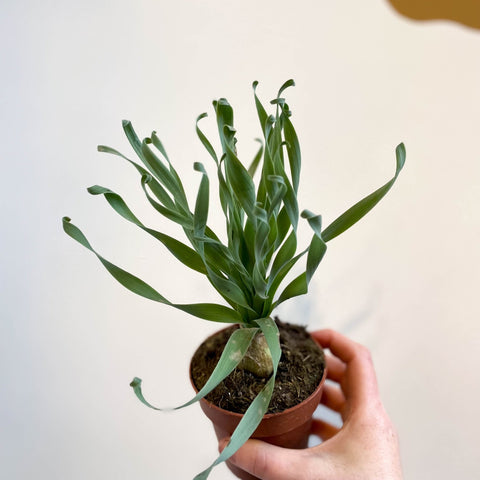
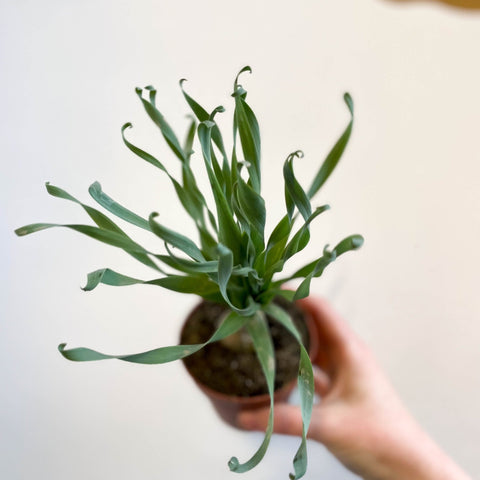
La Azucena de Fuego destaca en cualquier colección de plantas de interior gracias a su follaje en espiral y, cuando florece, a sus flores tubulares de color rojo brillante. Las flores, en tonos rojo anaranjado fuego, le dan su nombre común, pero incluso cuando no está en flor, esta planta es llamativa. Sus hojas se enroscan hacia arriba desde el rizoma central, una estructura similar a un bulbo, en delgadas espirales de color verde plateado. Mantén esta planta feliz con mucha luz pero poco sol, y no demasiada agua, y te recompensará con un follaje verdaderamente único e incluso, cuando esté realmente feliz, con brillantes flores.
Nombre científico
Cyrtanthus spiralis (planta de flores curvadas en espiral)
Sinónimos: Gastronema spirale, Monella spiralis
El nombre de esta especie se publicó por primera vez en 1817 y sigue siendo el nombre aceptado.
Nombres comunes
Azucena de Fuego, Lirio en Espiral, Amarilis, Cyrtanthus de Hojas en Espiral
Origen
Originaria de Sudáfrica, se encuentra particularmente en las Provincias del Cabo subtropicales.
Luz
Prospera con luz brillante e indirecta. Aunque puede tolerar algo de luz solar directa, demasiada puede quemar las hojas. Busca una luz brillante con un máximo de dos horas de sol más débil por la mañana o por la tarde.
Agua
Mantén la tierra moderadamente húmeda, permitiendo que la mitad superior se seque entre riegos. Durante la temporada de crecimiento, asegúrate de regar la planta regularmente, pero reduce el riego en invierno.
Humedad
La humedad promedio del hogar debería ser suficiente, pero si notas que sus hojas se vuelven crujientes y marrones en los bordes, se beneficiará de una bandeja de guijarros para aumentar la humedad local.
Tierra
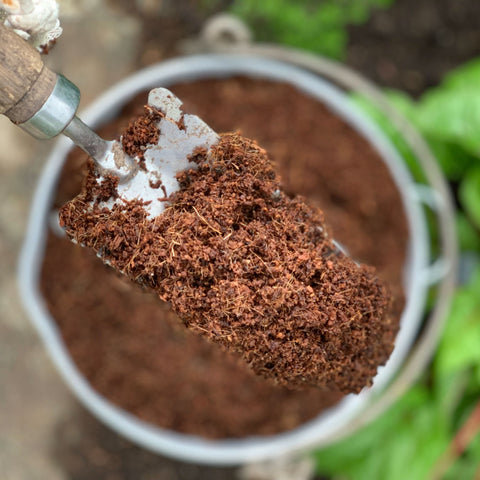
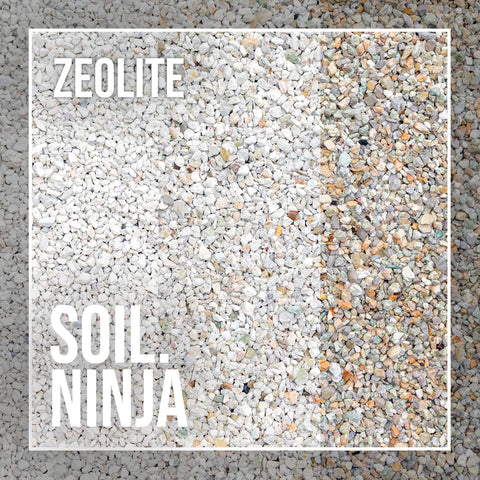
Usa una mezcla para macetas que drene bien, con elementos como arena y zeolita, y algunos elementos como fibra de coco para retener la humedad. Una mezcla diseñada para helechos funcionará bien aquí. Trasplanta en primavera cada pocos años o cuando las raíces hayan llenado la maceta.
Abono
Abona cada cuatro riegos en primavera y verano, reduce a cada seis en otoño e invierno.
Temperatura
Las temperaturas óptimas oscilan entre 15 y 25°C. No dejes que baje de 10°C en invierno.
Seguridad para mascotas
Sí, esta planta no es tóxica para las mascotas, lo que la convierte en una opción segura para hogares con animales.
Consejos de Sprout
Para fomentar la floración, proporciona mucha luz y evita el hacinamiento en las macetas. Después de la floración, permite que el follaje muera naturalmente para nutrir el bulbo para el crecimiento del próximo año.