Epipremnum aureum ‘Shangri La’
Compre con confianza
Todo lo que hacemos está diseñado para que su pedido le llegue de forma segura y satisfactoria.
🌿 Empaquetado con cuidado en Bristol, Reino Unido
⭐ Amado por miles de clientes satisfechos de Sprouts
📦 Entrega con seguimiento de Royal Mail
💚 Empresa independiente y empleador que paga el salario digno real
Si su planta llega dañada o en mal estado, lo solucionaremos. Obtenga más información aquí
Cada planta es cuidadosamente embalada por nuestro pequeño equipo de amantes de las plantas de Bristol, utilizando embalajes protectores, en su mayoría libres de plástico.
Ocasionalmente, es posible que encuentre plástico de burbujas reutilizado; esto nos ha sido donado y le animamos a que lo reutilice también.
Los pedidos suelen embalarse y enviarse en un plazo de 2 a 4 días laborables. Ocasionalmente, podemos retrasar el envío durante períodos de clima extremo para proteger sus plantas. Siempre priorizamos la salud de las plantas sobre la velocidad de entrega.
El envío cuesta 4,99 £ para cualquier número de artículos, o es gratuito en pedidos superiores a 60 £. Solo realizamos envíos a todo el Reino Unido.
También ofrecemos entrega local en bicicleta en Bristol por 4,99 £ a través de Pedal Collective, una opción más suave para las plantas y el planeta.
Creemos en pagar a las personas de manera justa, por eso hemos sido un Empleador con Salario Digno Real desde el principio. Somos una empresa independiente de Bristol y empaquetamos cada pedido nosotros mismos.
Apoyarnos significa apoyar el trabajo justo.
¿Preguntas antes de realizar el pedido? Solo envíanos un mensaje, siempre estaremos encantados de ayudarte.
Dirígete a nuestra página de contacto y rellena el formulario de contacto y uno de los miembros del equipo se pondrá en contacto contigo en breve.
La Pothos Shangri La es una versión excéntrica de la clásica pothos dorada. Sus hojas distintivamente rizadas y retorcidas crean un aspecto inusual y escultural. Tiene algunas de las variegaciones verde-doradas, pero es la textura de sus hojas lo que realmente hace que este cultivar destaque. Cada hoja se riza hacia adentro, con crestas en el follaje que crean una textura contorneada en toda la planta. Esta planta de interior única es muy adecuada para espacios interiores donde puede prosperar con un mínimo esfuerzo, lo que la convierte en una de las favoritas tanto para los entusiastas de las plantas nuevos como para los experimentados.
Nombre científico
Epipremnum aureum 'Shangri La' (planta dorada que crece en la base de un árbol, cultivar: Shangri La)
Sinónimos: Pothos aureus, Rhaphidophora aurea, Scindapsus aureus
Esta planta fue descrita por primera vez como una Pothos, y posteriormente reclasificada como Rhaphidophora aurea y Scindapsus aureus antes de establecerse en el nombre científico actual: Epipremnum aureum.
Nombre común
Pothos Shangri La, Pothos durmiente, Pothos espinaca, Hiedra del Diablo 'Shangri La', Pothos Godzilla, Pothos Javelin
Origen
Nativa de las Islas de la Sociedad, especialmente Mo'orea (Polinesia Francesa, en el Pacífico Sur), donde crece en el bioma tropical húmedo.
Luz
Prefiere luz brillante e indirecta para mantener un color de hoja vibrante y un crecimiento saludable. Puede tolerar condiciones de poca luz, pero el crecimiento será más lento y las hojas pueden perder parte de su intensidad. Evite la luz solar directa, ya que puede quemar las hojas.
Agua
Deje que la pulgada superior de la tierra se seque entre riegos. Riegue a fondo, pero asegúrese de que la maceta tenga buen drenaje para evitar el encharcamiento. Esta planta es algo tolerante a la sequía, por lo que es mejor dejarla secar un poco que mantenerla demasiado húmeda.
Humedad
Se adapta bien a los niveles de humedad domésticos típicos; asegúrese de mantenerla alejada de los radiadores en funcionamiento, especialmente en invierno.
Tierra
Una mezcla para macetas con buen drenaje y gruesa funciona mejor. Una mezcla diseñada para Monstera o Filodendros también funcionará bien con las plantas Pothos. Trasplante cada 2-3 años para renovar la tierra y permitir un crecimiento saludable de las raíces.
Alimento
Fertilice una vez al mes durante la temporada de crecimiento (primavera a principios de otoño) con un fertilizante soluble en agua equilibrado. Reduzca o detenga la fertilización en invierno; demasiada fertilización puede provocar un crecimiento alargado sin muchas hojas.
Temperatura
Temperaturas promedio de 18-30°C están bien; asegúrese de que no baje de 12°C en invierno.
¿Seguro para mascotas?
No, esta planta es tóxica para mascotas y niños pequeños.
Consejos principales de Sprouts
Las hojas de la Pothos Shangri La a veces pueden retorcerse más con poca luz, pero para un mejor crecimiento y forma de la hoja, colóquela en un lugar con luz brillante e indirecta. Si las hojas comienzan a ponerse amarillas (y no como resultado de su variegación natural), la planta puede estar recibiendo demasiada agua; intente dejar que la tierra se seque más entre riegos. Para una apariencia más completa, pode ocasionalmente y replante las enredaderas más largas para fomentar un crecimiento más tupido.
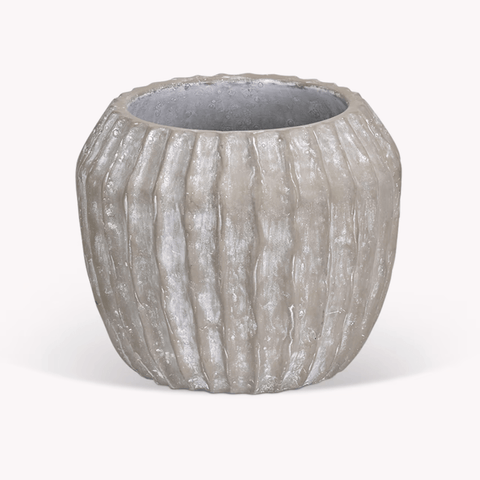
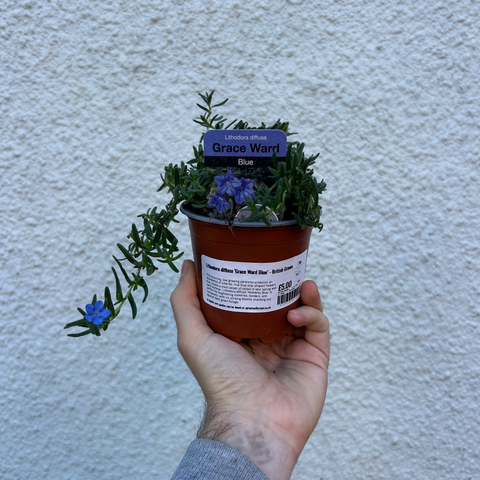
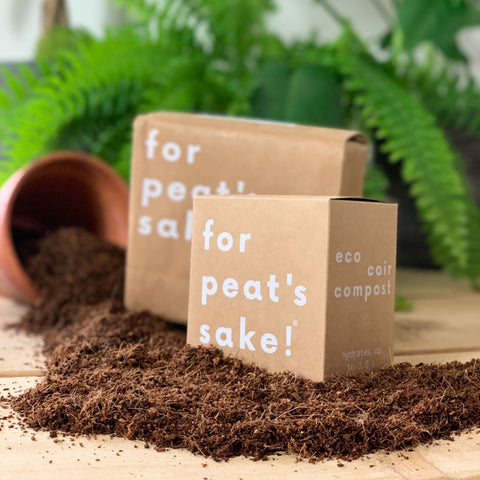
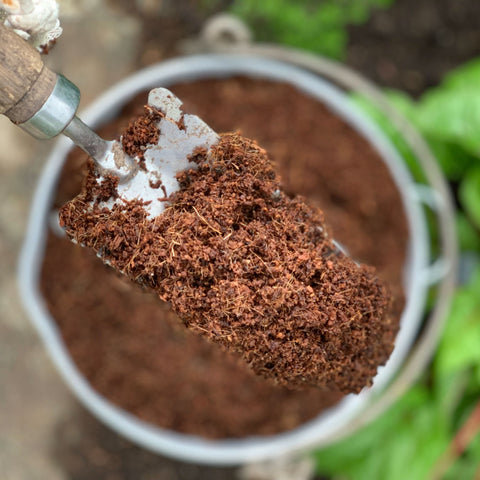
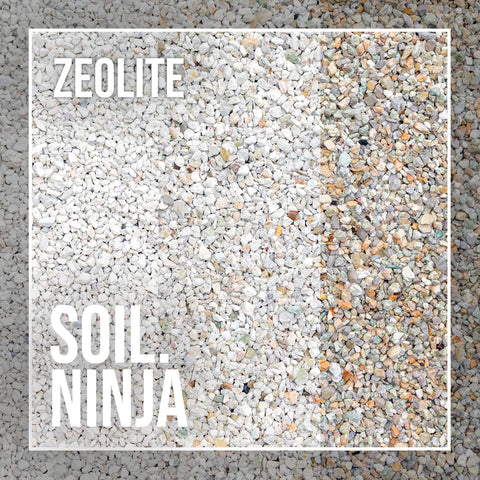
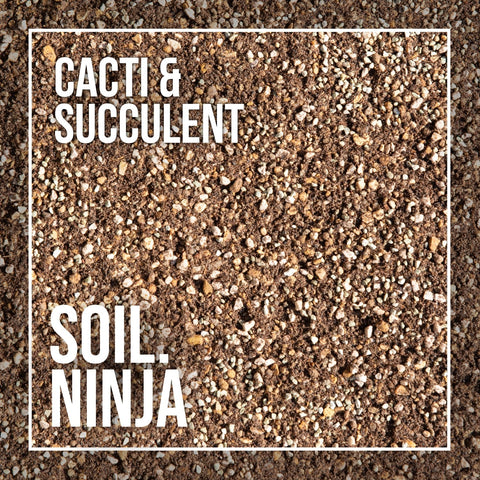
Añadir maceta y elementos esenciales para el cuidado
La mayoría de los clientes añaden una maceta o tierra al comprar esta planta.










Consulta el blog de The Sprouts
Ofrece información sobre plantas de interior, jardinería, nuestras marcas favoritas y estudios de caso de alquiler de plantas.