Huernia pendula - Flor carroñera
Compre con confianza
Todo lo que hacemos está diseñado para que su pedido le llegue de forma segura y satisfactoria.
🌿 Empaquetado con cuidado en Bristol, Reino Unido
⭐ Amado por miles de clientes satisfechos de Sprouts
📦 Entrega con seguimiento de Royal Mail
💚 Empresa independiente y empleador que paga el salario digno real
Si su planta llega dañada o en mal estado, lo solucionaremos. Obtenga más información aquí
Cada planta es cuidadosamente embalada por nuestro pequeño equipo de amantes de las plantas de Bristol, utilizando embalajes protectores, en su mayoría libres de plástico.
Ocasionalmente, es posible que encuentre plástico de burbujas reutilizado; esto nos ha sido donado y le animamos a que lo reutilice también.
Los pedidos suelen embalarse y enviarse en un plazo de 2 a 4 días laborables. Ocasionalmente, podemos retrasar el envío durante períodos de clima extremo para proteger sus plantas. Siempre priorizamos la salud de las plantas sobre la velocidad de entrega.
El envío cuesta 4,99 £ para cualquier número de artículos, o es gratuito en pedidos superiores a 60 £. Solo realizamos envíos a todo el Reino Unido.
También ofrecemos entrega local en bicicleta en Bristol por 4,99 £ a través de Pedal Collective, una opción más suave para las plantas y el planeta.
Creemos en pagar a las personas de manera justa, por eso hemos sido un Empleador con Salario Digno Real desde el principio. Somos una empresa independiente de Bristol y empaquetamos cada pedido nosotros mismos.
Apoyarnos significa apoyar el trabajo justo.
¿Preguntas antes de realizar el pedido? Solo envíanos un mensaje, siempre estaremos encantados de ayudarte.
Dirígete a nuestra página de contacto y rellena el formulario de contacto y uno de los miembros del equipo se pondrá en contacto contigo en breve.
El aspecto inusual de esta suculenta la ayuda a destacar incluso entre la colección de suculentas más variada. Sus delgados tallos crecen por el borde de la maceta, colgando y extendiéndose todo lo que pueden. Los tallos pasan de verde plateado a morado en las puntas, con pequeñas espinas a los lados y más pronunciadas en los extremos. Si está realmente contenta, este llamativo aspecto puede verse aún más realzado por una floración de flores de color rojo burdeos oscuro en verano. Perfecta si buscas algo para colgar en una ventana luminosa, a esta suculenta poco exigente le encantará un poco de sol y riegos poco frecuentes.
Nombre científico
Huernia pendula (planta colgante de Heurnius)
Sinónimos: Ceropegia pendula
Esta planta fue nombrada por primera vez en 1951 y ha conservado el mismo nombre desde entonces. En un artículo de 2017 se la menciona como Ceropegia pendula, pero actualmente Huernia pendula sigue siendo el nombre aceptado.
Nombre(s) común(es)
Huernia de cordones, Flor de carroña, Huernia péndula
Origen
Nativa de las áridas y rocosas provincias del Cabo de Sudáfrica
Luz
Tu Huernia disfrutará de un lugar luminoso y crece mejor con un poco de sol directo. Una ventana orientada al este o al oeste funcionará bien aquí.
Agua
Deja que la tierra se seque completamente entre riegos. Riega con moderación, ya que esta suculenta es muy tolerante a la sequía. Demasiada agua y tierra empapada pueden provocar la pudrición de las raíces. Reduce el riego durante la dormancia invernal.
Humedad
Prospera en ambientes de baja humedad y condiciones secas. Asegúrate de no mantenerla en ningún lugar particularmente húmedo.
Tierra
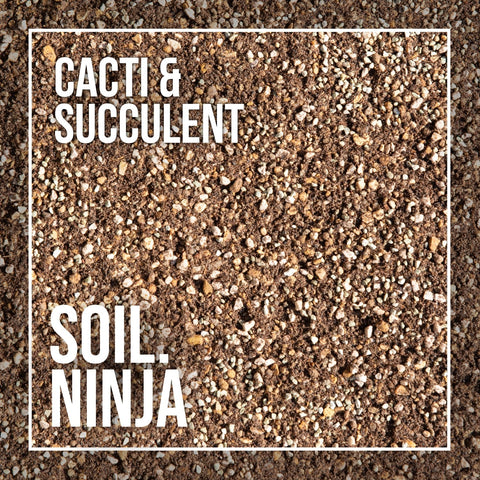
Usa una tierra para cactus o suculentas con buen drenaje; una mezcla con arena o grava añadida funcionará bien. Asegúrate de que tu maceta tenga orificios de drenaje. Trasplanta cada pocos años a medida que la planta crezca; sabrás que está lista para ser trasplantada cuando las raíces estén llenando la maceta.
Alimento
Fertiliza cada dos meses durante la temporada de crecimiento (primavera y verano) con un fertilizante diluido para cactus o suculentas. No es necesario fertilizar en otoño e invierno.
Temperatura
Las temperaturas ideales están entre 18 y 26 °C. Protégela de las heladas y evita la exposición a temperaturas inferiores a 10 °C.
Segura para mascotas
Sí, esta planta no es tóxica para las mascotas, por lo que es una opción segura para hogares con animales.
Consejos principales de Sprouts
Un gran riesgo para esta planta es darle demasiada agua; asegúrate de que la tierra se haya secado completamente antes de volver a regar y esto ayudará a mantenerla feliz.
Los tallos deben colgar un poco, así que no te preocupes si no están erguidos. Se verán mejor en una estantería o en una maceta colgante donde se puedan lucir sus tallos colgantes.
Extras
Las flores de Huernia pendula emiten un débil aroma similar al de la carroña, lo que ayuda a atraer moscas polinizadoras. Sin embargo, el olor es suave en interiores, ¡así que no te desanimes!
¿Sabías que?
El género Huernia fue nombrado por Robert Brown en honor al misionero holandés Justin Heurnius, el primer recolector conocido de plantas del Cabo de Buena Esperanza. Fue Brown quien originó la falta de ortografía de su nombre, y se mantuvo.
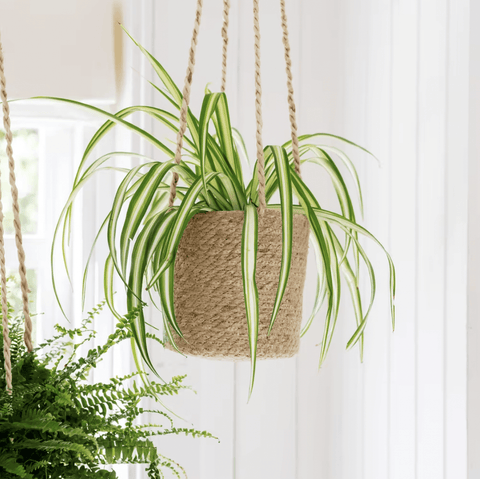
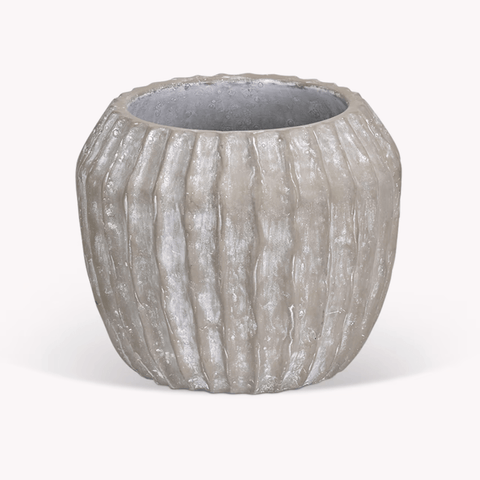
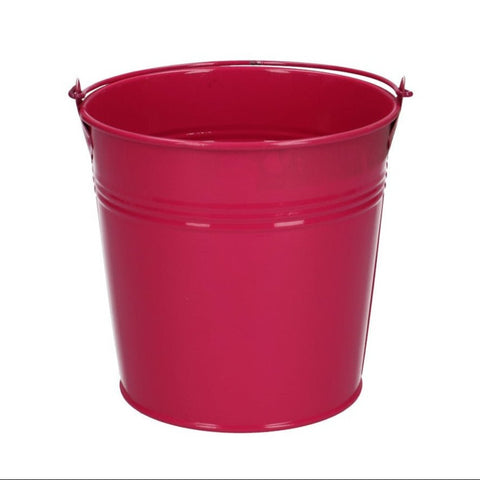
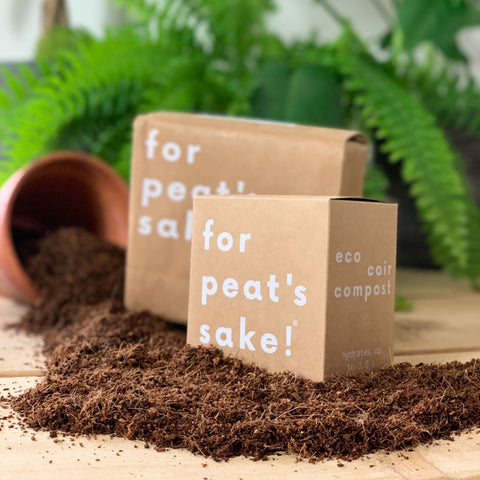
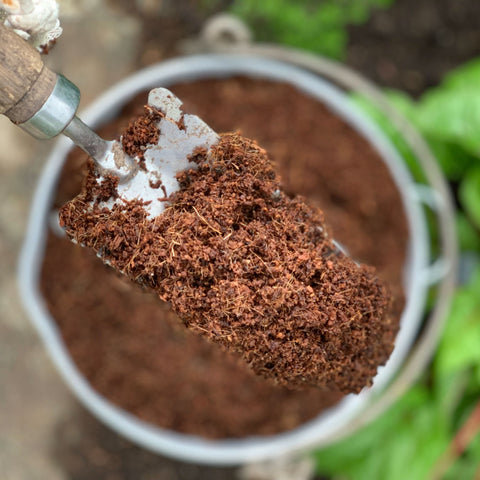
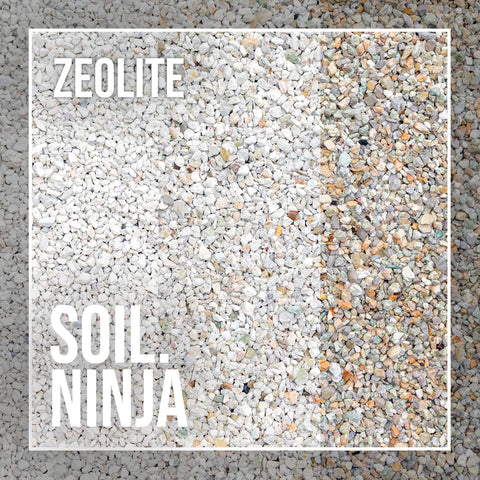
Añadir maceta y elementos esenciales para el cuidado
La mayoría de los clientes añaden una maceta o tierra al comprar esta planta.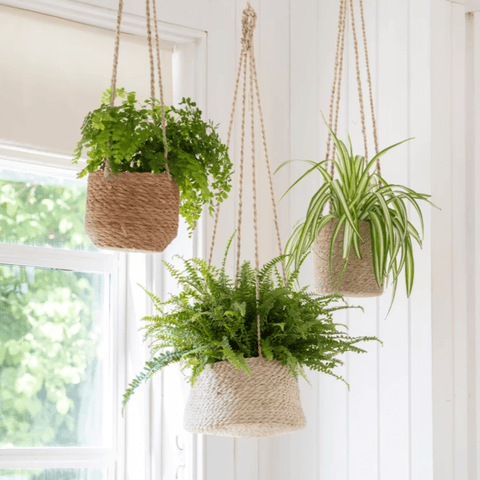







Consulta el blog de The Sprouts
Ofrece información sobre plantas de interior, jardinería, nuestras marcas favoritas y estudios de caso de alquiler de plantas.