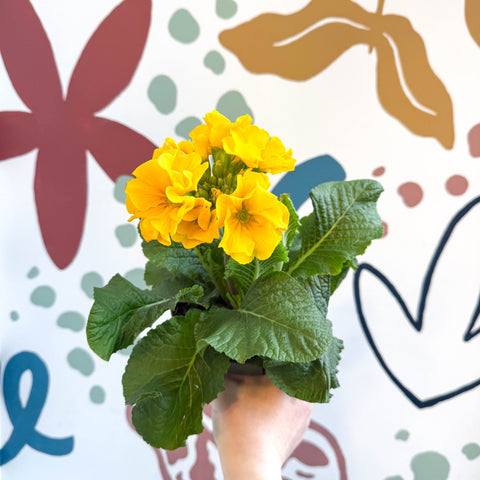
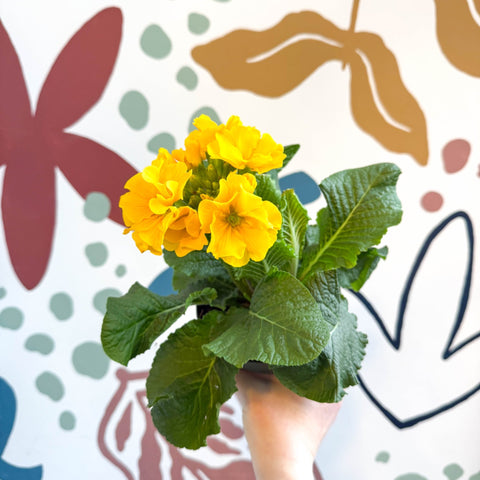
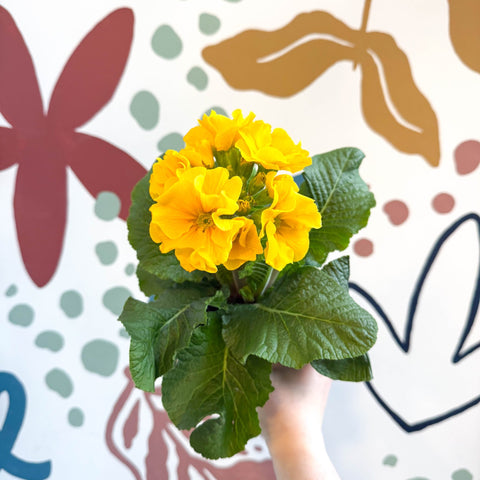
Estas flores perennes florecen a partir de una roseta de exuberantes hojas verdes, con racimos de flores amarillas de ojo oscuro en la parte superior. Resistente en todo el Reino Unido hasta -20°C.
Lleve las flores de primavera y el exuberante follaje a su jardín con este pariente de la prímula. Racimos de flores de Primula elatior (prímula mayor) florecen sobre tallos altos, sus flores de color amarillo brillante con "ojos" centrales oscuros miran todas en la misma dirección a medida que se abren. Estas flores apreciarán un poco de sol y mucha humedad, y son una alegre salpicadura de color a principios de año.
Planta perenne semiperenne
|
Flor, formando matas
|
Flores de primavera, follaje todo el año.
|
Nombre científico
Primula elatior (prímula mayor)
Nombre común
Primula elatior, prímula mayor verdadera
Origen
Nativa de gran parte de Europa, incluido el Reino Unido, y partes de Asia y el Cercano Oriente
Consejos de poda
No requiere poda; puede dejar que las flores se marchiten de forma natural hacia el final de la primavera y disfrutar del follaje todo el año.
Valor para la vida silvestre
Proporciona alimento temprano para polinizadores como abejas, mariposas y polillas.
Posicionamiento
Contenta con pleno sol o sombra parcial, asegúrese de que sus Primula elatior estén protegidas del viento fuerte.
Agua
Le gusta el suelo bastante húmedo cuando está en flor, pero no le gusta estar empapada o sentada en un charco. Asegúrese de que el suelo drene bien y no tendrá que preocuparse por regar extra excepto en condiciones de sequía.
Suelo
Asegúrese de que el suelo esté bien drenado y sea moderadamente fértil para mantener su Primula elatior contenta.
Alimento
Generalmente estará bien siempre que haya algunos nutrientes en el suelo. Se beneficiarán de un acolchado anual de compost o un fertilizante rico en potasio (por ejemplo, fertilizante para tomates) para potenciar su tiempo de floración.
Seguro para mascotas
No, esta planta es tóxica para gatos, perros y caballos.
Los mejores consejos de Sprouts
Un acolchado anual es una excelente manera de bajo esfuerzo para mantener sus Primula elatior contentas y alimentadas.
Para que se vean geniales, plante en racimos e intercale con otras flores de primavera.
Extras
Esta planta ha recibido el prestigioso Premio al Mérito en el Jardín de la RHS por su excelente desempeño general en el jardín.