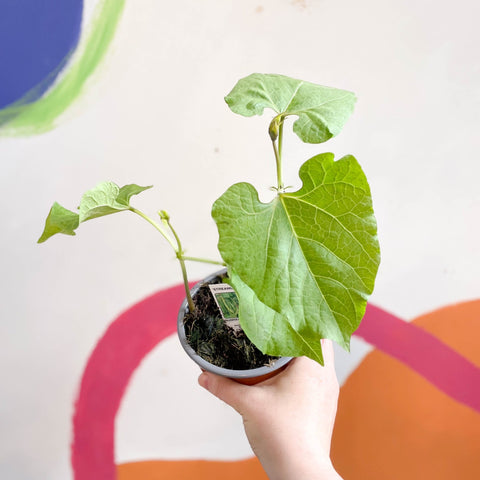
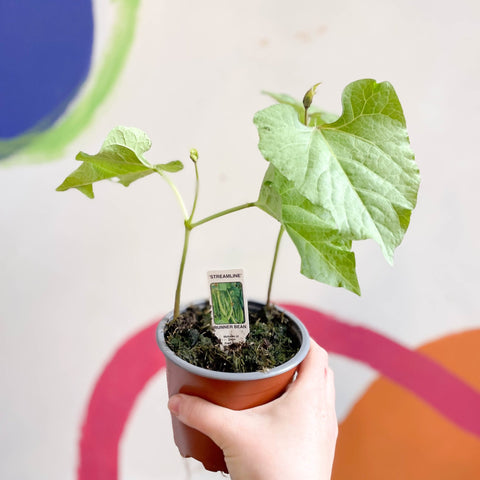
Phaseolus coccineus 'Streamline' - Judía escarlata [Cultivo británico]
Compre con confianza
Todo lo que hacemos está diseñado para que su pedido le llegue de forma segura y satisfactoria.
🌿 Empaquetado con cuidado en Bristol, Reino Unido
⭐ Amado por miles de clientes satisfechos de Sprouts
📦 Entrega con seguimiento de Royal Mail
💚 Empresa independiente y empleador que paga el salario digno real
Si su planta llega dañada o en mal estado, lo solucionaremos. Obtenga más información aquí
Cada planta es cuidadosamente embalada por nuestro pequeño equipo de amantes de las plantas de Bristol, utilizando embalajes protectores, en su mayoría libres de plástico.
Ocasionalmente, es posible que encuentre plástico de burbujas reutilizado; esto nos ha sido donado y le animamos a que lo reutilice también.
Los pedidos suelen embalarse y enviarse en un plazo de 2 a 4 días laborables. Ocasionalmente, podemos retrasar el envío durante períodos de clima extremo para proteger sus plantas. Siempre priorizamos la salud de las plantas sobre la velocidad de entrega.
El envío cuesta 4,99 £ para cualquier número de artículos, o es gratuito en pedidos superiores a 60 £. Solo realizamos envíos a todo el Reino Unido.
También ofrecemos entrega local en bicicleta en Bristol por 4,99 £ a través de Pedal Collective, una opción más suave para las plantas y el planeta.
Creemos en pagar a las personas de manera justa, por eso hemos sido un Empleador con Salario Digno Real desde el principio. Somos una empresa independiente de Bristol y empaquetamos cada pedido nosotros mismos.
Apoyarnos significa apoyar el trabajo justo.
¿Preguntas antes de realizar el pedido? Solo envíanos un mensaje, siempre estaremos encantados de ayudarte.
Dirígete a nuestra página de contacto y rellena el formulario de contacto y uno de los miembros del equipo se pondrá en contacto contigo en breve.
Una planta de legumbres que produce una gran cosecha de judías para su cocina. Semirresistente en el Reino Unido, aquí suelen cultivarse como planta anual.
¡Cultive sus propias judías con esta variedad popular y de cosecha abundante! Las plantas también son bonitas a la vista, con un hermoso follaje y fragantes flores escarlata en verano. Una vez establecidas, solo necesitan un poco de agua adicional en épocas de sequía para que estén contentas y, a cambio, le darán muchas verduras y belleza. Crecen altas, por lo que es una buena idea darles un soporte o una red; puede comer las judías crudas directamente de la planta, cocinadas en sopas o de cualquier otra forma; ¡incluso las flores son comestibles! También se mantienen frescas en la planta más tiempo que muchas otras variedades. Debido a sus raíces poco profundas, ¡también se pueden cultivar en macetas! Solo recuerde esperar a que el riesgo de heladas haya pasado por completo antes de plantarlas al aire libre.
|
Anual |
Hortaliza: Planta trepadora |
Cosecha de agosto a septiembre; follaje de primavera a otoño, flores de finales de primavera a principios de verano. |
Nombre científico
Phaseolus coccineus (judía roja) 'Streamline'
Nombre común
Judía escarlata, judía de enrame
Origen
Nativa de zonas más frías y de gran altitud en el centro y norte de Sudamérica
Consejos de poda
Es una buena idea cultivarlas con un soporte; pode los brotes que crecen por encima para estimular los brotes laterales más abajo. ¡Y no olvide cosechar las judías! Esto estimulará un mayor crecimiento y, además, le llenará el plato. Recoja las vainas cuando estén jóvenes, tiernas y sin hebras, y coseche cada pocos días para asegurarse de hacerlo en el momento adecuado. Si deja que las vainas maduren demasiado, la planta dejará de producir nuevos frutos.
Valor para la vida silvestre
Las flores de esta planta son polinizadas por abejas melíferas y abejorros de lengua larga.
Posición
Dele a esta planta un lugar soleado y protegido para que prospere al máximo.
Agua
Esta planta tiene raíces poco profundas, por lo que necesita agua un par de veces a la semana; en tiempo seco, ¡asegúrese de aumentar el riego!
Tierra
Una tierra que retenga la humedad es perfecta para las judías. Para obtener mejores resultados, incorpore abundante compost fresco al suelo un par de semanas antes de la siembra. El suelo alcalino dará los mejores resultados.
Alimento
Labre y añada abundante compost fresco antes de plantar para asegurar suficientes nutrientes en el suelo. Añada una capa de mantillo en julio para ayudar a mantener la humedad del suelo.
Seguro para mascotas
No; las judías de enrame son tóxicas para los gatos y pueden ser perjudiciales para otras mascotas también. ¡Sin embargo, son comestibles para los humanos!
Consejos clave de Sprouts
Estas plantas han sido cultivadas a partir de semillas en interiores, así que continúe cultivándolas en un lugar interior luminoso y cálido hasta que el riesgo de heladas haya pasado por completo (aquí en Bristol, esto es a finales de mayo); después de eso, les irá mejor en el suelo o en un recipiente grande, en un lugar protegido y soleado. Tienen raíces poco profundas, así que asegúrese de que reciban agua adicional en periodos secos.
Extras
Las judías de enrame obtienen nitrógeno del aire, por lo que incluso después de la cosecha, el suelo tendrá mucho nitrógeno restante.
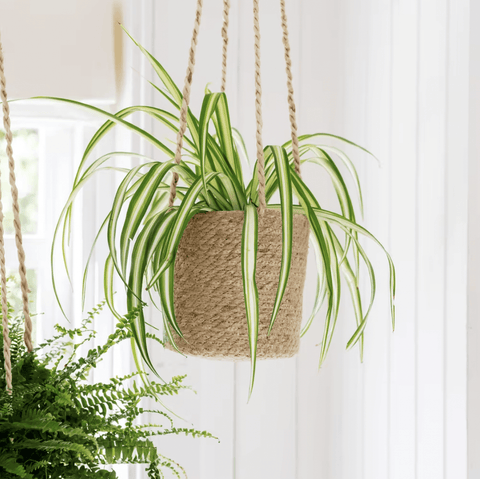
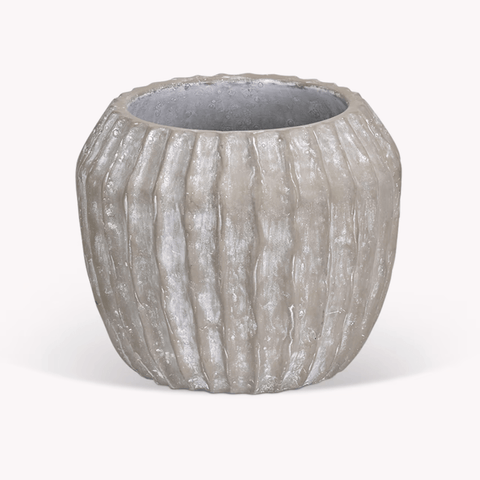
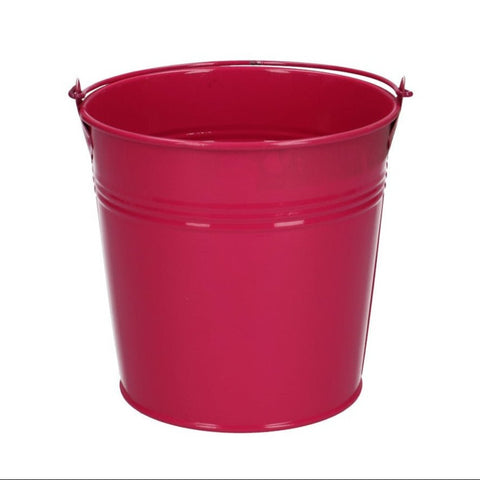
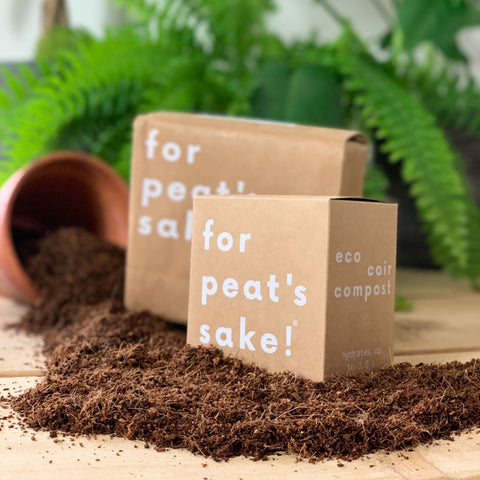
Añadir maceta y elementos esenciales para el cuidado
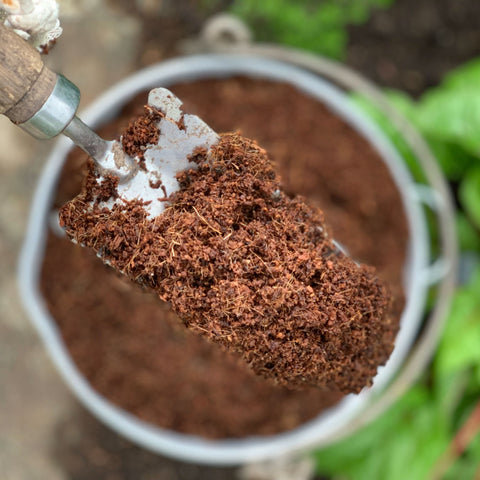
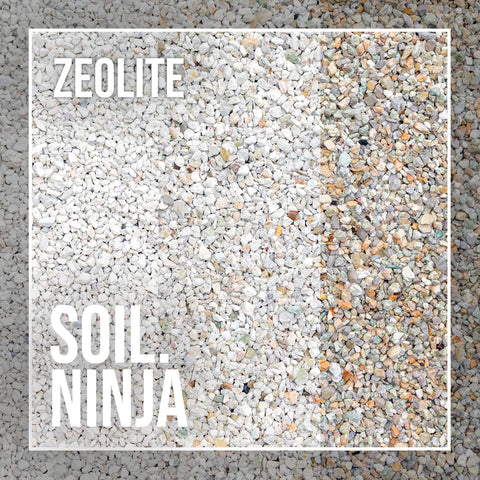
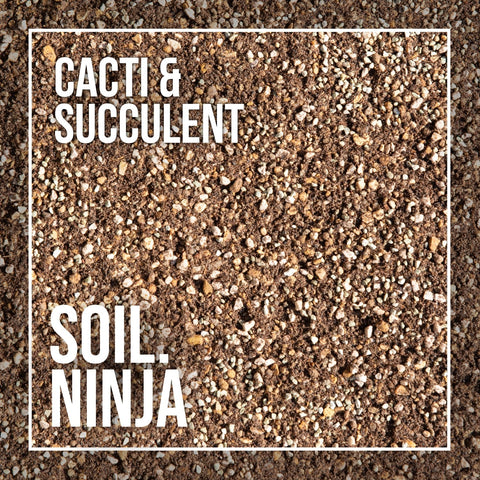
La mayoría de los clientes añaden una maceta o tierra al comprar esta planta.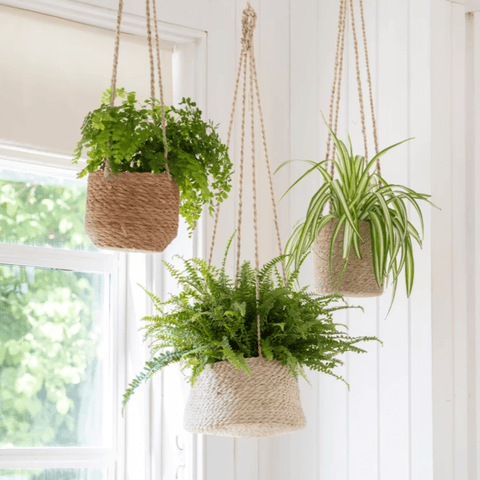







Consulta el blog de The Sprouts
Ofrece información sobre plantas de interior, jardinería, nuestras marcas favoritas y estudios de caso de alquiler de plantas.