La planta serpiente Pagoda Bird's Nest es un cultivar llamativo e inusual cuyas hojas de borde amarillo se abren en una elegante roseta de follaje robusto y escultural. Perfecta para añadir estructura a la exhibición de tus plantas de interior, esta planta serpiente también es muy fácil de cuidar, adaptándose bien a diferentes niveles de luz y contenta con un riego y una atención mínimos. El regalo ideal para un principiante en el mundo de las plantas o un capricho fácil de cuidar para ti, esta impresionante suculenta se sentirá como en casa dondequiera que la tengas.
Nombre científico
Sansevieria trifasciata 'Pagoda Hahnii' (planta San Severo de triple banda, cultivar: Pagoda Hahn's)
Sinónimos: Dracaena trifasciata (nombre científico aceptado)
Esta planta ha cambiado de género; ahora forma parte del género Dracaena, y su nombre científico es Dracaena trifasciata
Nombres comunes
Planta serpiente nido de pájaro pagoda, planta serpiente abigarrada, planta serpiente nido de pájaro, nido de pájaro pagoda, lengua de suegra, lengua del diablo, lengua de serpiente, espada de San Jorge.
Origen
Originaria de África central y occidental, esta planta crece de forma natural en Camerún, República Centroafricana, Congo, Guinea Ecuatorial, Nigeria, Gabón, Tanzania y la República Democrática del Congo.
Luz
En cuanto a la luz, tu planta serpiente es fácil de cuidar: con poca luz, necesitará menos agua y crecerá más lentamente; también puede soportar algo de sol directo, lo que la ayudará a crecer más rápido y significará que necesitará agua con un poco más de frecuencia.
Agua
Asegúrate de que la tierra se seque completamente entre riegos; ten en cuenta que esto tardará más en zonas con poca luz y durante el invierno.
Humedad
Acostumbrada a climas áridos, tu planta serpiente prosperará mejor en ambientes de baja humedad. Puedes rociar las hojas ocasionalmente para mantenerlas libres de polvo, pero asegúrate de que se sequen completamente después.
Tierra
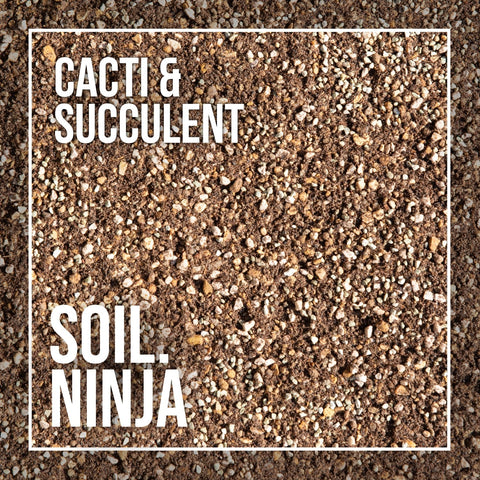
Utiliza una tierra con buen drenaje; una mezcla para cactus y suculentas (con arena y gravilla) funcionaría bien aquí. Para un impulso extra, también puedes mezclar corteza, lo que la planta agradecerá. Trasplanta cada tres años en primavera a medida que la planta crece. No le importa estar un tiempo enraizada, pero producirá más crecimiento nuevo cuando tenga más espacio.
Alimento
Fertiliza cada dos meses con un fertilizante diluido; uno diseñado para cactus o simplemente para plantas de interior en general funcionará bien. Asegúrate de regar primero para evitar quemar las raíces de la planta.
Temperatura
Las temperaturas entre 12 y 32 °C son excelentes; asegúrate de que no baje de 10 °C en invierno.
Segura para mascotas
No, esta planta es tóxica para mascotas y niños pequeños.
Consejos principales de Sprouts
Las plantas serpiente son excelentes para crecer en una variedad de niveles de luz, pero asegúrate de adaptar tanto tus expectativas como tu programa de riego al nivel de luz. Necesitarás regar más en un lugar luminoso, y la planta probablemente crecerá mejor también; en un lugar más oscuro, riega menos y espera un crecimiento más lento.