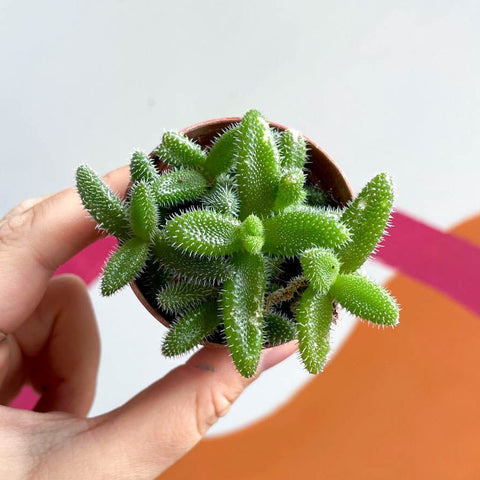


Delosperma echinatum - Pickle Plant
Buy with confidence
Everything we do is designed to get your order to you safely and happily.
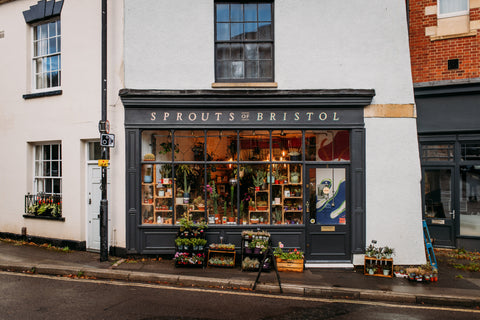
🌿 Packed with care in Bristol, UK
⭐ Loved by thousands of happy Sprouts customers
📦 Royal Mail Tracked delivery
💚 Independent & Real Living Wage Employer
Add a Pot & Care Essentials
Most customers add a pot or soil when purchasing this plant.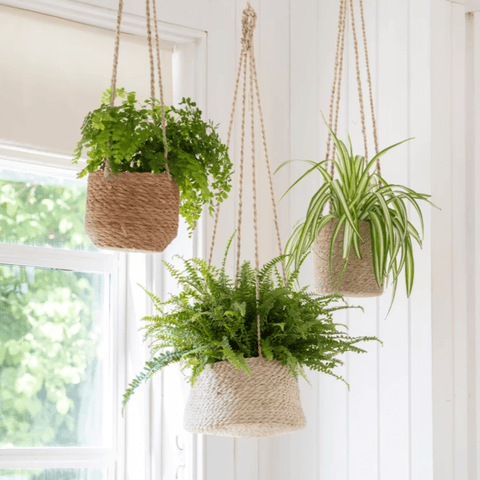



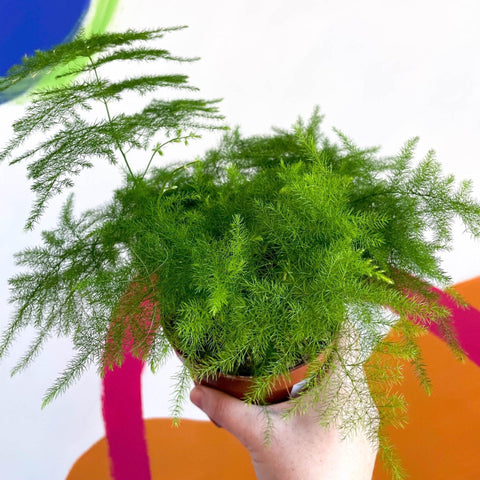
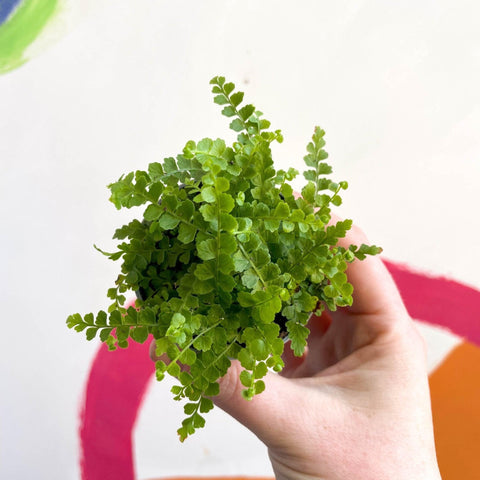
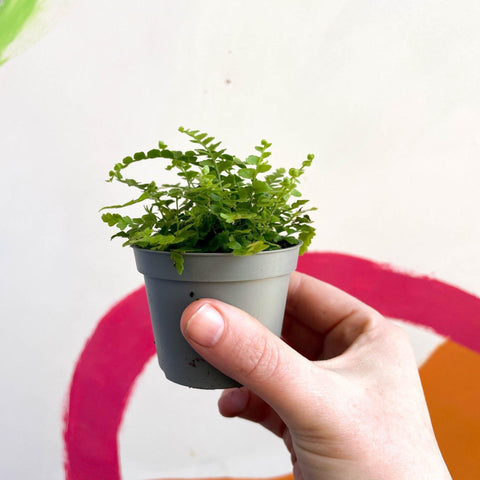
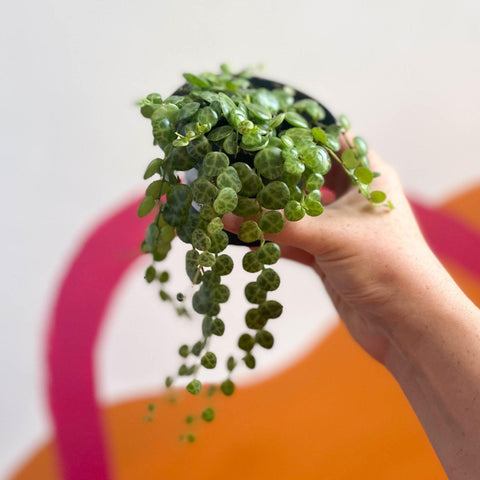





Customers praised this succulent as "cute" and "healthy," noting it's "very easy to look after" and "requires very little effort to care for." Shoppers appreciated the quick delivery, reasonable pricing, and excellent customer service. The plant arrived in perfect condition and thrives well. One customer successfully separated it into two plants, with one flowering.
My plants arrived quickly and in good condition. Very happy!
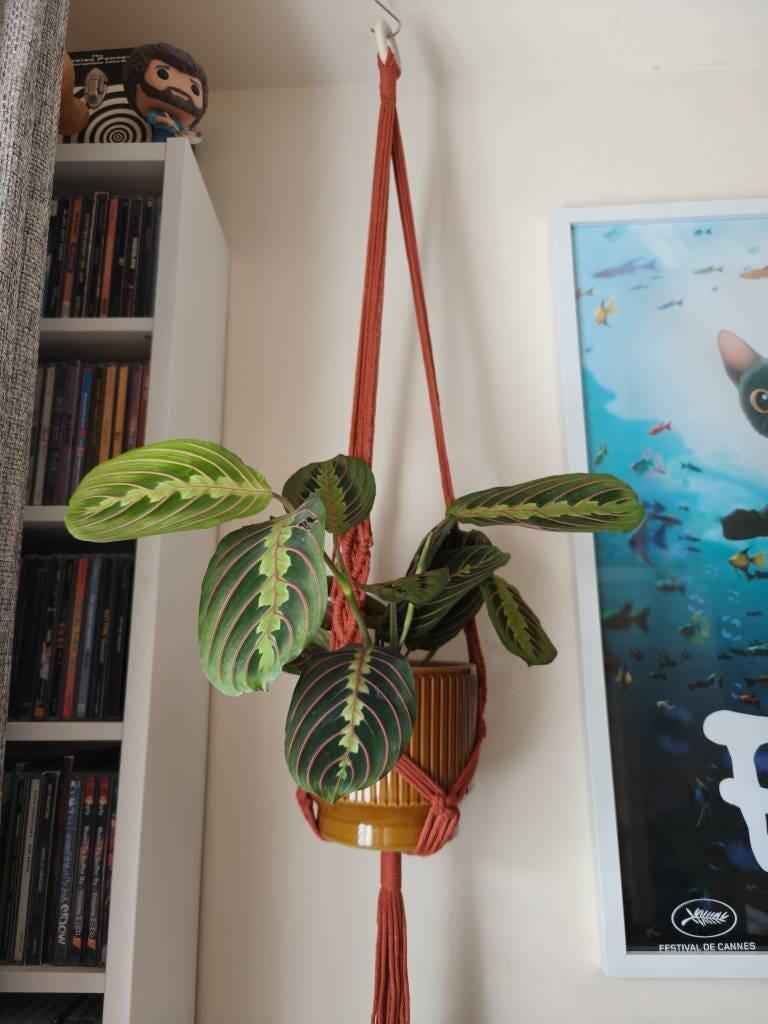
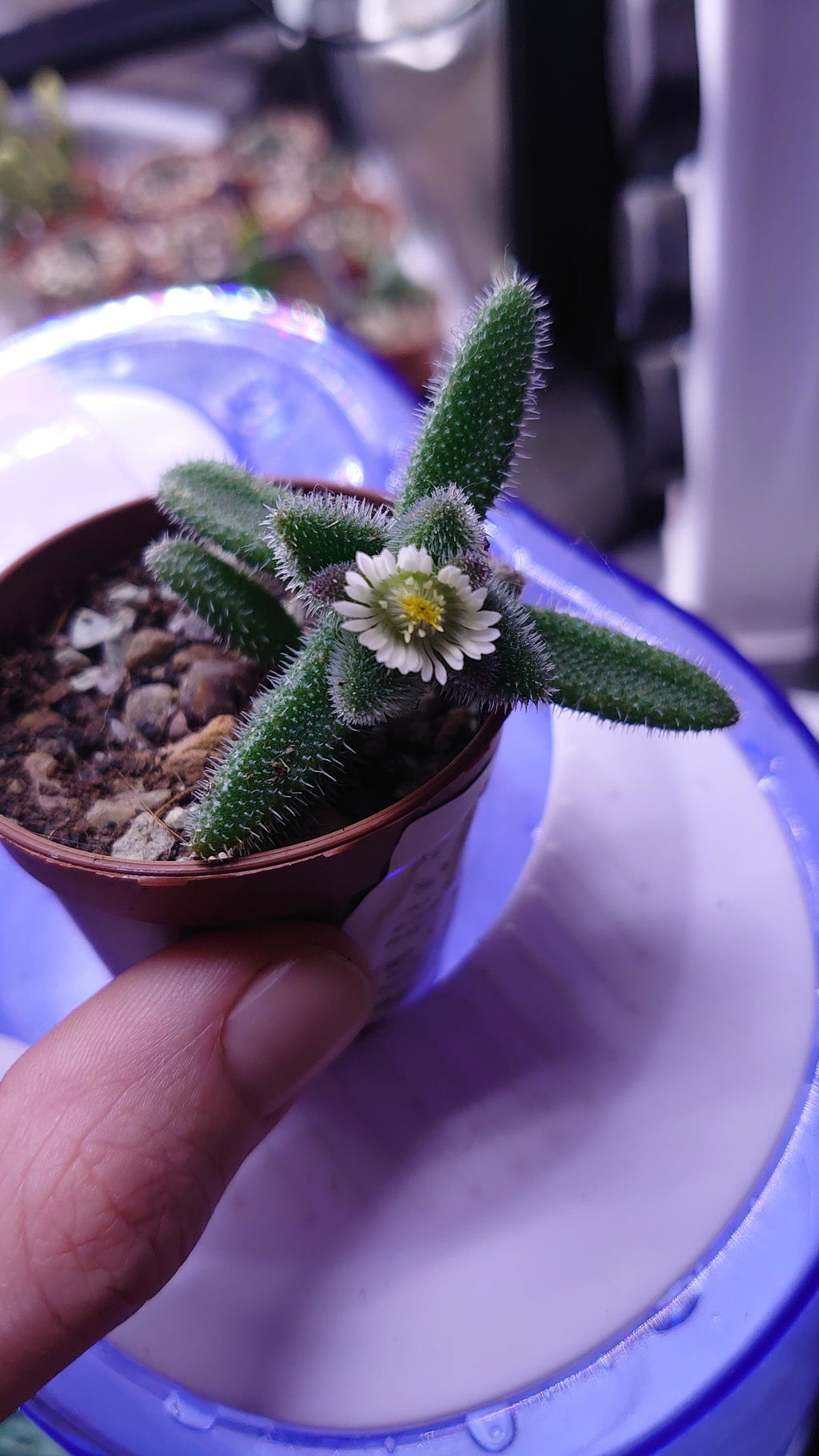
Bought one towards the end of last year and was able to plant it out as two separate plants. One of these has now popped out a flower. Always happy, healthy plants from Sprouts
Cute plant - healthy and reasonably priced
Customer service was perfect. The plants also arrived quickly and in perfect condition
Very very sweet little plant, looks spikey but it actually really lovely to touch, very easy to look after and mine has been thriving since i got her!!
Lovely little plant that brightens up my windowsill & requires very little effort to care for. Good price too
Item met my expectations, I hope it's new owner has kept it alive 🤣
Lovely healthy plant, great customer service and they have a loyalty program. Fantastic shop with ethical values.
I bought this as a gift and it’s perfect, they love it and it’s a pretty easy one to keep alive!