Nematanthus ‘Jungle Lights’ is a playful trailing houseplant known for its glossy green leaves and cheerful, tubular yellow-orange flowers that resemble tiny leaping goldfish. A compact, cascading plant with a naturally arching habit, it’s ideal for hanging baskets, high shelves, or bright windowsills. With good light and consistent care, it flowers freely throughout the warmer months.
Scientific Name
Nematanthus ‘Jungle Lights’ (from Greek nema, “thread”, and anthos, “flower” – referring to the plant’s thread-like flower stalks)
Previously classified under Hypocyrta, Nematanthus is a genus in the Gesneriaceae family, closely related to Aeschynanthus. ‘Jungle Light’ is a named cultivar selected for its bright yellow-gold flowers and vigorous trailing growth.
Common Name(s)
Goldfish Plant, Nematanthus ‘Jungle Lights’
Origin
Cultivar derived from species native to the cloud forests of Brazil and other parts of South America
Light
Prefers bright, indirect light. Will tolerate some gentle morning sun, which encourages flowering. Too little light may reduce blooms and cause leggier growth.
Water
Water when the top 2–3cm of soil feels dry. Keep soil lightly moist during the growing season and reduce watering in winter. Avoid overwatering, as the thick leaves retain moisture.
Humidity
Prefers moderate humidity but adapts well to average indoor conditions. Mist occasionally or use a pebble tray in dry rooms.
Soil
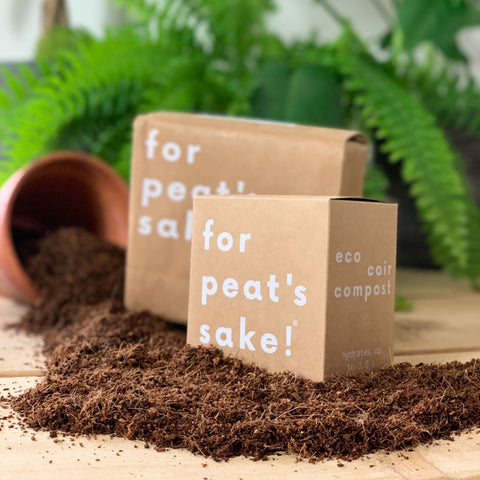
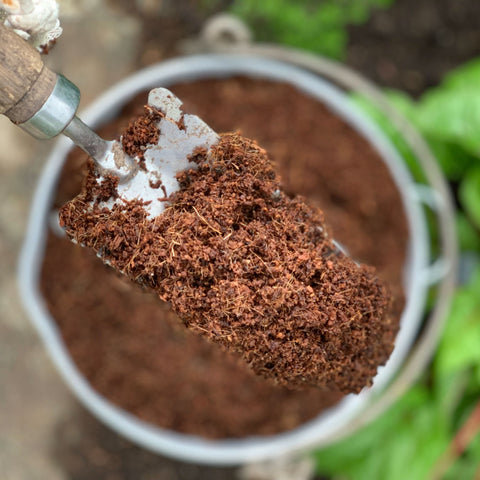
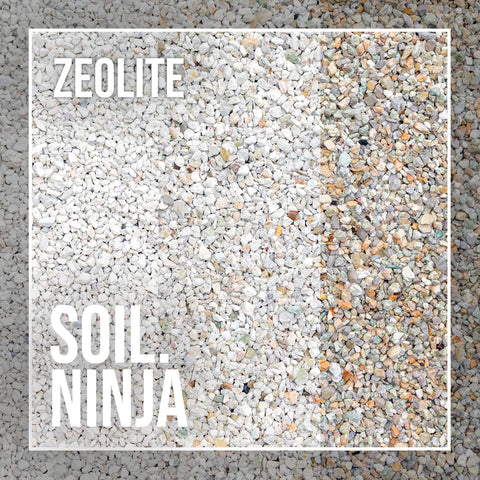
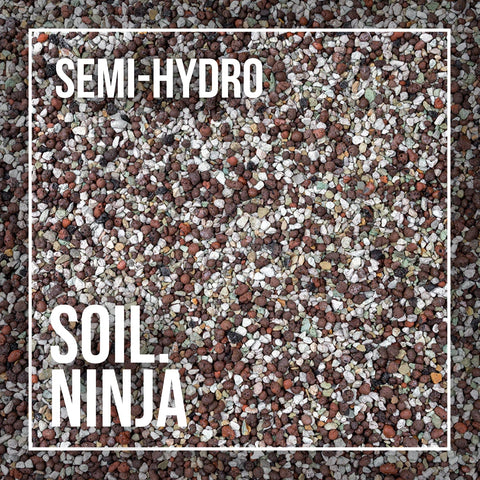
Use a well-draining mix – a blend of houseplant compost, perlite, and a little orchid bark works well. Repot every 1–2 years in spring to refresh the mix.
Food
Feed every 4–6 weeks during spring and summer with a diluted high-potassium fertiliser to support flowering. Avoid overfeeding.
Temp
Ideal temperature range is 18–24°C. Protect from cold draughts and do not expose to temperatures below 12°C.
Pet-safe
Non-toxic – safe for pets and children.
Sprouts Top Tips
Prune lightly after flowering to encourage bushier growth and maintain shape. If stems become leggy, trim and root cuttings to rejuvenate the plant.
Extras
The thick, glossy leaves help this plant retain moisture – a useful adaptation from its native tropical habitat, where it grows as an epiphyte on trees.
Did You Know?
The quirky goldfish-shaped flowers aren’t just cute – in the wild, they’re pollinated by hummingbirds attracted to their bright colour and tubular form.