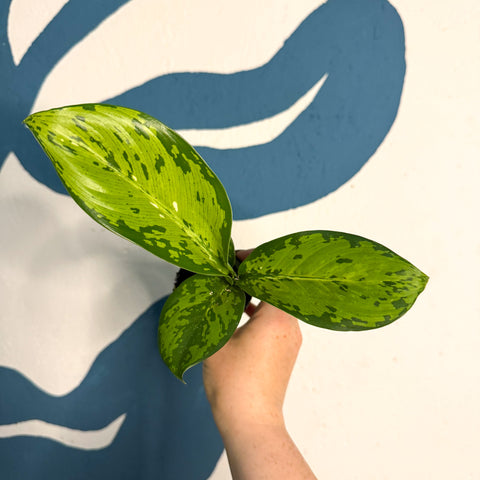
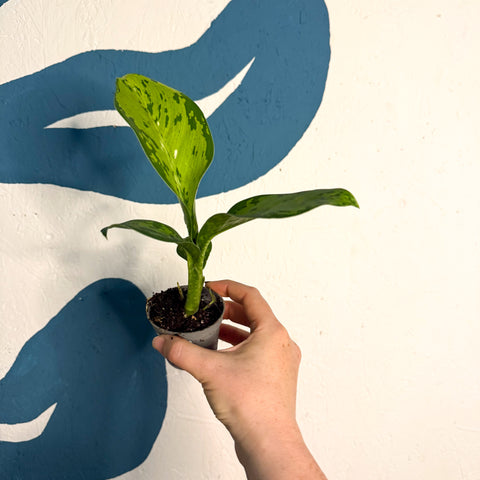
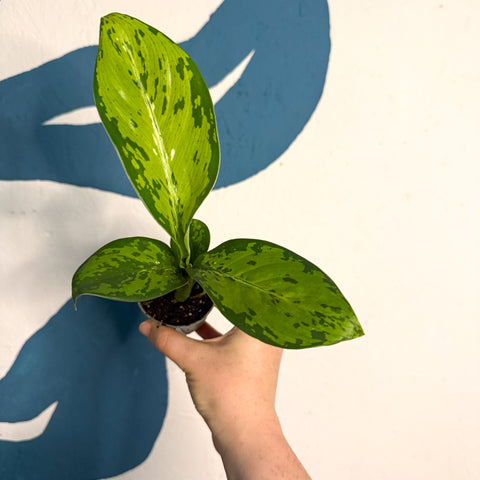
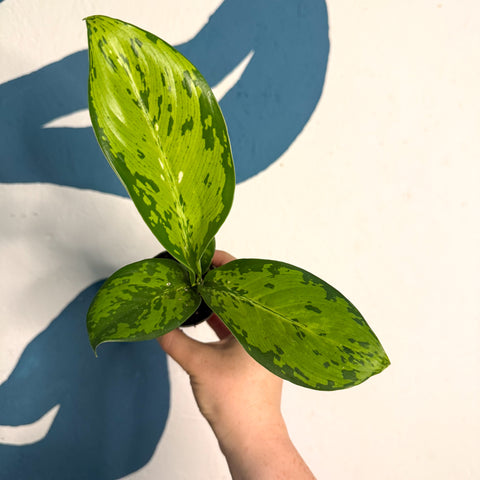
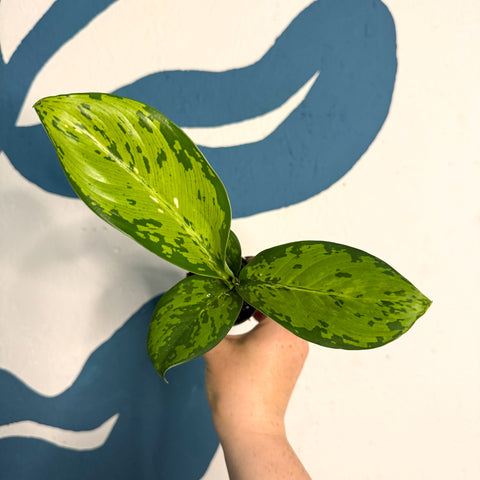
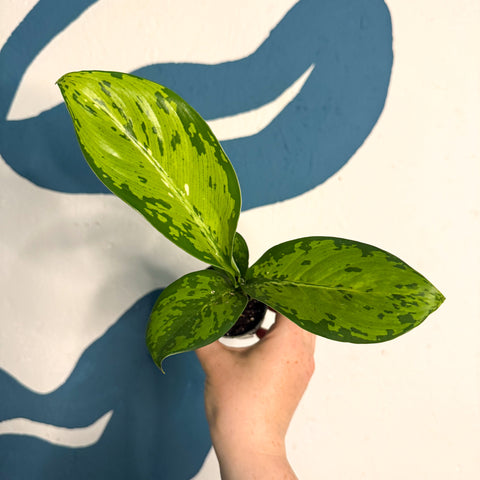
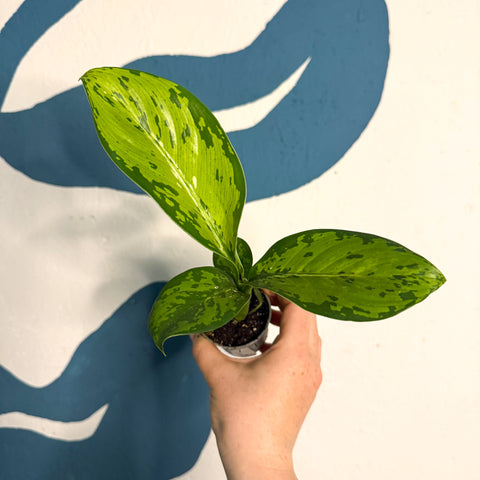
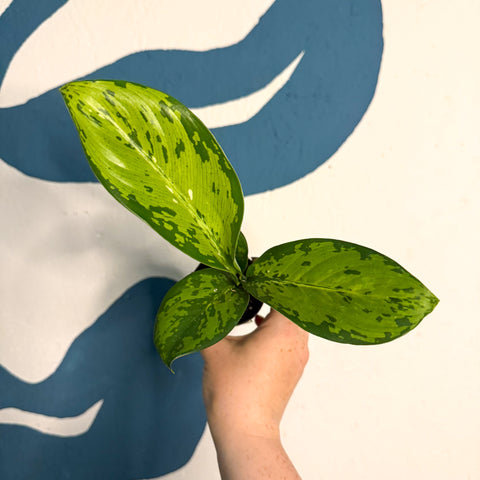
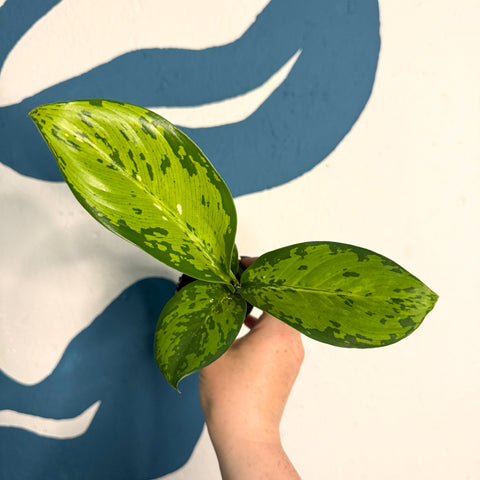
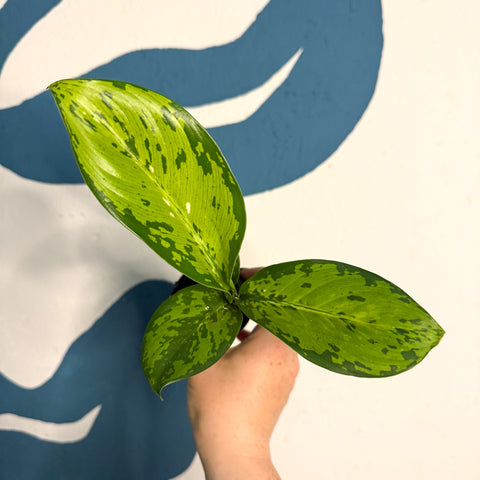
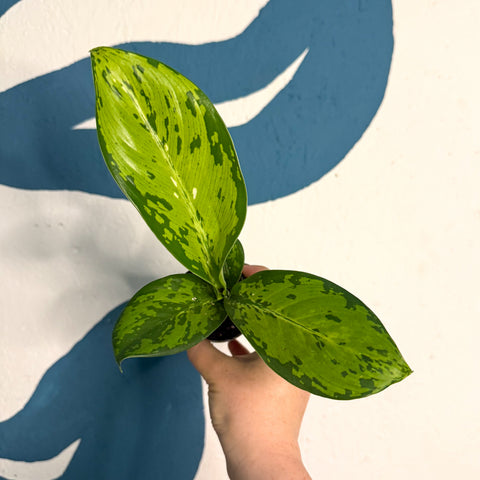
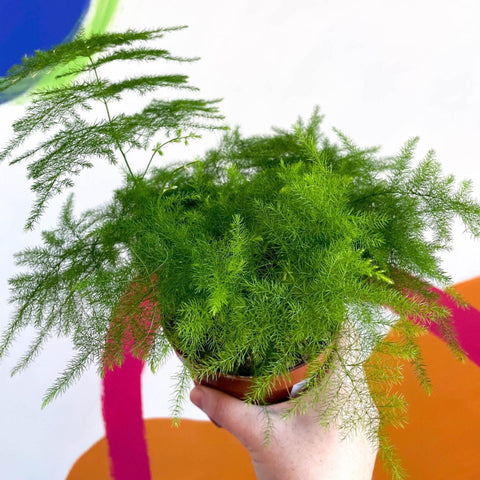
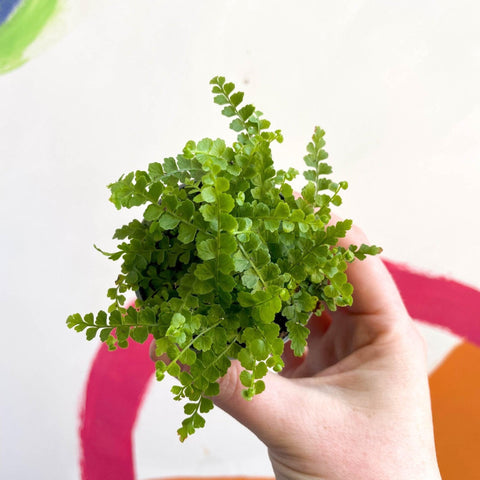
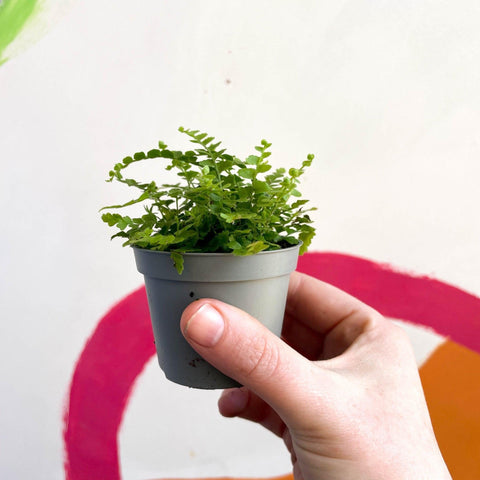
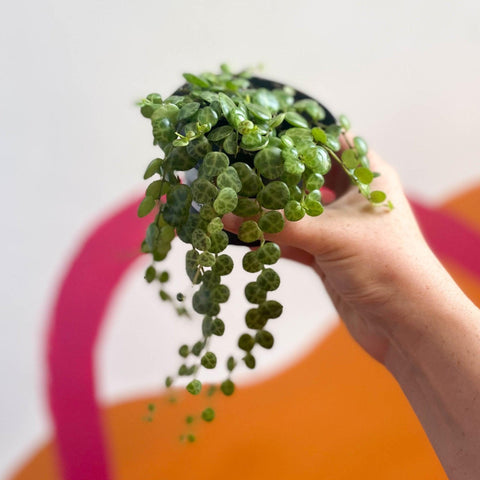
Dieffenbachia ‘Crocodile’ is an unusual tropical houseplant admired for its large, elongated leaves with distinctive textured edges and beautiful green colouring. Its foliage features a mix of deep and lighter green tones, with an irregular, slightly serrated appearance that gives the plant its crocodile-inspired name. With its bold, architectural leaves and upright growth habit, this striking Dieffenbachia makes a fantastic statement plant for any indoor collection.
Scientific Name
Dieffenbachia ‘Crocodile’
Common Name(s)
Crocodile Leopard Lily, Leopard Lily, Dieffenbachia
Origin
A cultivated ornamental Dieffenbachia. The genus is native to tropical regions of Central and South America and the Caribbean, where these plants grow in warm, humid forest environments.
Light
Prefers bright, indirect light but can tolerate moderate light levels. Avoid strong direct sunlight, which can scorch the foliage. A position near an east-facing window or slightly back from a bright south or west-facing window is ideal.
Water
Water when the top few centimetres of soil have dried, then water thoroughly and allow excess water to drain away. Keep the compost lightly moist during active growth but avoid waterlogging. Reduce watering slightly during autumn and winter when growth slows.
Humidity
Prefers moderate to high humidity, ideally around 50–70%. Higher humidity helps maintain healthy foliage and prevent crispy leaf edges. Keep away from radiators and other sources of hot, dry air.
Soil
Use a rich, airy and well-draining houseplant mix. A combination of peat-free compost, perlite and fine orchid bark works well, allowing the roots to retain some moisture while maintaining good drainage.
Food
Feed every 4–6 weeks during spring and summer with a balanced liquid houseplant fertiliser diluted to half strength. Reduce feeding during autumn and winter.
Temperature
Prefers warm temperatures between 18–27°C. Protect from cold draughts, sudden temperature changes and prolonged temperatures below 15°C.
Pet-safe
No. Dieffenbachias contain calcium oxalate crystals that can cause significant irritation if ingested. Keep out of reach of pets and children, and avoid contact with the sap when pruning.
Sprouts Top Tips
Give your ‘Crocodile’ plenty of bright, indirect light to encourage healthy growth and maintain its beautiful leaf markings. Rotate the pot occasionally to promote even growth, and gently wipe the leaves with a damp cloth to remove dust.
If older lower leaves begin to yellow occasionally, this can be a natural part of the plant’s growth. However, widespread yellowing may indicate overwatering or insufficient light.
Extras
‘Crocodile’ develops an upright growth habit with large, decorative leaves that become increasingly impressive as the plant matures. Its unusual leaf shape and textured edges distinguish it from more familiar Dieffenbachia varieties.
Mature plants may occasionally produce small flowers consisting of a spadix surrounded by a spathe, although it is primarily grown for its ornamental foliage.
Did You Know?
Dieffenbachias are commonly known as Dumb Canes because their sap contains calcium oxalate crystals that can cause temporary swelling and irritation of the mouth and throat if ingested, potentially making speaking difficult.
The name ‘Crocodile’ refers to the plant’s distinctive leaf shape and textured edges, which resemble the rugged appearance of crocodile skin.