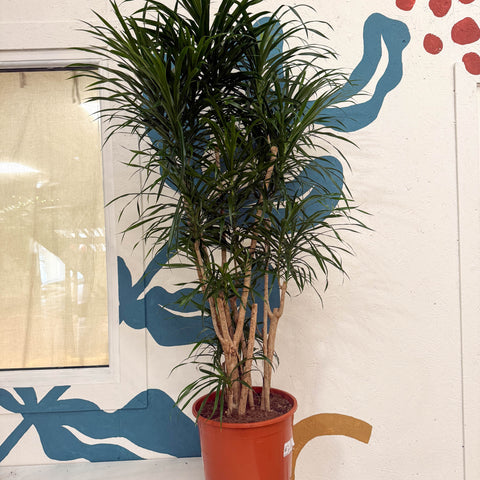
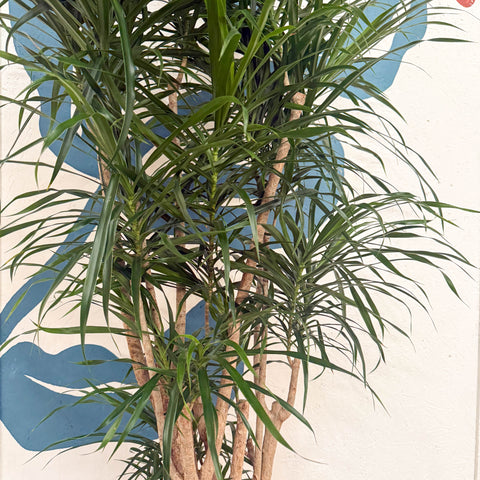
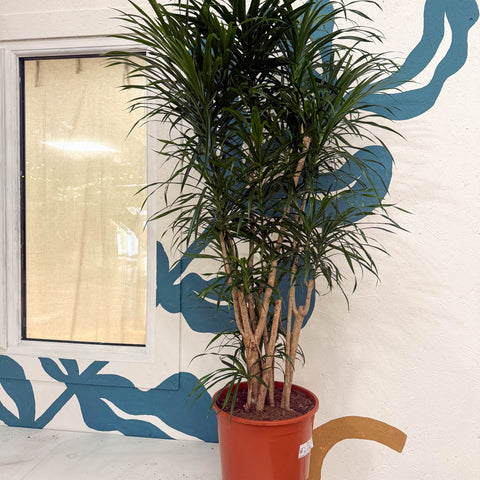
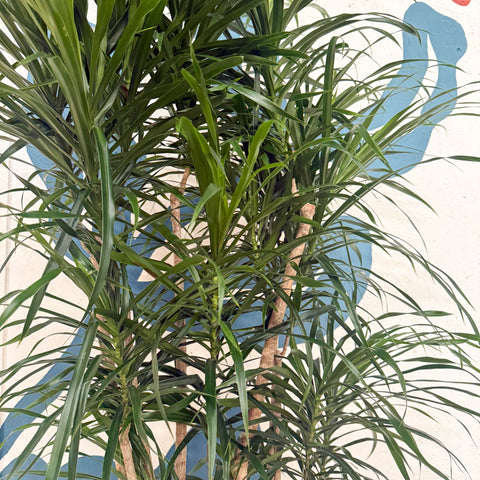
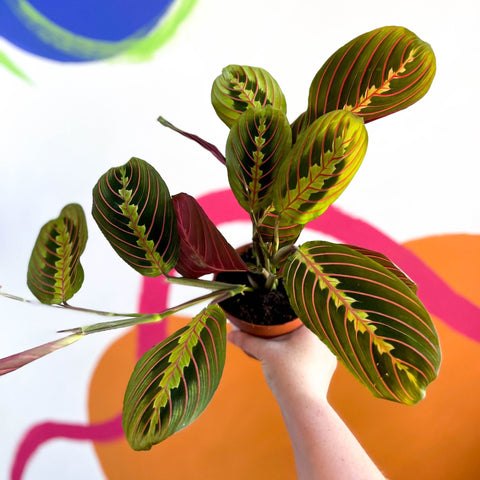
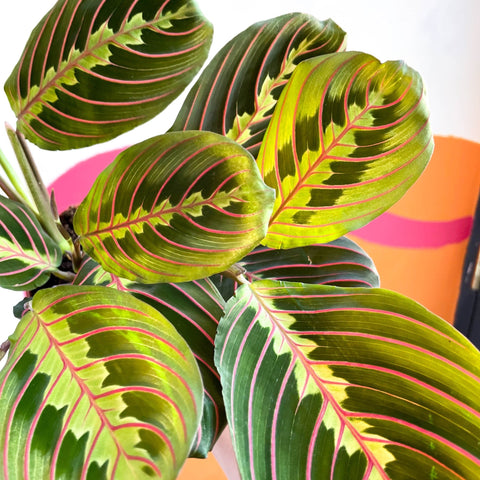
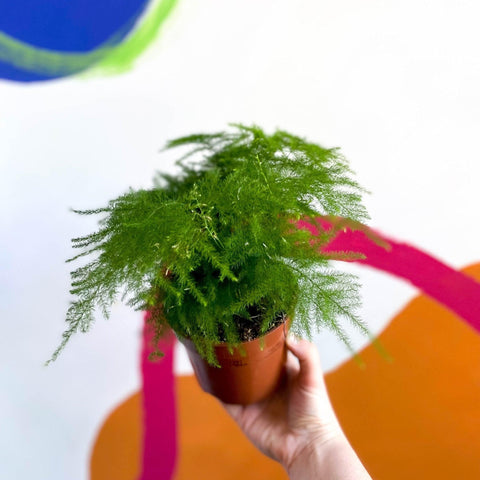
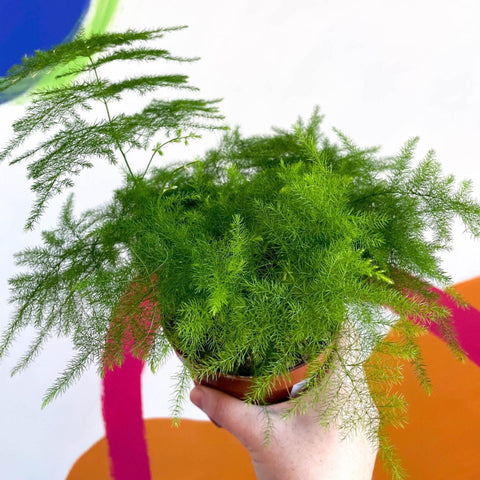
Dracaena reflexa ‘Anita’ is an elegant tropical houseplant with slender, arching leaves in a beautiful shade of deep green. Its narrow, glossy foliage grows in graceful clusters along upright stems, creating a soft, architectural appearance. With its naturally bushy growth habit and relatively easy-going nature, ‘Anita’ makes a wonderful addition to living rooms, offices and bright indoor spaces.
Scientific Name
Dracaena reflexa ‘Anita’
Common Name(s)
Anita Dragon Tree, Dragon Tree, Dracaena Anita
Origin
A cultivated variety of Dracaena reflexa, a species native to islands in the western Indian Ocean, including Madagascar, Mauritius and Réunion, where it grows in tropical and subtropical environments.
Light
Prefers bright, indirect light but can tolerate moderate light levels. Avoid prolonged strong direct sunlight, which can scorch the foliage. A position near an east-facing window or slightly back from a bright south or west-facing window is ideal. Growth may slow in lower-light conditions.
Water
Allow the top half of the soil to dry out between waterings, then water thoroughly and allow excess water to drain away. Dracaenas are sensitive to overwatering, so avoid keeping the compost constantly wet. Reduce watering during autumn and winter when growth slows.
Humidity
Prefers moderate humidity but generally adapts well to average household conditions. If the leaf tips begin to turn brown, check for dry air, inconsistent watering or mineral build-up in the compost. Keep away from radiators and cold draughts.
Soil
Use a well-draining, peat-free houseplant mix with added perlite or fine orchid bark to improve aeration. The compost should retain a little moisture without becoming waterlogged.
Food
Feed every 4–6 weeks during spring and summer with a balanced liquid houseplant fertiliser diluted to half strength. Reduce or stop feeding during autumn and winter.
Temperature
Prefers temperatures between 18–27°C. Protect from cold draughts, sudden temperature changes and prolonged temperatures below 15°C.
Pet-safe
No. Dracaenas contain compounds called saponins that are toxic to cats and dogs if ingested. Keep out of reach of pets.
Sprouts Top Tips
Dracaenas can be sensitive to fluoride and mineral salts in tap water, which may contribute to brown leaf tips. If this becomes a problem, try using rainwater or filtered water.
Rotate your plant occasionally to encourage even growth, and gently wipe the leaves with a damp cloth to keep them looking their best.
Extras
‘Anita’ develops an attractive, upright growth habit with clusters of slender leaves that arch gracefully from its stems. As it matures, it can become a substantial indoor plant with a distinctive, tree-like appearance.
If the plant becomes too tall or leggy, its stems can be pruned during the growing season to encourage fresh shoots and a bushier shape.
Did You Know?
The name Dracaena comes from the ancient Greek word drakaina, meaning female dragon, a reference to the reddish resin produced by certain species in the genus.
Despite its common name, the Dragon Tree isn’t related to true palms. It belongs to the asparagus family, Asparagaceae, alongside plants such as Yucca and Sansevieria.