

Haworthia comptoniana Hybrid – Window Succulent
Buy with confidence
Everything we do is designed to get your order to you safely and happily.
🌿 Packed with care in Bristol, UK
⭐ Loved by thousands of happy Sprouts customers
📦 Royal Mail Tracked delivery
💚 Independent & Real Living Wage Employer
If your plant arrives damaged or unhappy, we’ll put it right. Find out more here
Every plant is carefully packed by our small, plant-loving Bristol team using protective, mostly plastic-free packaging.
Occasionally, you may find reused bubble wrap – this has been donated to us, and we encourage you to reuse it too.
Orders are usually packed and dispatched within 2–4 working days. We may occasionally delay dispatch during periods of extreme weather to protect your plants. We always prioritise plant health over speed of delivery.
Delivery is £5 for any number of items, or free on orders over £60. We deliver across the UK only.
We also offer local, bike-powered delivery in Bristol for £5 via Pedal Collective, a gentler option for plants and the planet.
We believe in paying people fairly, that’s why we’ve been a Real Living Wage Employer from the very beginning. We’re an independent Bristol business, packing every order ourselves.
Supporting us means supporting fair work.
Questions before ordering? Just drop us a message – we’re always happy to help.
Head to our contact page and fill in the contact form and one of the team will be in touch shortly
Haworthia comptoniana Hybrid is a beautiful, slow-growing succulent admired for its thick, triangular leaves arranged in a compact, symmetrical rosette. Its fleshy foliage features distinctive translucent leaf tips, often decorated with intricate green lines and patterns that create an almost jewel-like appearance. With its sculptural shape and wonderfully detailed leaves, this unusual Haworthia makes a fantastic addition to a bright windowsill or succulent collection.
Scientific Name
Haworthia comptoniana Hybrid (a cultivated hybrid involving Haworthia comptoniana, also classified as Haworthia emelyae var. comptoniana)
Common Name(s)
Comptoniana Haworthia, Window Succulent, Window Haworthia
Origin
A cultivated hybrid derived from Haworthia comptoniana, which is native to South Africa, particularly the Western Cape, where it grows in rocky environments with well-draining soil and protection from intense sunlight.
Light
Prefers bright, indirect light with some gentle morning or evening sunlight. Avoid prolonged strong midday sun, which can scorch the leaves and cause excessive reddish or brown discolouration. A bright east or west-facing windowsill is ideal.
Water
Allow the soil to dry out completely between waterings, then water thoroughly and allow excess water to drain away. Haworthias store moisture in their thick leaves and are particularly sensitive to overwatering. Reduce watering during cooler or slower-growing periods, adjusting to the plant’s conditions rather than following a strict schedule.
Humidity
Prefers low to average household humidity with good airflow. No additional humidity or misting is required.
Soil
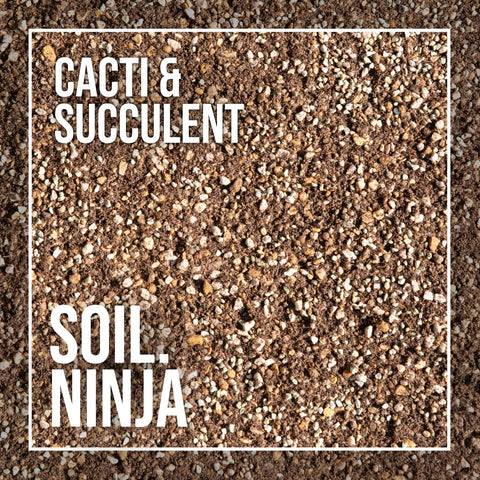
Use a very free-draining cactus and succulent mix with plenty of added mineral material such as pumice, perlite or grit. A gritty growing medium helps prevent excess moisture collecting around the roots.
Food
Feed lightly every 6–8 weeks during active growth with a diluted cactus and succulent fertiliser. Avoid feeding when the plant is dormant or growing very slowly.
Temperature
Prefers temperatures between 15–26°C. Protect from frost and prolonged temperatures below 5°C, particularly when the soil is damp. Avoid excessive heat combined with intense direct sunlight.
Pet-safe
Yes. Haworthias are generally considered non-toxic to cats and dogs.
Sprouts Top Tips
Give your Haworthia plenty of bright, indirect light to show off its beautiful translucent leaf markings. Avoid strong midday sunlight, which can cause stress and damage the delicate leaf windows.
Allow the compost to dry thoroughly between waterings, and avoid letting water sit in the centre of the rosette for prolonged periods.
Extras
This hybrid naturally forms a compact, low-growing rosette and may gradually produce offsets as it matures. The shape, colour and patterning of the leaves can vary between individual hybrids, making each plant slightly different.
Mature plants may occasionally produce slender flower stalks carrying small, pale flowers, although it is primarily grown for its decorative foliage.
Did You Know?
The translucent areas at the tips of Haworthia leaves are often called leaf windows. In their natural habitats, some Haworthias grow partially buried in the ground, with only these windows exposed.
The translucent tissue allows light to penetrate deeper into the leaves, helping the plant photosynthesise while reducing exposure to intense sunlight.
Add a Pot & Care Essentials
Most customers add a pot or soil when purchasing this plant.








Check out The Sprouts Blog
Sprouts insights to house plants, gardening, our favourite brands and plant hire case studies.