

Nephrolepis ‘Blonde’ - Boston Fern
Buy with confidence
Everything we do is designed to get your order to you safely and happily.
🌿 Packed with care in Bristol, UK
⭐ Loved by thousands of happy Sprouts customers
📦 Royal Mail Tracked delivery
💚 Independent & Real Living Wage Employer
If your plant arrives damaged or unhappy, we’ll put it right. Find out more here
Every plant is carefully packed by our small, plant-loving Bristol team using protective, mostly plastic-free packaging.
Occasionally, you may find reused bubble wrap – this has been donated to us, and we encourage you to reuse it too.
Orders are usually packed and dispatched within 2–4 working days. We may occasionally delay dispatch during periods of extreme weather to protect your plants. We always prioritise plant health over speed of delivery.
Delivery is £5 for any number of items, or free on orders over £60. We deliver across the UK only.
We also offer local, bike-powered delivery in Bristol for £5 via Pedal Collective, a gentler option for plants and the planet.
We believe in paying people fairly, that’s why we’ve been a Real Living Wage Employer from the very beginning. We’re an independent Bristol business, packing every order ourselves.
Supporting us means supporting fair work.
Questions before ordering? Just drop us a message – we’re always happy to help.
Head to our contact page and fill in the contact form and one of the team will be in touch shortly
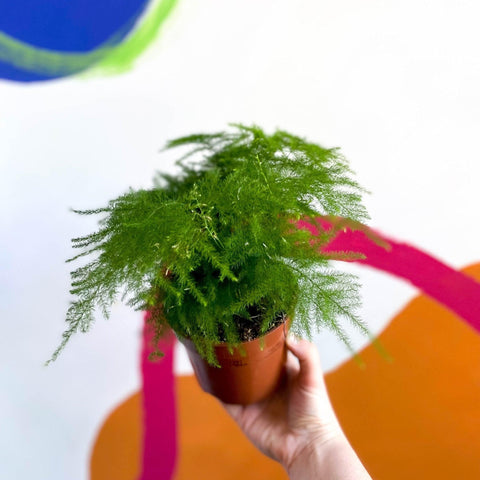
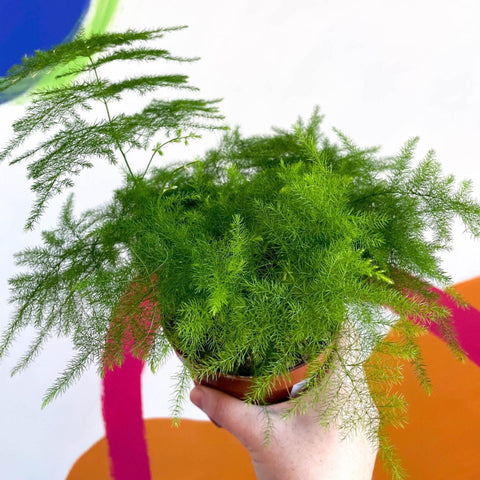
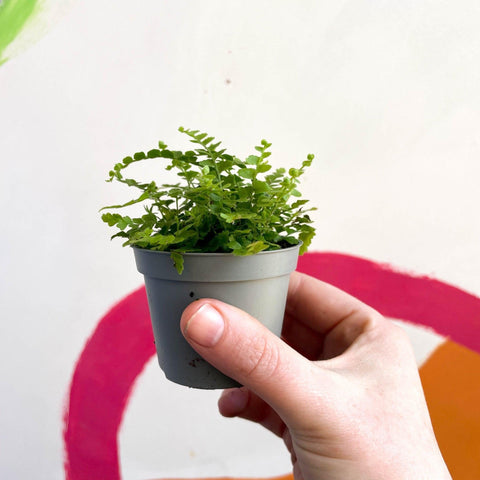
Nephrolepis ‘Blonde’ is a beautiful, softly textured fern admired for its fresh, lime-green to golden-green foliage. Its delicate, arching fronds create a wonderfully full, feathery appearance, bringing a splash of bright greenery to any indoor space. With its naturally bushy growth habit and cascading foliage, this charming fern looks particularly lovely on shelves, plant stands or in hanging pots.
Scientific Name
Nephrolepis ‘Blonde’ (commonly sold as Nephrolepis exaltata ‘Blonde’)
Common Name(s)
Blonde Boston Fern, Boston Fern, Sword Fern
Origin
A cultivated variety of Nephrolepis, a genus of ferns found throughout tropical and subtropical regions. Nephrolepis exaltata, the species commonly associated with Boston Ferns, grows naturally in humid forests and other sheltered environments across tropical regions of the Americas.
Light
Prefers bright, indirect light but can tolerate moderate light levels. Avoid strong direct sunlight, which can scorch its delicate fronds and cause the foliage to become dry and crispy. A position near an east-facing window or slightly away from a brighter window is ideal.
Water
Keep the compost consistently lightly moist without allowing it to become waterlogged. Water when the surface of the soil begins to feel dry, then allow excess water to drain away. Ferns dislike drying out completely, which can cause fronds to turn brown and crispy. Reduce watering slightly during cooler months while maintaining some moisture around the roots.
Humidity
Loves high humidity, ideally above 60%. Bathrooms with natural light, kitchens and other naturally humid spaces are particularly suitable. A humidifier can help maintain healthy foliage in drier homes. Keep away from radiators and drying draughts.
Soil
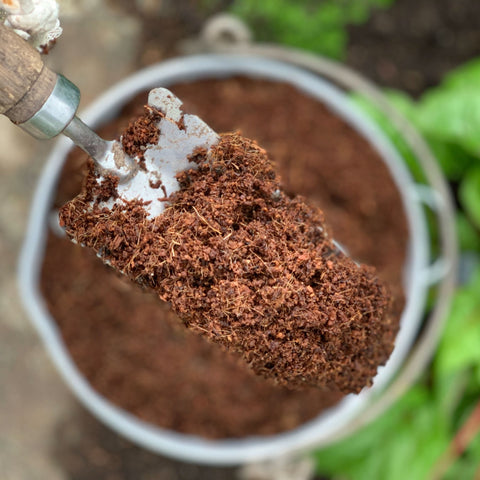
Use a moisture-retentive but well-draining, peat-free houseplant mix. A combination of peat-free compost, fine orchid bark and perlite works well, providing moisture around the roots while allowing excess water to drain away.
Food
Feed every 4–6 weeks during spring and summer with a balanced liquid houseplant fertiliser diluted to half strength. Ferns can be sensitive to overfeeding, so avoid applying fertiliser too frequently. Reduce feeding during autumn and winter.
Temperature
Prefers temperatures between 16–25°C. Protect from cold draughts, sudden temperature changes and prolonged temperatures below 12°C.
Pet-safe
Yes. True Boston Ferns (Nephrolepis) are generally considered non-toxic to cats and dogs.
Sprouts Top Tips
Consistency is key with ferns. Keep the compost lightly moist and provide plenty of humidity to prevent the delicate fronds from drying out.
If you notice brown or crispy foliage, check whether the soil has become too dry or the surrounding air is lacking humidity. Trim away damaged fronds at the base to encourage fresh growth.
Extras
‘Blonde’ develops a naturally full, arching growth habit, making it ideal for hanging planters, shelves and decorative pots. Its lighter foliage provides a beautiful contrast alongside darker green houseplants.
Like other Boston Ferns, it may produce runners as it matures, which can sometimes develop into new plants. Established clumps can also be divided when repotting.
Did You Know?
Ferns are among the oldest groups of plants on Earth, with ancestors dating back hundreds of millions of years.
Unlike flowering plants, ferns reproduce through spores rather than seeds. These spores are often produced in small clusters on the undersides of mature fronds.
Add a Pot & Care Essentials
Most customers add a pot or soil when purchasing this plant.










Check out The Sprouts Blog
Sprouts insights to house plants, gardening, our favourite brands and plant hire case studies.