This trailing plant's intricately-patterned leaves are sure to grab attention hanging from your shelf or ceiling. The pale green of their leaves is contrasted with white veins and white variegation around the edges of the leaves. Related to Hoya, these trailing plants love a bright spot near the window, and will thank your care (read: putting it in the right spot and remembering to water it occasionally) with more of its gorgeous, vining foliage - its stems can grow up to a metre long!
Scientific Name
Dischidia oiantha 'White Diamond' (plant with parted crowns and round flowers, cultivar: white diamond)
Common Name
White Diamond Dischidia, String of Nickels,
Origin
Native to the Philippines
Light
A lover of the light, this plant will appreciate a slash of morning or evening sun. If the direct light can hit the soil, this will help it dry in good time; otherwise, be very careful to let it dry out almost totally before watering again.
Water
Water when half the soil is dry. Check this by picking up the pot to see if it feels light. In a lower light situation, remember it will need less water.
Humidity
This plant likes a bit of a humid environment. While average humidity can be fine, it may appreciate the use of a humidity tray, especially if you notice the edges of its leaves going brown and crispy.
Soil
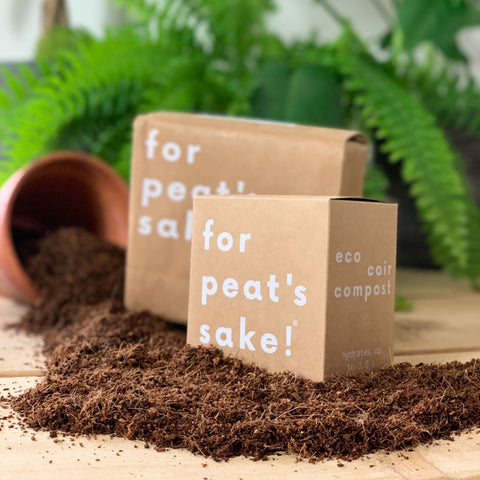
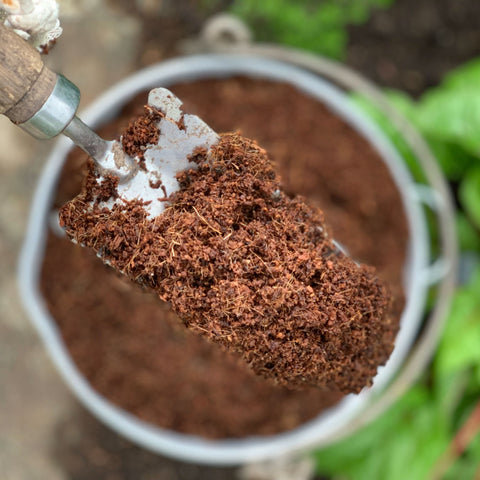
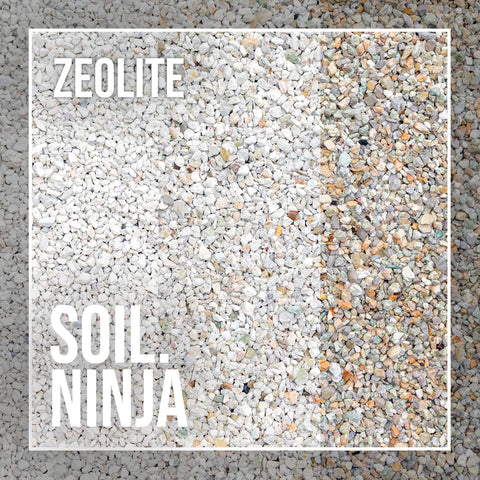
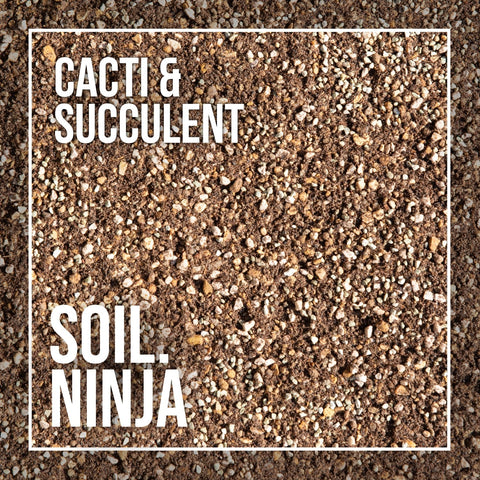
This plant is an epiphyte, so use a chunky soil with plenty of air pockets. A mix with added bark, perlite and coir, or one designed for Anthuriums or Orchids, will work well here. Repot every few years in spring as the plant grows.
Food
Feed every four waters in the growing season, reduce to every six in autumn and winter.
Temperature
Ideal temperature is 15-30°C; make sure it does not get colder than 12°C in winter.
Pet-safe
No, this plant is toxic to pets and small humans.
Sprouts Top Tips
Root rot can be common if these plants are left too damp in a shady spot. If leaves are rapidly going yellow and squishy, your plant needs more light and less water- and potentially drastic action.
Most common issues can be solved by moving your plant out of a shadier spot and into brighter light, so avoid making your plant sad giving it plenty of light to begin with! If it's getting too much light, its leaves may start to crisp and dry out, but this can be more easily remedied than rot.