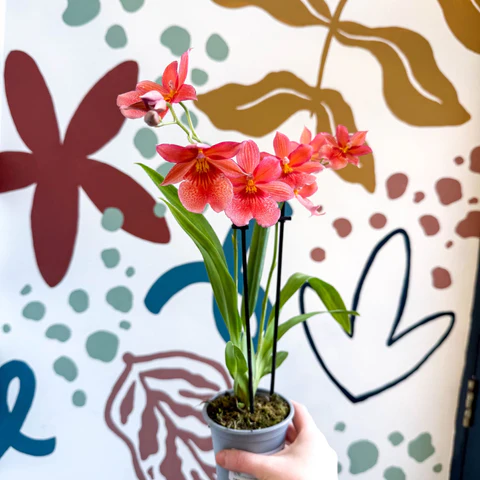
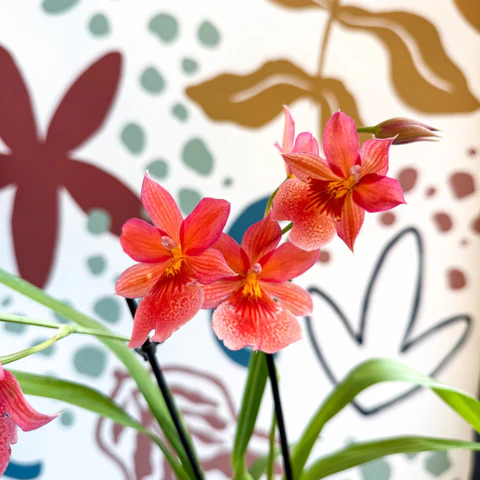


Oncidopsis x ‘Pink Nelly Isler’ – Pink Cambria Orchid
Let customers speak for us

Excellent product and delivered on time
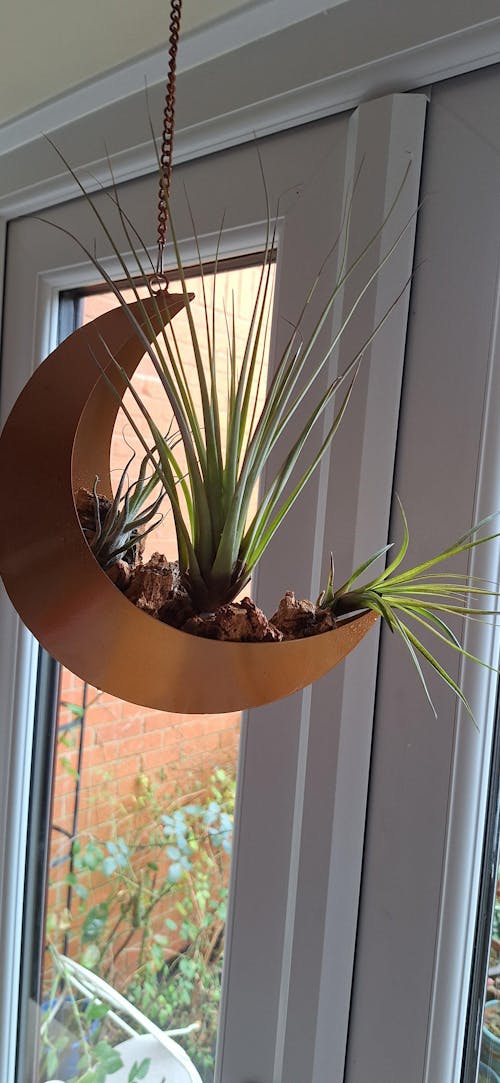
Exactly what I wanted for my air plants.
Arrived intact and at good price.
One of many happy customers.

Super cute frog that attached easily to a houseplant

Really happy with my order. Looks like quality moss, 48 HR delivery.
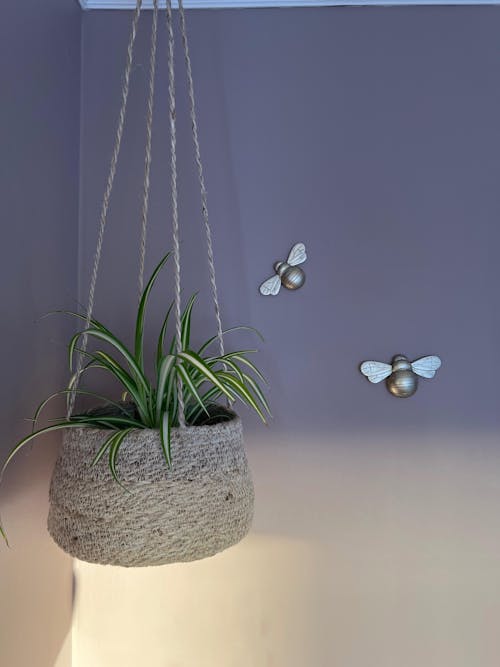
Beautiful hanging basket arrived promptly and well packaged thank you! ☺️

Spot on for my terrarium. Would buy again

perfect for what I wanted it for

Stunning garland, great service and communication. Thank you 😊

Great quality bark pieces. Fast delivery!

Well packaged, healthy looking plant.

Well packaged, healthy looking plant.

Lovely healthy looking plant, well packaged.

Exactly as described. Arrived on time and well wrapped. Thank you!

Seems hardy. Lost some of the leaves in transport, but nothing major. Watered it with diluted reptile/vet disinfectant by accident about a week ago. Oops. I think it might have had an argument with its original roots but whacked onto new soil and seems to be getting by.

Cute. Fine in transport. Winter no heat pack. Separates OK for terrariums or otherwise. Looks nice on its own in a pot or with other things. And indeed does have a slight lemon hint smell particularly when meddling with it.
What customers think about the store
Sprouts of Bristol offers high-quality, well-packaged plants with excellent customer service. Customers praise the healthy condition of plants upon arrival, speedy delivery, helpful staff, and the store's commitment to sustainability. The rescue plant boxes ar...
AI-generated from customer reviews.
Check out The Sprouts Blog
Sprouts insights to house plants, gardening, our favourite brands and plant hire case studies.