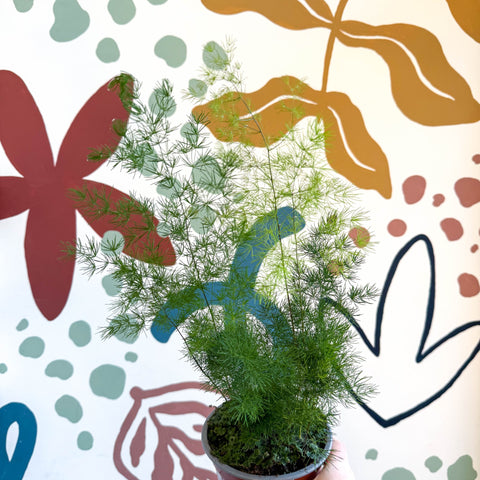
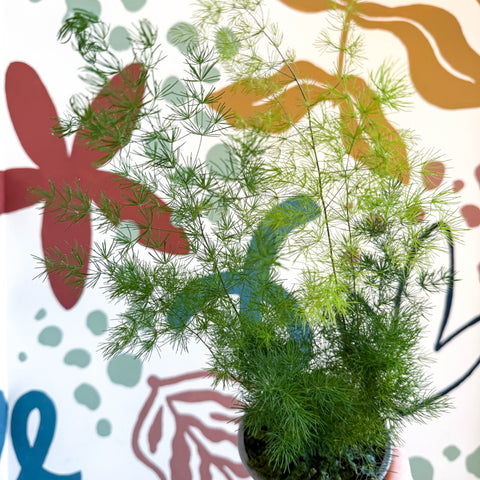
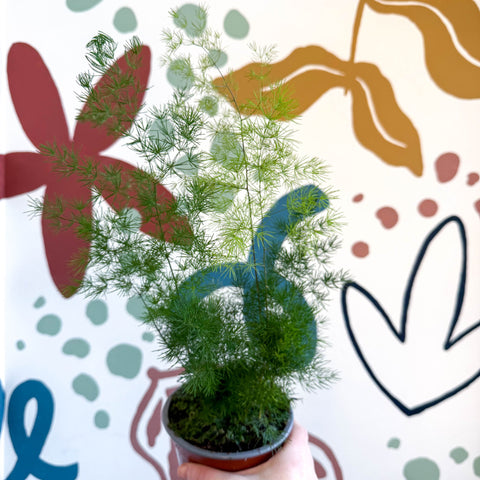
Asparagus umbellatus - Lace Fern

Size
Regular price £12.00
This product is not available for pickup at any store

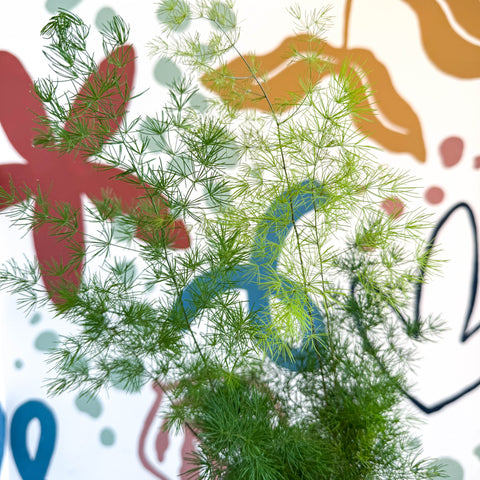
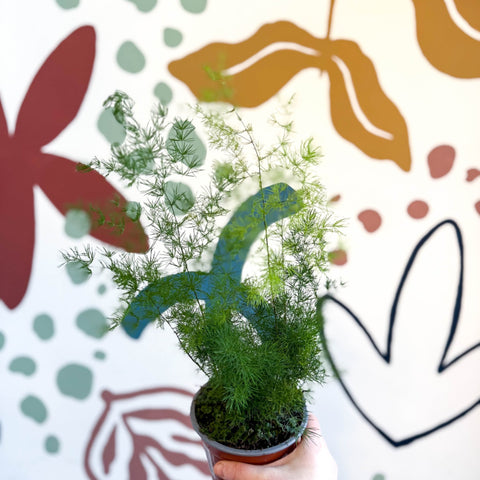
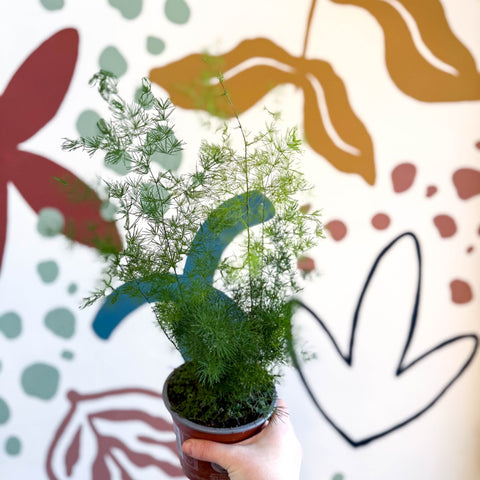
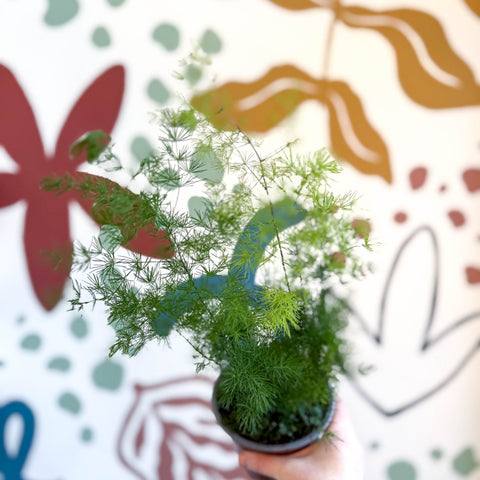
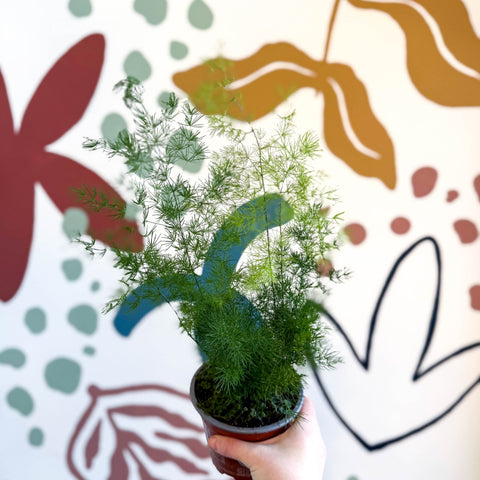
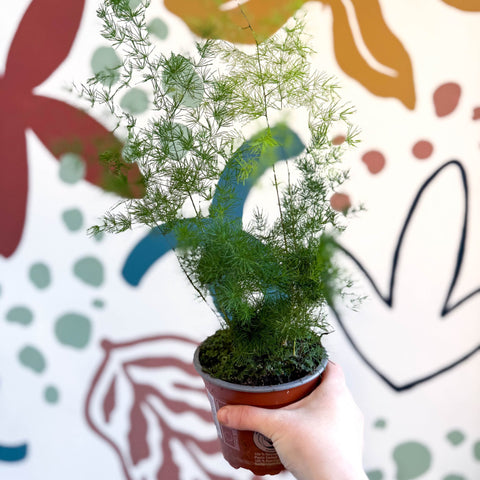
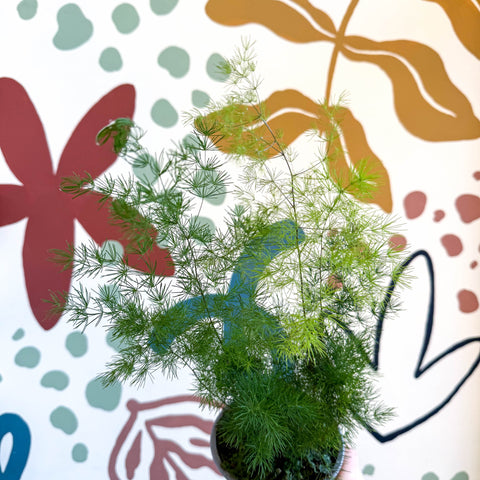
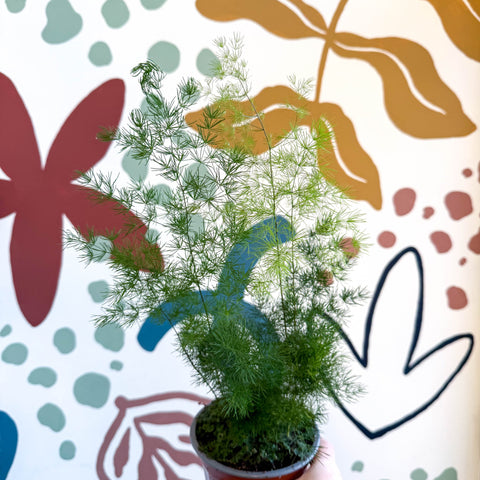
This houseplant is striking thanks to its delicate, almost feathery texture. It loves moisture, and above-average humidity helps its lush green fronds stay fluffy. This fern grows tall on multiple stems, each one ending in branches or narrow leaves, and abundance of which makes this plant super soft, bushy and vibrant. Add this incredible texture to your houseplant collection and it will really level up your sideboard.

Scientific Name
Asparagus umbellatus (asparagus bearing umbels, bunches or stems growing from the same spot)

Synonyms
Asparagopsis umbellata, Asparagus scaber

The scientific name of this plant was first published in 1828

Common Name(s)
Lace Fern, Umbrella Asparagus, Climbing Asparagus

Origin
This plant is native to the subtropical Canary Islands and Madeira, off the Northwest coast of Africa.

Light
Prefers bright, indirect light and can tolerate a little shade. Avoid harsh, direct sunlight, which can scorch its delicate foliage.

Water
Keep the soil evenly moist during the growing season (spring to autumn). Allow the top inch of soil to dry out slightly between waters. In winter, reduce watering, letting the soil dry out a bit more in between.

Humidity
Your Lace Fern will prefer moderate to high humidity, so if it's in a drier spot, a pebble tray can help increase local humidity levels. Bathrooms or kitchens can also be good spots for these plants as they tend to be slightly damper.

Soil
Plant in well-draining soil; a mix designed for ferns, with added sand, coir and perlite will be a good environment for this plant. Repot every couple of years as the plant grows.

Food
Feed every four waters in the growing system, reduce in autumn and winter to every six waters.

Temperature
Ideal temperatures are between 18-26°C. Avoid exposure to cold drafts and temperatures below 12°C.

Pet-safe
No, this plant is toxic when eaten. Best kept out of reach of pets and small children.

Sprouts Top Tips
Yellow leaves / needles are a sign of too much light and/or too little water. If they are also going brown, this signals too little moisture in the air, so a humidity tray would be a good idea.
If the stems have got very damaged, are looking very leggy, or have lost a lot of foliage, they will be best able to grow back if you give them a hard prune down to an inch above the soil. This will help them grow back much more bushy, as lost foliage won't be replaced on the same stems.

Check out The Sprouts Blog

Sprouts insights to house plants, gardening, our favourite brands and plant hire case studies.
We’re Growing – Welcome to Sprouts HQ! - Sprouts of Bristol
Sprouts of Bristol is expanding with the launch of Sprouts HQ – a new South Bristol premises that will house a dedicated packing space for online orders, an office, studio, and more room for rare and exciting plants. While the Kingsdown shop remains open as usual, the new HQ allows Sprouts to grow behind the scenes and offer even better service both in-store and online. This blog post shares the story behind the move, what customers can expect, and how to keep supporting this independent plant shop through the transition.
Jessy EdgarAugust 15, 2025
Terrarium & Wreath Workshops in Bristol – Autumn & Winter 2025 - Sprouts of Bristol
Join Sprouts of Bristol for terrarium, kokedama, and Christmas wreath workshops this autumn–winter. Creative, plant-filled fun in the heart of Bristol!
Jessy EdgarAugust 5, 2025
Build Your Own Terrarium: A Step-by-Step Guide from Sprouts - Sprouts of Bristol
Fancy creating your own tiny, self-contained world of green? Our DIY terrarium kits are the...
Jessy EdgarJuly 20, 2025