Microsorum musifolium 'Crocodyllus' - Crocodile Fern

Size
Regular price £14.00
This product is not available for pickup at any store

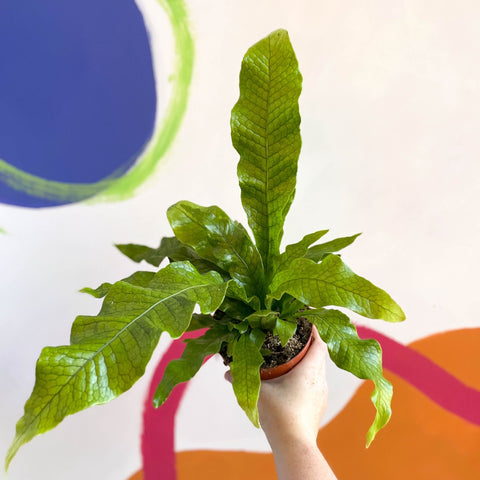
This plant is one of my personal favourites thanks to its incredible textured foliage. Who needs croc-skin handbags when you can have a croc skin houseplant?? And without the cruelty to animals - yes, folks, no crocodiles (or alligators) were harmed in the making of this houseplant! To keep this fantastic foliage plant happy in your home, all you'll need is space in a room with a window, ideally not entirely sheltered from that window, and access to water. Access to a tray and some stones will be helpful too as this plant likes its humidity high. Take this plant for its stunning foliage and it will reward your care with happy leafy growth.

Scientific Name
Microsorum musifolium 'Crocodyllus' (plant with small sori and banana-like leaves)

Common Name
Crocodile Fern, Alligator Fern, Crocodyllus Fern, Banana-Leaved Crocodyllus Fern

Origin
Native to tropical forests of Southeast Asia

Light
Like most ferns, this plant prefers to be out of the direct sun but is otherwise flexible. It will struggle in very shady parts of your home, but as long as it gets some natural light (i.e. enough for you to read by in daylight) and is out of any direct sun, this plant will be happy with the light.

Water
This plant likes its soil pretty moist, like most ferns. Only let the top third of the soil dry out between watering (be aware this will take longer in winter). Your croc is used to moist ground so shouldn't be subjected to droughts.

Humidity
This is a tropical forest plant, used to high humidity environments. If it's too dry in the air around your plant you will soon notice browning leaf tips; the plant will appreciate the use of a humidity tray to increase local humidity and this will also decrease the risk of its being underwatered.

Soil
This is an epiphytic fern, so a mix of elements is needed in its soil to retain moisture but also allow air to the roots. A half/half mixture of soils designed for ferns with those designed for epiphytic anthuriums and orchids will be the perfect balance.

Food
Feed every four waters in the growing season, reduce to every six in autumn and winter.

Temperature
Ideal temperature is 16-26°C; make sure it does not get colder than 12°C in winter.

Pet-safe
Yes, but too much nibbling won't be good for pets, small humans or the plant!

Sprouts Top Tips
Moisture with this plant is key; with high humidity, not too much light and consistent soil moisture it will stay happy! As with most ferns, the biggest issues you'll get are if it gets too thirsty - however, if it doesn't get enough light it is possible that your plant will rot which is much harder to fix. So, make sure it's within a few metres of a window, and then all you need to worry about it keeping it hydrated!


Check out The Sprouts Blog

Sprouts insights to house plants, gardening, our favourite brands and plant hire case studies.
We’re Growing – Welcome to Sprouts HQ! - Sprouts of Bristol
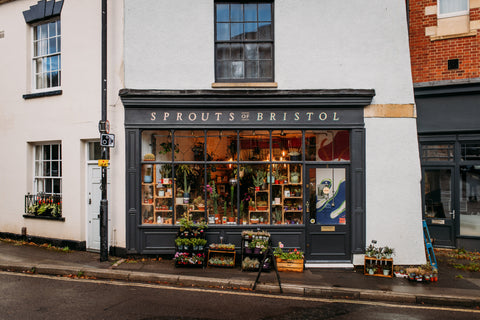
Sprouts of Bristol is expanding with the launch of Sprouts HQ – a new South Bristol premises that will house a dedicated packing space for online orders, an office, studio, and more room for rare and exciting plants. While the Kingsdown shop remains open as usual, the new HQ allows Sprouts to grow behind the scenes and offer even better service both in-store and online. This blog post shares the story behind the move, what customers can expect, and how to keep supporting this independent plant shop through the transition.
Jessy EdgarAugust 15, 2025
Terrarium & Wreath Workshops in Bristol – Autumn & Winter 2025 - Sprouts of Bristol
Join Sprouts of Bristol for terrarium, kokedama, and Christmas wreath workshops this autumn–winter. Creative, plant-filled fun in the heart of Bristol!
Jessy EdgarAugust 5, 2025
Build Your Own Terrarium: A Step-by-Step Guide from Sprouts - Sprouts of Bristol
Fancy creating your own tiny, self-contained world of green? Our DIY terrarium kits are the...
Jessy EdgarJuly 20, 2025