It may just be ornamental, but it still seems extraordinary to have a tiny pineapple growing in your home, right? That’s exactly what you get with this plant—an explosion of tropical foliage topped with a miniature pineapple on a sturdy central stem. While this fruit isn’t edible, it’s certainly a feast for the eyes, adding a playful, tropical touch to any indoor space. Care for it like a rainforest native, with bright light, high humidity, and a bit of patience for its quirky growth cycle.
Scientific Name
Ananas comosus ‘Rosita’ (leafy pineapple)
This plant belongs to the bromeliad family, previously grouped under different classifications for tropical epiphytes.
Common Name(s)
Pineapple Plant, Ornamental Pineapple, Dwarf Pineapple, Miniature Pineapple
Origin
Native to South America, especially northern Brazil.
Light
Bright, indirect light is ideal. Too much direct sunlight can scorch its leaves, while insufficient light may slow its growth and fade its vibrant green tones.
Water
Allow the top layer of soil to dry out between waterings. Overwatering can lead to root rot, so water sparingly, especially in cooler months.
Humidity
Thrives in a humid environment, mimicking its tropical origins. Place it in a naturally humid room (like a bathroom) or use a pebble tray, misting, or a humidifier to maintain moisture levels. Keep away from radiators and dry areas.
Soil
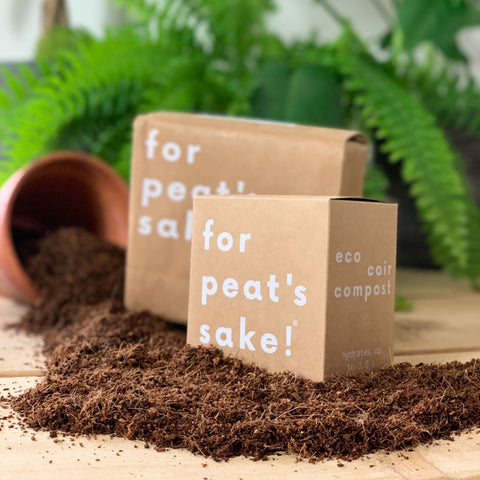
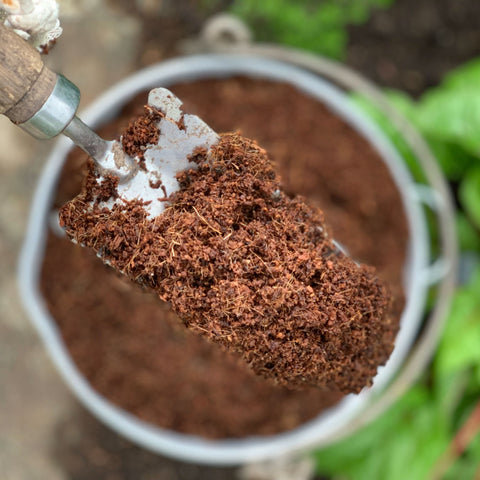
Prefers a well-draining mix that retains some moisture. A mix designed for anthuriums, with components like coir, perlite, and bark, works well. Repot every few years or when pups are large enough to separate.
Food
Feed every four waterings during the growing season (spring and summer) with a balanced houseplant fertiliser. Reduce feeding to every six waterings in autumn and winter.
Temperature
Ideal range is 16–30°C. Protect it from cold drafts and ensure it stays above 8°C in winter.
Pet-safe
Yes, though excessive nibbling is not advised for pets, small humans, or the plant itself!
Sprouts Top Tips
As a bromeliad, this plant will naturally begin to die back after its fruit has matured and fallen off. However, it often produces pups—miniature offsets—that can be potted into their own containers once they reach half to two-thirds the size of the parent plant.
Extras
Ornamental pineapples are not edible but are popular for their quirky aesthetic and connection to tropical decor. The plant’s foliage can also act as a natural humidifier, contributing to a fresher atmosphere indoors.
Did You Know?
The pineapple is a symbol of hospitality in many cultures, dating back to colonial times when it was considered a luxurious and rare treat.