This Kalanchoe's giant, rounded leaves make it a stunning addition to your houseplant collection. Its leaves are the classic, silver-green colour, large and rounded in shape, and lined with a deep red colour along edges with holly-like spikes. But the reason that this Kalanchoe has the common name 'Walking Kalanchoe' is due to its unusual growth pattern; it grows long stems which let it spread, as though by stretching its legs, through its environment and producing new plants with each 'step'. If you notice the leaves getting redder, this is probably in response to a higher light environment - it could well be a sign of summer on the way! This easygoing succulent is happy in many houseplant collections, from the succulent collector to the houseplant novice.
Scientific Name
Kalanchoe synsepala (Plant with grouped sepals where the parts that fall, grow)
Synonyms: Kalanchoe trichantha, Kalanchoe gentyi, Kalanchoe brachycalyx Baker
The name K. synsepala was first published in 1882, and it has stayed the correct classification despite a couple of synonyms being published in later papers (1883 and 1914)
Common Name(s)
Walking Kalanchoe, Cup Kalanchoe, Kalanchoe Gremlin
Origin
Native to Central and Southern Madagascar, where it grows in rocky, sunny environments.
Light
Prefers bright, indirect light with an hour or two of direct sun. Keep near a south- or west-facing window for the best growth.
Water
Allow the soil to dry out completely between waterings. Water deeply, ensuring any excess water drains away. During winter, reduce watering significantly as the plant’s growth slows. Be aware of soggy soil as this can lead to root rot.
Humidity
Well-adapted to low humidity, your Kalanchoe does not require extra humidity above normal household levels. In fact, avoid placing it in overly damp environments, which may encourage fungal issues.
Soil
Plant in a well-draining cactus or succulent potting mix. Added sand, grit or perlite in these mixes helps improve drainage. Repot every 2-3 years in spring, or when the plant outgrows its container.
Food
Feed with a diluted cactus and succulent fertiliser every couple of months during the growing season (spring and summer). Stop feeding in autumn and winter when the plant is dormant.
Temperature
Ideal temperature is between 15-25°C; make sure it does not get colder than 12°C in winter.
Pet-safe
No, this plant is toxic if ingested. Keep out of reach of pets and children.
Sprouts Top Tips
The stolons that produce offsets can root easily, allowing the plant to spread over time in its natural habitat. When growing indoors, trim the stolons and propagate them separately. Rotate the plant occasionally to ensure even growth and light exposure.
Did You Know?
In its native habitat, Kalanchoe synsepala uses its stolons to propagate in rocky crevices, ensuring its survival in challenging conditions. This gives it the appearance of moving and has led to it being nicknamed the 'Walking Kalanchoe'



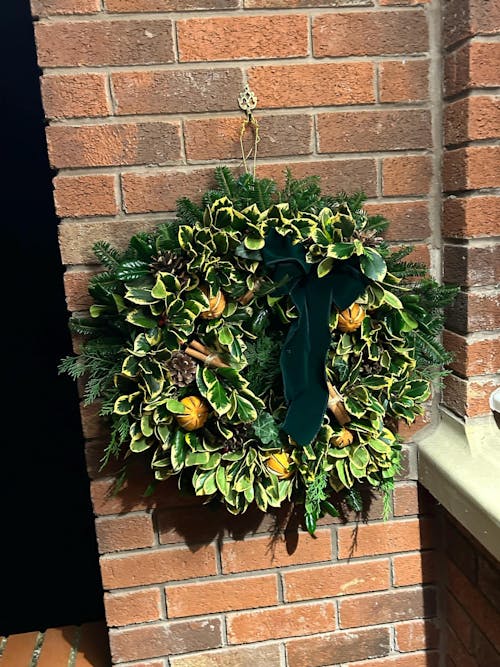
![The 'Hot Toddy' Fresh Foliage Christmas Wreath [Made to Order]](https://cdn.shopify.com/s/files/1/0490/2774/3905/products/the-hot-toddy-fresh-foliage-christmas-wreath-240111_500x500.jpg?v=1637626402)