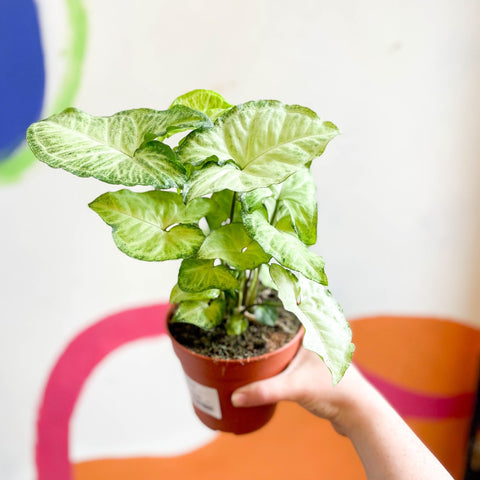
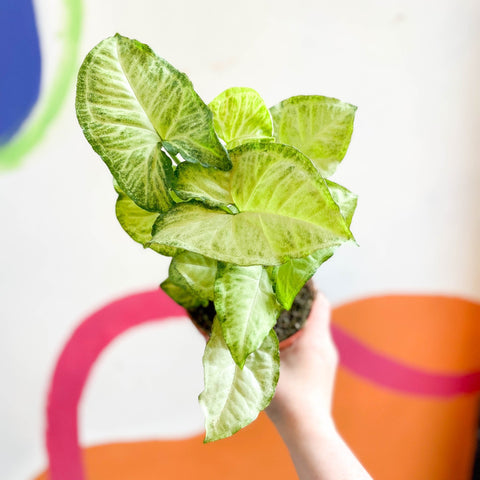
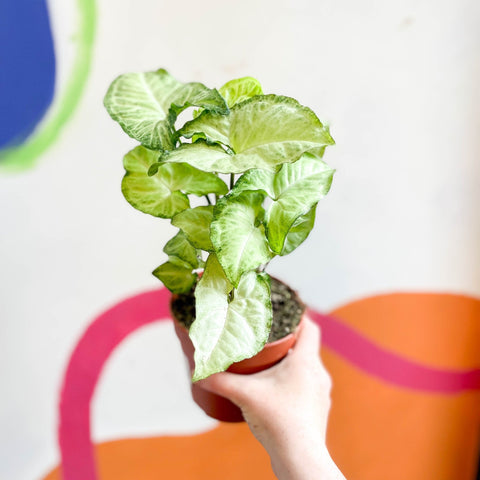
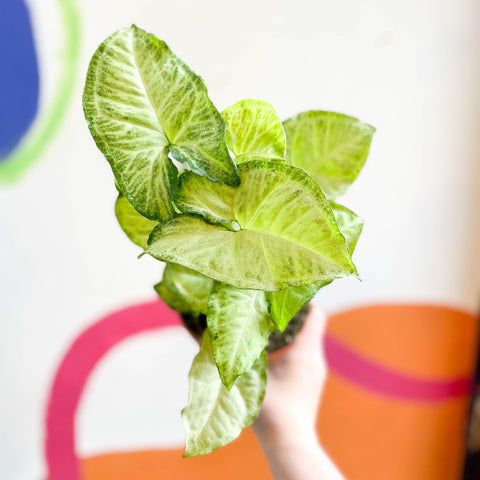

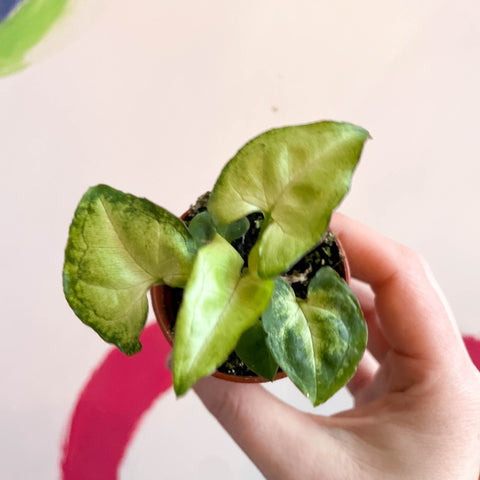

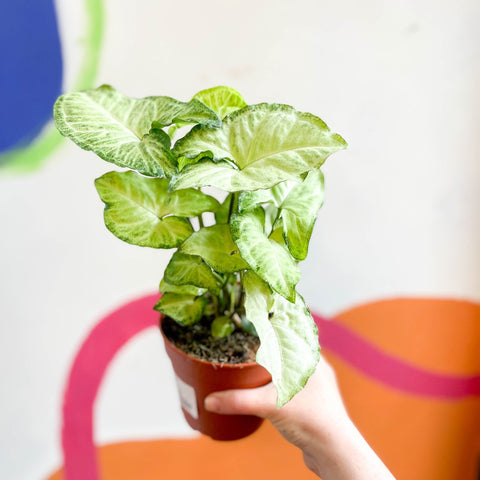
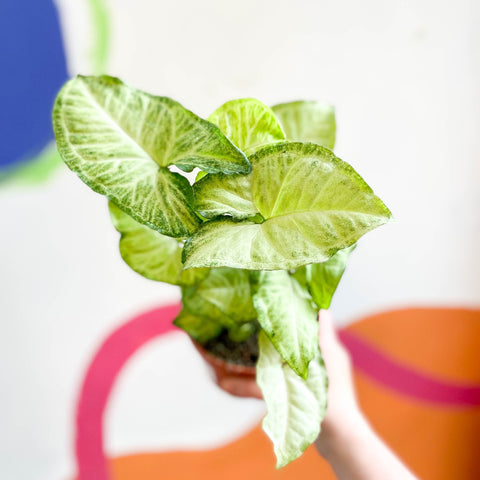
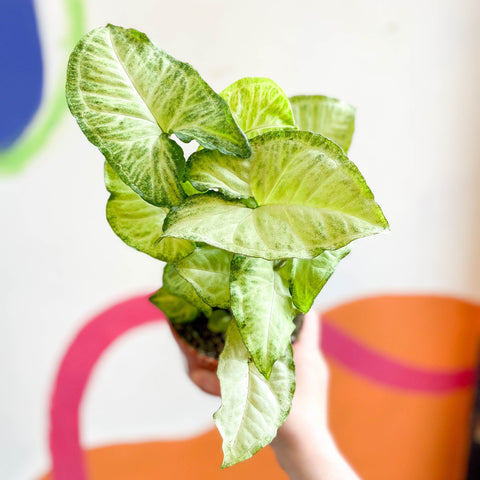
Syngonium podophyllum 'White Butterfly'
Let customers speak for us

The cork top I bought was simply perfect for it's job!

Beautifully packaged great stocking filler

Nice size to display in a bowl with other colours.
Arrived well wrapped and on time.

Love these dried peeled oranges that compliment the dark brown cones for display.
Good quality. Well packaged and arrived on time.

Lovely fresh magnolia leaves for my seasonal planters . Thank you !

Gorgeous! Thanks so much love them
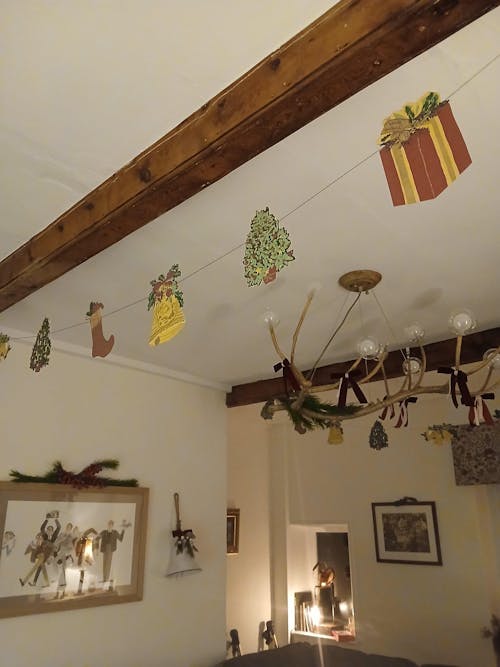
Sprouts of Bristol sent my package very quickly and presented very well i love my christmas garlands there stunning

Good service and excellent foliage.

Was sceptical about ordering my tree online but was pleasantly surprised by my beautiful, perfect, bigger-than-expected tree. Thank you! <3

great product , great service excellent
Boughtbto replace the broken cina lid of my small food waste bin. This cork "stopper" is just the job.
![The 'Mulled Wine' Fresh Foliage Christmas Wreath [Made to Order]](https://cdn.shopify.com/s/files/1/0490/2774/3905/products/the-mulled-wine-fresh-foliage-christmas-wreath-188341_500x500.jpg?v=1637972611)
Lovely wreath! The dried oranges and cinnamon are a wonderful touch.
Great quality tree, good size and reasonable value.
Excellent - very happy with the purchase

Really happy - excellent
What customers think about the store
Sprouts of Bristol offers high-quality, well-packaged plants with excellent customer service. Customers praise the healthy condition of plants upon arrival, speedy delivery, helpful staff, and the store's commitment to sustainability. The rescue plant boxes ar...
AI-generated from customer reviews.
Check out The Sprouts Blog
Sprouts insights to house plants, gardening, our favourite brands and plant hire case studies.