The glossy foliage of this Weeping Fig tree helps it catch the eye and makes it the perfect addition to your home. A great statement plant, this tree's wooded stems are often trained in interesting shapes or woven together to impressive effect, complementing the lush foliage with a structural beauty. Also, it makes the plants stand out; each one grows truly uniquely.
Scientific Name
Ficus benjamina 'Exotica' (Benjamin's fig, cultivar: exotica)
Common Name
Weeping Fig, Benjamin Tree, Weeping Ficus, Ficus Tree, Ornamental Fig
Origin
Native to Southeast Asia and Northern Australia
Light
In spring and summer, your Ficus needs bright but indirect light; the stronger sun of this time of year can scorch its leaves. In autumn and winter, give it a couple of hours of direct sun; this time of year it is weak enough, and it will help it cope with winter dormancy.
Water
Let the top third of the soil dry between waters; water less in autumn and winter. Water with lukewarm water to avoid shocking the plant.
Humidity
This plant is used to humid environments, so if you notice its leaves going brown and crispy, it might be too dry. Use a pebble tray to increase humidity around this plant.
Soil
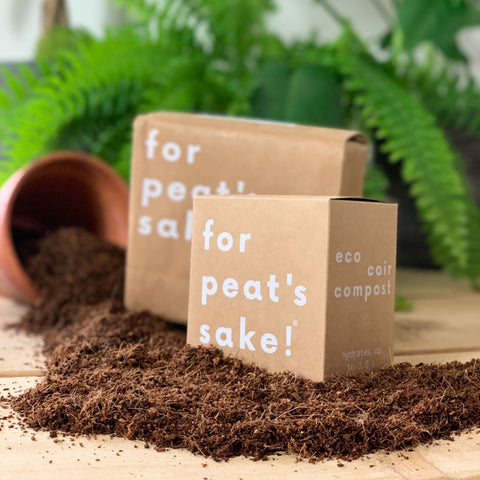
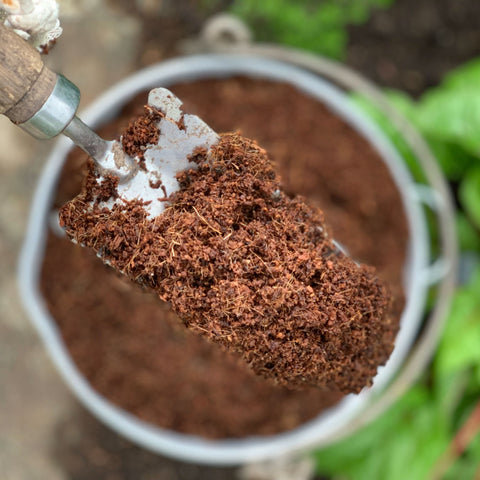
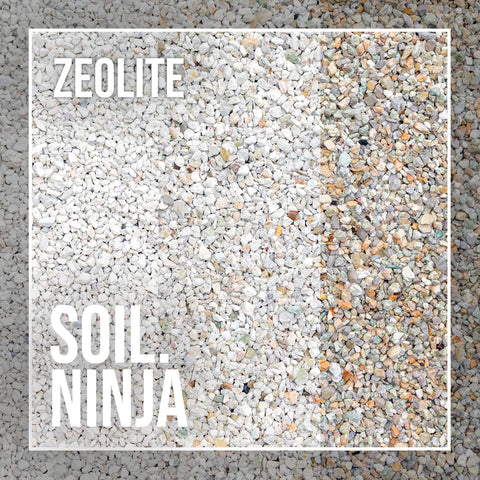
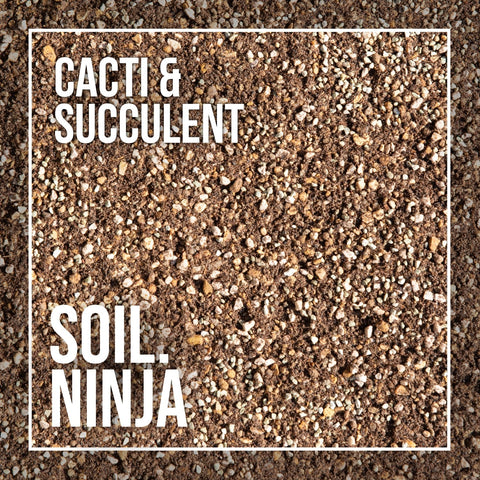
Use a mix that retains moisture well; components like coir, perlite and bark will ensure this, and adding some sand and zeolite will help it to drain extra water away. A mix designed for Ficus plants will work well here.
Food
Feed every four waters in the growing season, reduce to every six in autumn and winter.
Temperature
Ideal temperature is 18-26°C; make sure it does not get colder than 12°C in winter.
Pet-safe
No, this plant is toxic to pets and small humans.
Sprouts Top Tips
When they aren't happy, weeping figs can be prone to dropping their leaves. There are a few reasons this could happen, though, so it's important not to misunderstand:
If you've just bought it, your plant may just be distressed at moving; give it time to get used to its new surroundings.
If it's somewhere very shady, try moving it somewhere brighter; in darker locations your plant will get upset and drop leaves. Make sure you can comfortably read by the natural light around your plant.
Finally, make sure you aren't leaving the plant sat in soggy soil; it can rot if it's left wet, preferring slightly damp soil and for the top to dry out before you water it again.