Zamia furfuracea - Cardboard Palm

Size
Regular price £54.00
This product is not available for pickup at any store

This palm-like plant is a cycad, meaning it bears cones, and in the wild it grows around the Gulf of Mexico, particularly in rocky mountains and cliffs along the coast. In your home, it will appreciate plenty of light, and can even deal with direct sun, which will help its broad branches keep bearing those lovely mid-green leaves. This plant's branches grow from a central wooded stem, and bear two rows of oval, upwards-facing leaves. This makes it an unusual leafy plant that likes a spot with direct sun! Make sure not to overwater, as Zamias can be prone to rot if they are too wet, and give this plant plenty of light and it will reward your care with branches of lovely foliage; at their largest, these plants can grow over a metre tall and up to two metres wide. From this smaller plant you can grow it into a true statement plant for your home.

Scientific Name
Zamia furfuracea (zamia plant with scaly leaves)

Common Name
Cardboard Palm, Cardboard Plant, Cardboard Cycad, Cardboard Sago, Jamaican Sago, Mexican Cycad, Ball Palm, Broad-Leaved Zamia

Origin
This plant is endemic to coastal mountains and cliffs in Veracruz, Mexico

Light
Your Zamia will do best in a brightly-lit spot with a few hours of direct sun per day. Putting these in a bright spot also helps them to not get overwatered.

Water
Let three quarters of the soil dry out before you water your Zamia next; the pot should start to feel lighter, or you can measure with a wooden chopstick or skewer. This plant will appreciate you using rainwater if possible; make sure water is lukewarm before giving it to your plant as cold water can shock the plant.

Humidity
Fine with average household humidity, but keep away from operating radiators and draughts which can dry it out. If you notice browning leaf tips, a humidity tray can help mitigate this, especially in autumn and winter when the heating is on.

Soil
It is important the the soil you use for your Zamia drains well; a mix like those designed for cacti and succulents, with added sand and grit, will work well here. Repot every few years in spring.

Food
Feed monthly throughout the year; both houseplant and cactus feeds will work well, just make sure you water ahead of when you feed to avoid the risk of root burn to your plant.

Temperature
Likes temperatures of 15-30°C; don't let it get below 8°C in winter.

Pet-safe
No, this plant is toxic to pets and small humans.

Sprouts Top Tips
It's a good idea to check your plant's root health when you repot. Zamia can be prone to root rot, so if you spot any squishy, brown roots, snip them off with a clean blade; removing damaged areas should help the undamages roots to grow.


    Check out The Sprouts Blog

    Sprouts insights to house plants, gardening, our favourite brands and plant hire case studies.
    We’re Growing – Welcome to Sprouts HQ! - Sprouts of Bristol
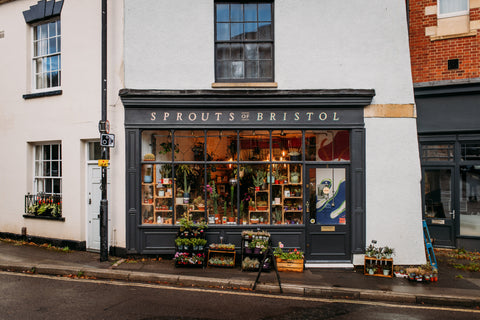
    Sprouts of Bristol is expanding with the launch of Sprouts HQ – a new South Bristol premises that will house a dedicated packing space for online orders, an office, studio, and more room for rare and exciting plants. While the Kingsdown shop remains open as usual, the new HQ allows Sprouts to grow behind the scenes and offer even better service both in-store and online. This blog post shares the story behind the move, what customers can expect, and how to keep supporting this independent plant shop through the transition.
    Jessy EdgarAugust 15, 2025
    Terrarium & Wreath Workshops in Bristol – Autumn & Winter 2025 - Sprouts of Bristol
    Join Sprouts of Bristol for terrarium, kokedama, and Christmas wreath workshops this autumn–winter. Creative, plant-filled fun in the heart of Bristol!
    Jessy EdgarAugust 5, 2025
    Build Your Own Terrarium: A Step-by-Step Guide from Sprouts - Sprouts of Bristol
    Fancy creating your own tiny, self-contained world of green? Our DIY terrarium kits are the...
    Jessy EdgarJuly 20, 2025