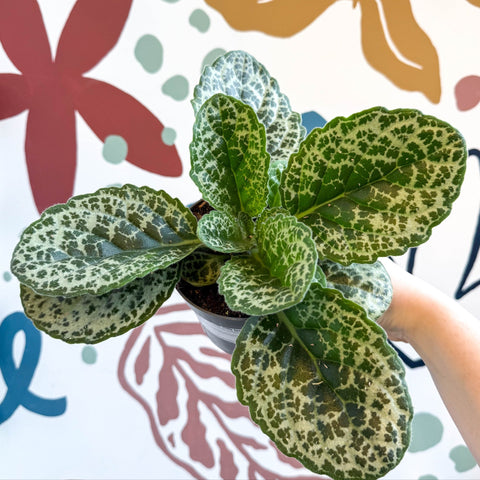
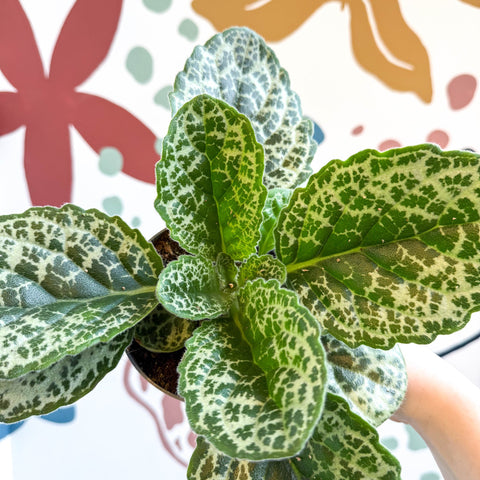
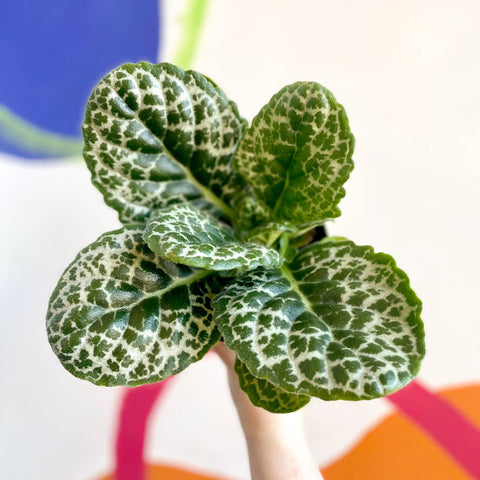
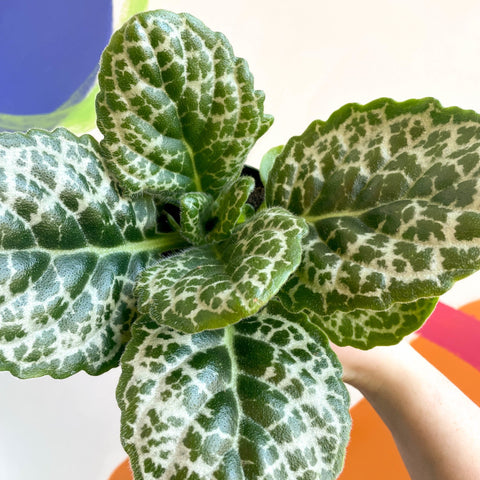
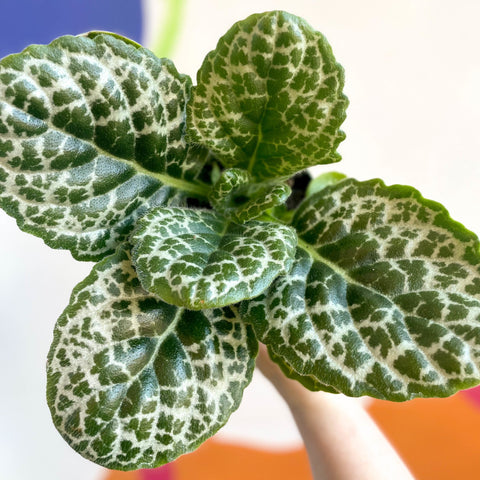
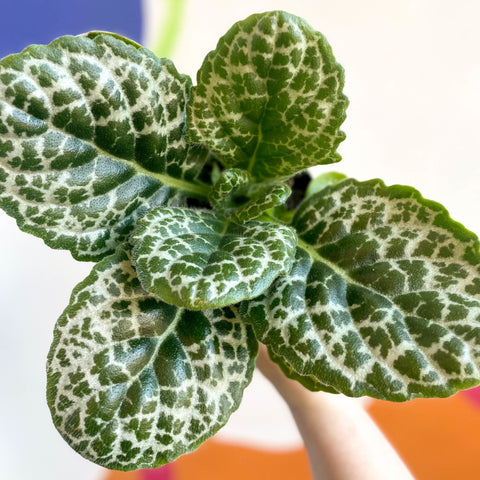
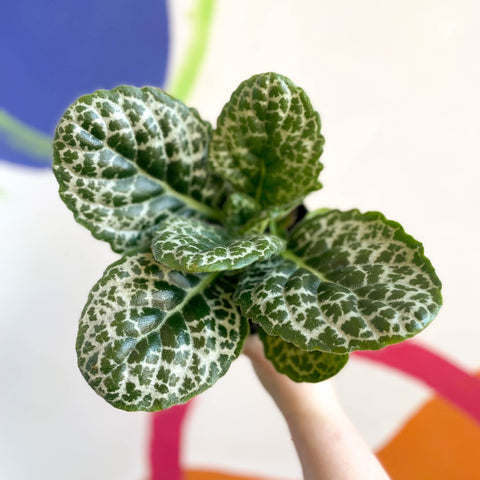
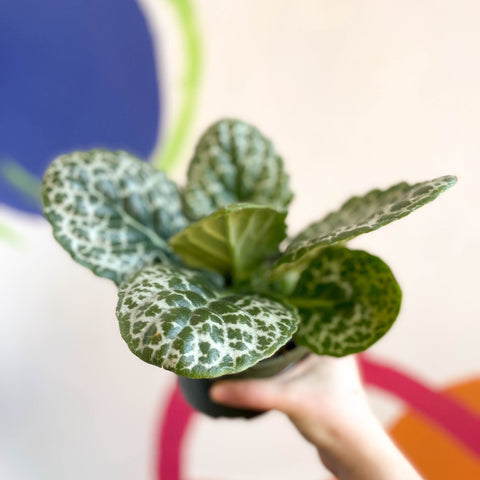
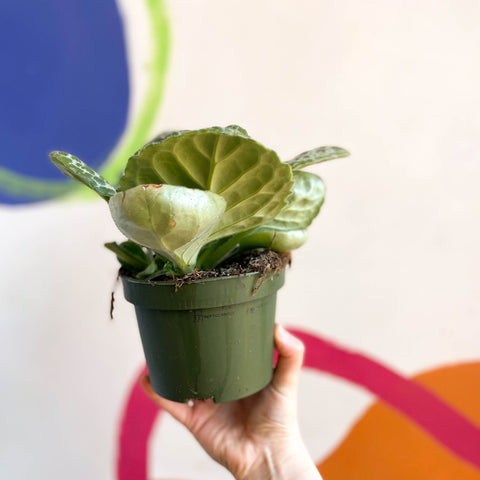
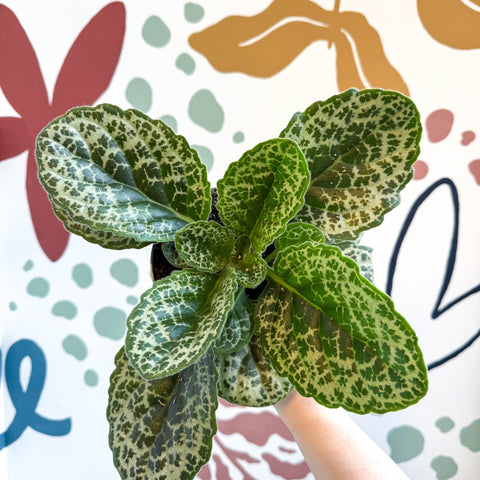
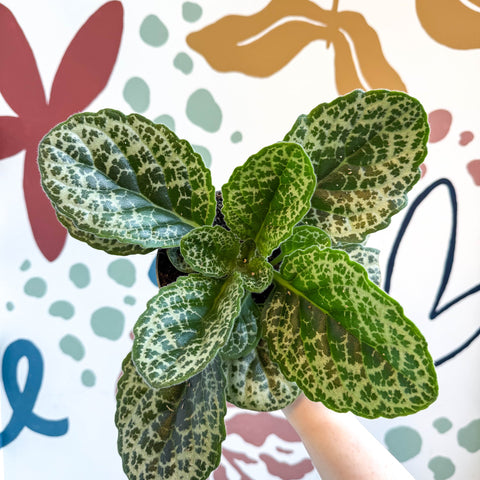
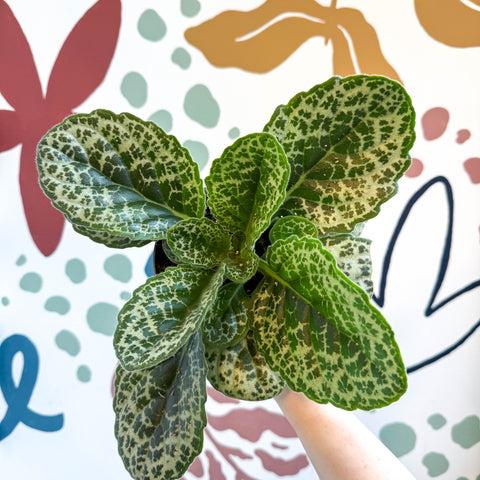
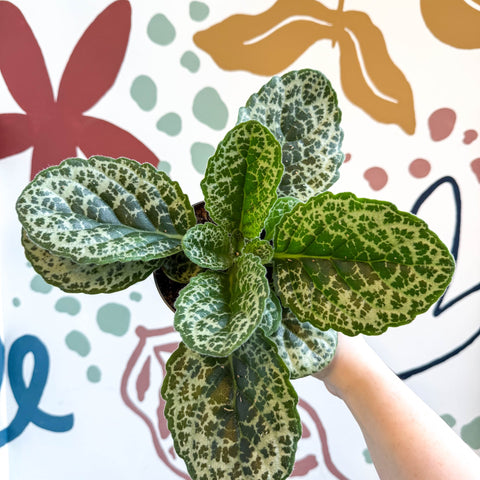
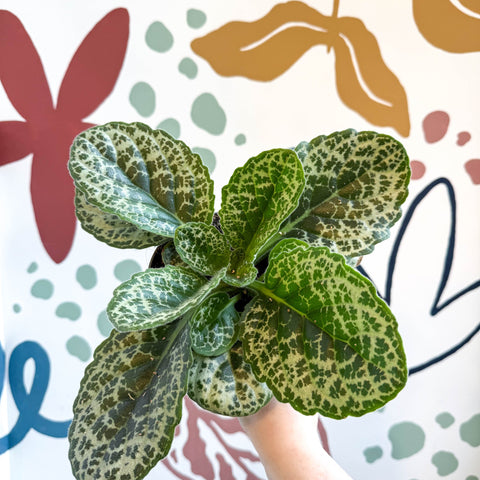
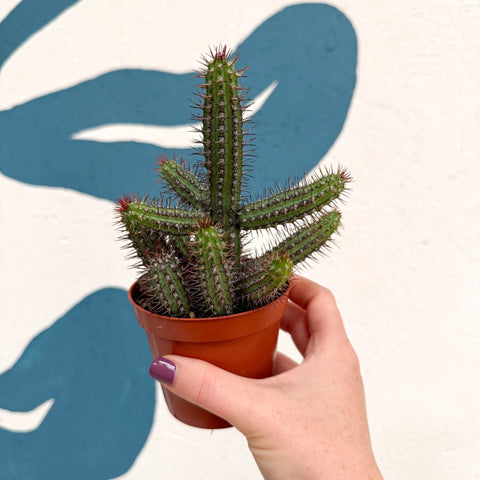
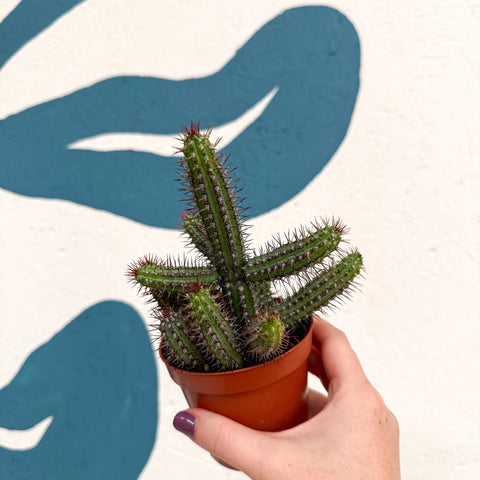
Primulina dryas ‘Pretty Turtle’, commonly known as the Pretty Turtle Plant, is a charming houseplant admired for its thick, fuzzy leaves adorned with a distinctive turtle-shell pattern of green and silver veins. Native to Africa and Madagascar, this plant adds a unique touch to any indoor plant collection.
Scientific Name
Primulina dryas ‘Pretty Turtle’
This plant is also referred to as Streptocarpus ‘Pretty Turtle’ in some classifications.
Common Name(s)
Pretty Turtle Plant, Streptocarpus ‘Pretty Turtle’
Origin
Native to Africa and Madagascar, thriving in rocky landscapes.
Light
Prefers bright, indirect light. Avoid direct sunlight, which can scorch the leaves. An east or west-facing windowsill is ideal.
Water
Keep the soil consistently moist but not waterlogged. Allow the top inch of soil to dry out between waterings to prevent root rot. Bottom watering is recommended to avoid wetting the leaves, which can lead to fungal issues. Place the pot in a tray of water and allow the soil to wick up moisture until saturated.
Humidity
Prefers higher humidity levels. Regular misting or placing the plant on a tray of moist pebbles can help maintain humidity. Avoid placing near drafts or heating vents.
Soil
Requires well-draining soil. A mix designed for African violets works well. Repot in spring if the plant outgrows its current pot.
Food
Feed every 4–6 weeks during the growing season (spring to early autumn) with a balanced, water-soluble fertilizer diluted to half strength. Do not fertilize during the winter months when growth slows.
Temperature
Prefers temperatures between 18–24°C. Protect from cold drafts and avoid exposure to temperatures below 10°C.
Pet-safe
Yes, non-toxic to pets and humans.
Sprouts Top Tips
To promote flowering, provide bright, indirect light and maintain consistent moisture. Avoid getting water on the leaves to prevent leaf spot. Rotate the plant occasionally to encourage even growth.
Extras
This plant can produce delicate, trumpet-shaped flowers in shades of lavender, adding to its ornamental appeal.
Did You Know?
The unique pattern on its leaves resembles a turtle’s shell, which is how it earned the name ‘Pretty Turtle’. Despite its exotic appearance, it’s a resilient plant that adapts well to indoor conditions.