

Ledebouria socialis - Silver Squill
Buy with confidence
Everything we do is designed to get your order to you safely and happily.
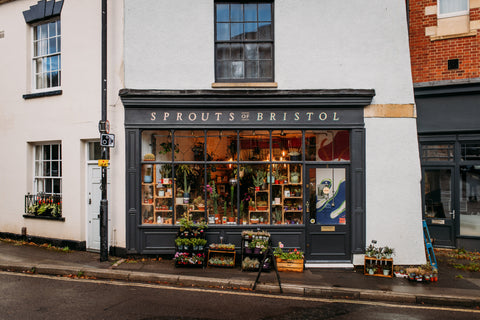
🌿 Packed with care in Bristol, UK
⭐ Loved by thousands of happy Sprouts customers
📦 Royal Mail Tracked delivery
💚 Independent & Real Living Wage Employer
Add a Pot & Care Essentials
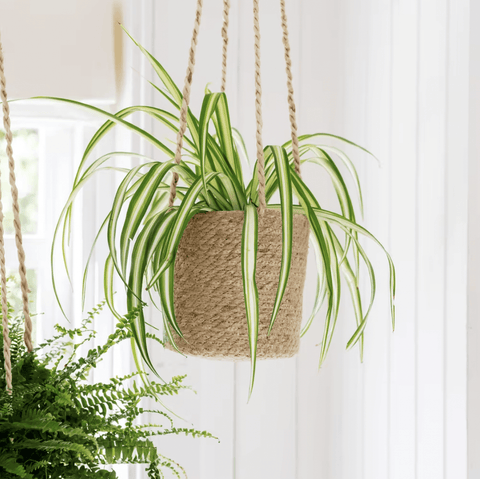
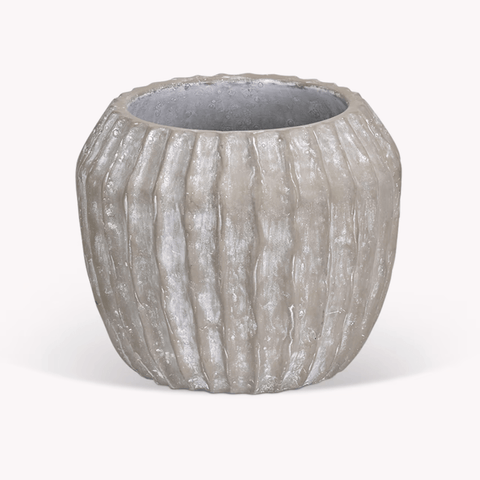
Most customers add a pot or soil when purchasing this plant.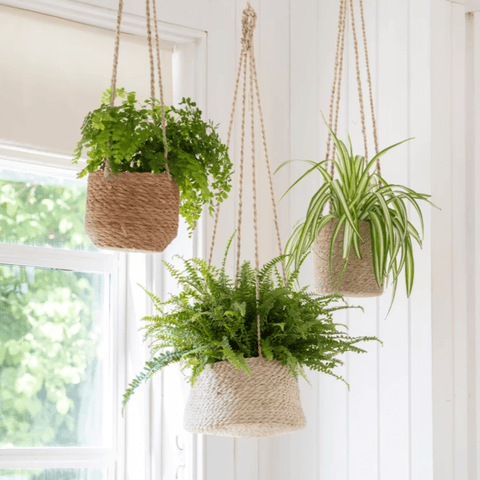


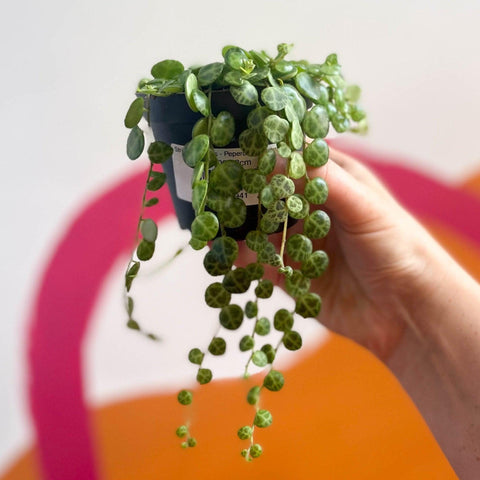






Customers praised this unusual Silver Squill for its attractive leopard print markings and low maintenance care. Reviews highlight "fantastic communication," excellent packaging, and plants arriving "in perfect condition." Shoppers noted the plant is "easy to look after" and grows well when repotted. All reviews were 5-star ratings.
Could not fault them. They got in contact and arranged delivery when the weather wasn't as scorching. Plant arrived today and it's fantastic. Will 100% use again and highly recommend.
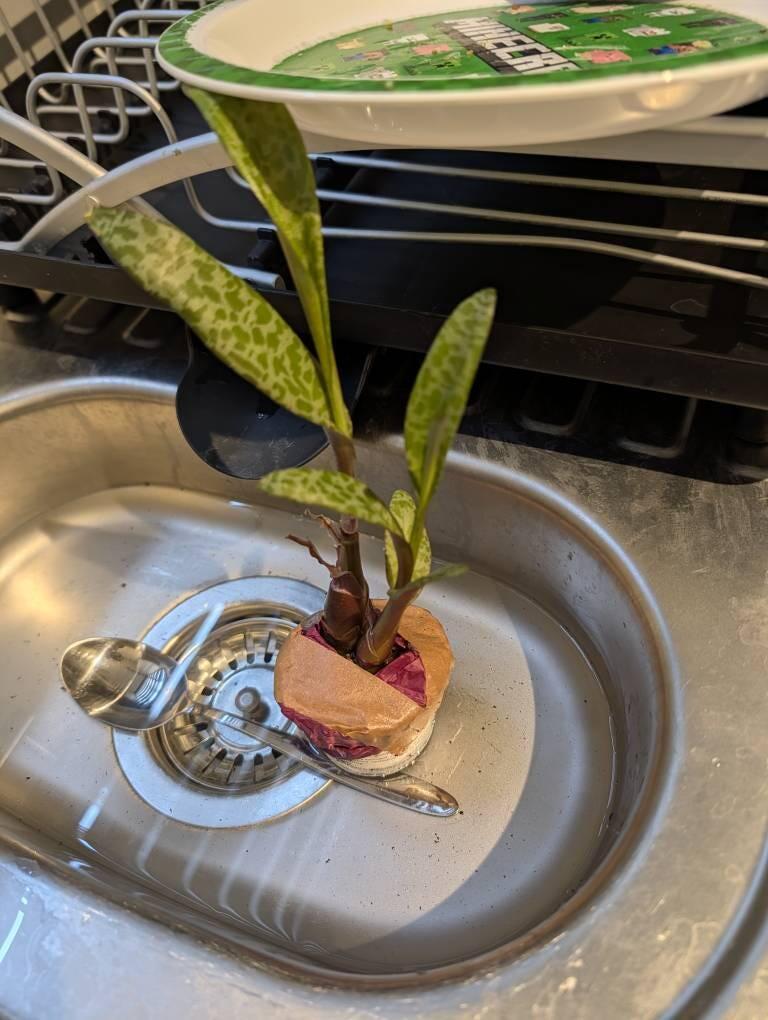
Fantastic communication, arrived in perfect condition...will definitely use again!
Really unusual plant. Came with a good amount of greenery, really well packaged. Very pleased again with your service as well as choice and quality of your plants
Another impulse buy when visiting
I love this plant so much!!!
I saw a photo of this plant when it was larger and established and fell in love! I bought the baby plant version and repotted it into a bigger pot and it's already starting to get bigger and spread out. It has the prettiest silver markings and is easy to look after.