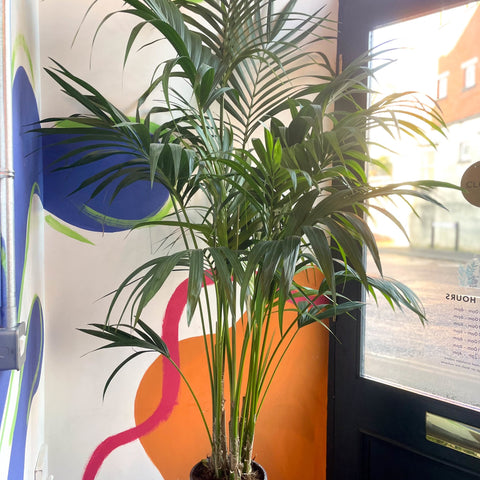
These majestic palms look great as a statement plant in your living room, office or hallway. Popularised in the Victorian era, it's easy to see why these plants caught on. Not too high maintenance whilst being showy and impressive, these are the quintessential standing houseplant. The Kentia Palm can take a little more light than a Parlour Palm, but still prefers mostly indirect light, and it will appreciate not being left to dry out entirely. These plants can happily grow inside for years; they reach maturity after about 25 years and can reach 3m (9ft) tall!
Scientific Name
Howea forsteriana (Howe's plant, Forster's species)
This plant has also been named Kentia forsteriana, but has had its current name, H. forsteriana, since 1877.
Common Name
Kentia Palm, Thatch Palm, Palm Court Palm
Origin
This plant is endemic to (only grows wild in) Lord Howe Island, Australia.
Light
Keep this plant out of strong sunlight, but it will appreciate a bright spot and can take a few hours of morning or evening sun. In summer, watch out for it looking washed out as this will suggest it's getting too much light!
Water
Kentia Palms love not being thirsty. They only want the top third of the soil to dry out between waters, and also don't like cold water - so make sure you water them with lukewarm water rather than freezing cold!
Humidity
These palms do love humidity, but will be fine in most household situations. Make sure they aren't next to a radiator or in a draught that'll dry them out, and keep an eye out for brown, crispy leaf tips which hint to you that they are too dry.
Soil
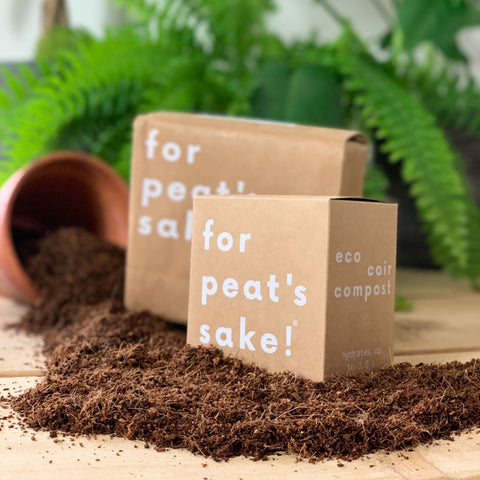
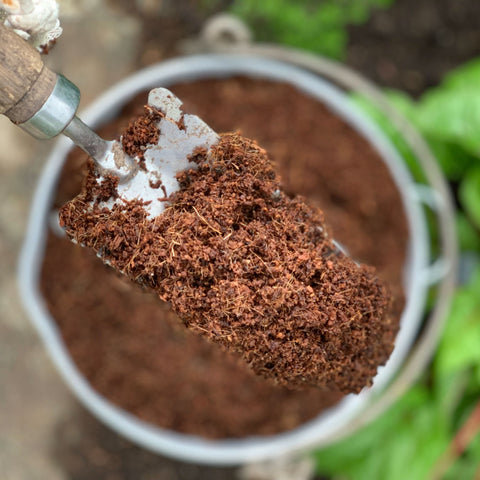
Use a loose, well-draining but moisture retentive soil. A mix with added coir, perlite and bark, such as a mix designed for Ficus pants, will work well here. Repot every few years in spring as the plant grows.
Food
Feed every four waters in the growing season, reduce to every six in autumn and winter.
Temperature
Ideal temperature is anywhere between 15-30°C (aim for the middle of this!); make sure it does not drop below 13°C in winter.
Pet-safe
Yes, but too much nibbling won't be good for pets, small humans or the plant!
Sprouts Top Tips
More shade = less water; more light = more water. This means if your plant is in a shady spot, you will have to water less frequently. If the plant is not growing and is rapidly losing older leaves, you may be drowning it. In a brighter spot, you might have the opposite issue; look out for crispy, brown and droopy leaves as a sign to give it more water. Take care when repotting as these plants may be prone to transplant shock; if your plant is leaning towards the light, it is probably not getting enough light, so if you want it to grow straighter, move it into the light!