Philodendron lacerum

Size
Regular price £24.00
This product is not available for pickup at any store

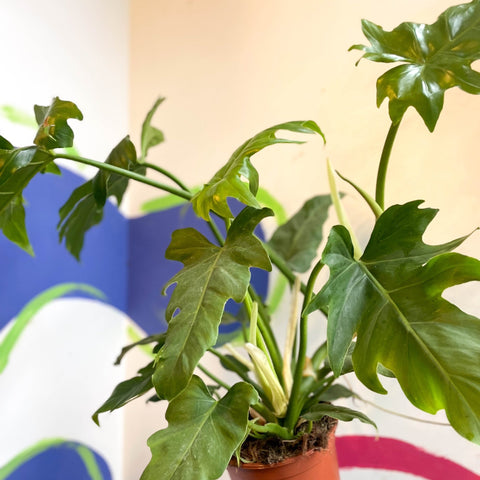
This striking philodendron stands out due to the unusual shape of its leaves. The scientific name, meaning 'fringed' points to the distinctive 'pinnate' formation of the leaves. Basically, this means it has lots of wibbly, finger-like bits round the edges - but stay with me, it really suits the plant! These bright green leaves can grow to be huge, and the plant with them to support leaves like fringed dinner plates. In the wild, Philodendrons climb up trees, but so far this one is strong enough to support itself standing, with an explosion of foliage as each leaf grows outwards from the central stem. Like loads of jazz hands. But green and funky. Give this one a place in your home with bright light but not too much sun, and don't forget to water it occasionally, and maybe you'll get even bigger leaves as it grows and thrives in your care.

Scientific Name
Philodendron lacerum (fringed tree-hugger)

Common Name
Toothed Philodendron

Origin
This Philodendron is found wild in the West Indies, including Cuba, Jamaica, Haiti and the Dominican Republic

Light
This plant will appreciate bright light, and will love most of it to be indirect. For best results, give it a couple of hours of morning or evening sun, which is beneficial without being bright enough to scorch.

Water
Only let the top third of the soil dry out between waters in spring and summer; let it dry out a little more over winter when it goes into a dormancy period.

Humidity
This rainforest plant loves humidity, so if you notice its leaves going brown and crispy at the edges, add a pebble tray to increase humidity around the plant.

Soil
A chunky soil which retains moisture well, such as one with elements like bark, coir and perlite, will work well here. Look for a soil mix designed for monstera or philodendrons.

Food
Feed every four waters in the growing season, reduce to every six in autumn and winter. Pre-water to protect the roots and avoid yellowing leaves.

Temperature
Average household temperatures of about 18-28°C are fine- try not to place somewhere where temperatures dip below 12°C for extended periods.

Pet-safe
No, this plant is toxic to pets and small humans.

Sprouts Top Tips
Don't use very cold water as this can shock the roots. If the new growth has very small leaves or there are large gaps between leaves, this is a sign the plant is not getting enough light.

Check out The Sprouts Blog

Sprouts insights to house plants, gardening, our favourite brands and plant hire case studies.
We’re Growing – Welcome to Sprouts HQ! - Sprouts of Bristol
Sprouts of Bristol is expanding with the launch of Sprouts HQ – a new South Bristol premises that will house a dedicated packing space for online orders, an office, studio, and more room for rare and exciting plants. While the Kingsdown shop remains open as usual, the new HQ allows Sprouts to grow behind the scenes and offer even better service both in-store and online. This blog post shares the story behind the move, what customers can expect, and how to keep supporting this independent plant shop through the transition.
Jessy EdgarAugust 15, 2025
Terrarium & Wreath Workshops in Bristol – Autumn & Winter 2025 - Sprouts of Bristol
Join Sprouts of Bristol for terrarium, kokedama, and Christmas wreath workshops this autumn–winter. Creative, plant-filled fun in the heart of Bristol!
Jessy EdgarAugust 5, 2025
Build Your Own Terrarium: A Step-by-Step Guide from Sprouts - Sprouts of Bristol
Fancy creating your own tiny, self-contained world of green? Our DIY terrarium kits are the...
Jessy EdgarJuly 20, 2025