
![Salvia officinalis 'Purpurea' - Purple Sage [UK Grown Culinary Herbs] - Sprouts of Bristol](http://sproutsofbristol.co.uk/cdn/shop/files/salvia-officinalis-purpurea-purple-sage-uk-grown-culinary-herbs-2913040.jpg?v=1752111275&width=480)
![Salvia officinalis 'Purpurea' - Purple Sage [UK Grown Culinary Herbs] - Sprouts of Bristol](http://sproutsofbristol.co.uk/cdn/shop/files/salvia-officinalis-purpurea-purple-sage-uk-grown-culinary-herbs-4419892.jpg?v=1752111277&width=480)
![Salvia officinalis 'Purpurea' - Purple Sage [UK Grown Culinary Herbs] - Sprouts of Bristol](http://sproutsofbristol.co.uk/cdn/shop/files/salvia-officinalis-purpurea-purple-sage-uk-grown-culinary-herbs-3812692.jpg?v=1752111278&width=480)
![Salvia officinalis 'Purpurea' - Purple Sage [UK Grown Culinary Herbs] - Sprouts of Bristol](http://sproutsofbristol.co.uk/cdn/shop/files/salvia-officinalis-purpurea-purple-sage-uk-grown-culinary-herbs-3713385.jpg?v=1752111276&width=480)
![Salvia officinalis 'Purpurea' - Purple Sage [UK Grown Culinary Herbs] - Sprouts of Bristol](http://sproutsofbristol.co.uk/cdn/shop/files/salvia-officinalis-purpurea-purple-sage-uk-grown-culinary-herbs-3566301.jpg?v=1752111277&width=480)
![Salvia officinalis 'Purpurea' - Purple Sage [UK Grown Culinary Herbs] - Sprouts of Bristol](http://sproutsofbristol.co.uk/cdn/shop/files/salvia-officinalis-purpurea-purple-sage-uk-grown-culinary-herbs-3695424.jpg?v=1752111278&width=480)
![Salvia officinalis 'Purpurea' - Purple Sage [UK Grown Culinary Herbs] - Sprouts of Bristol](http://sproutsofbristol.co.uk/cdn/shop/files/salvia-officinalis-purpurea-purple-sage-uk-grown-culinary-herbs-1441982.jpg?v=1752111279&width=480)
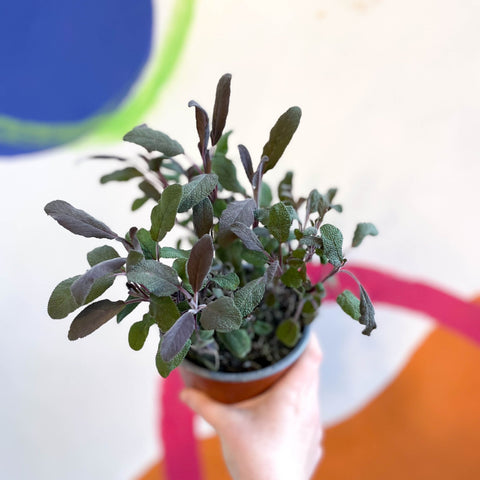
Salvia officinalis 'Purpurea' - Purple Sage [UK Grown Culinary Herbs]
Buy with confidence
Everything we do is designed to get your order to you safely and happily.
🌿 Packed with care in Bristol, UK
⭐ Loved by thousands of happy Sprouts customers
📦 Royal Mail Tracked delivery
💚 Independent & Real Living Wage Employer

Size
Price:
£5.00
Salvia officinalis 'Purpurea' - Purple Sage [UK Grown Culinary Herbs]
From £5.00