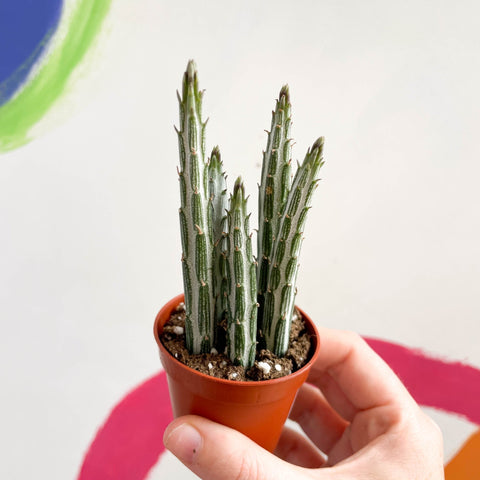
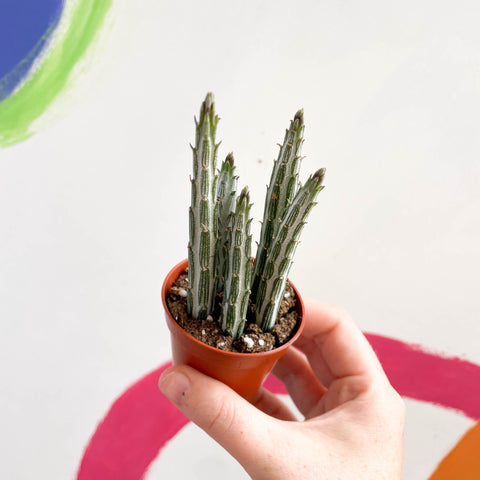
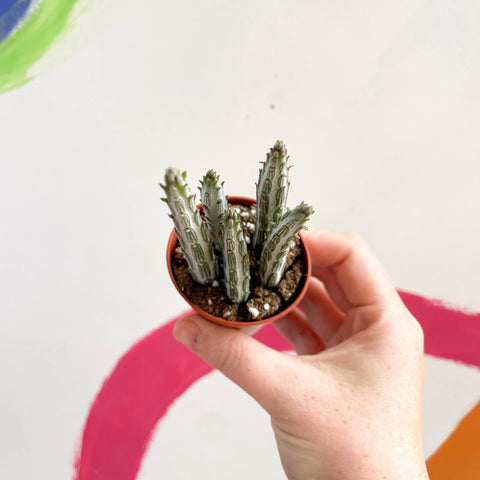
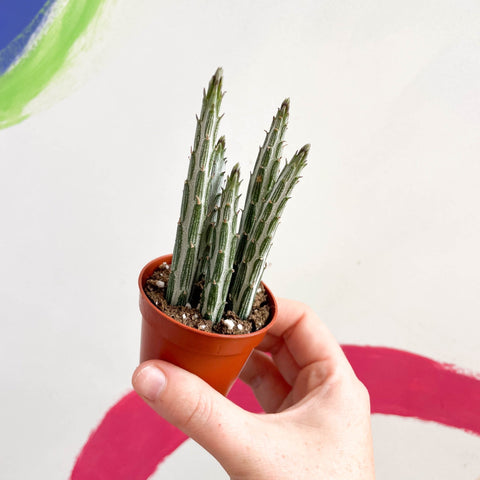
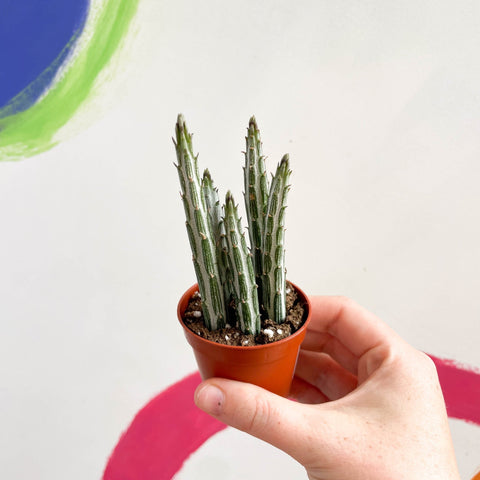
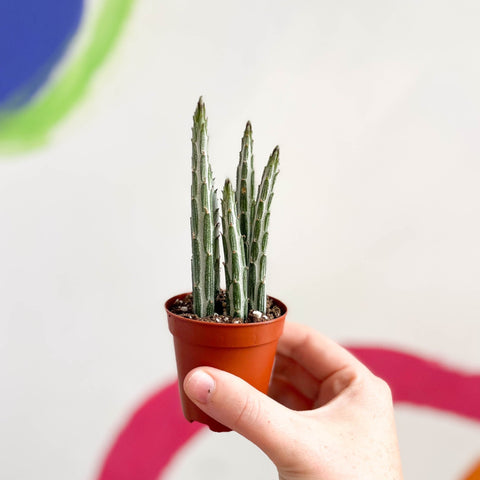
Stapelia stapeliiformis - Candle Plant
Buy with confidence
Everything we do is designed to get your order to you safely and happily.
🌿 Packed with care in Bristol, UK
⭐ Loved by thousands of happy Sprouts customers
📦 Royal Mail Tracked delivery
💚 Independent & Real Living Wage Employer
Add a Pot & Care Essentials
Most customers add a pot or soil when purchasing this plant.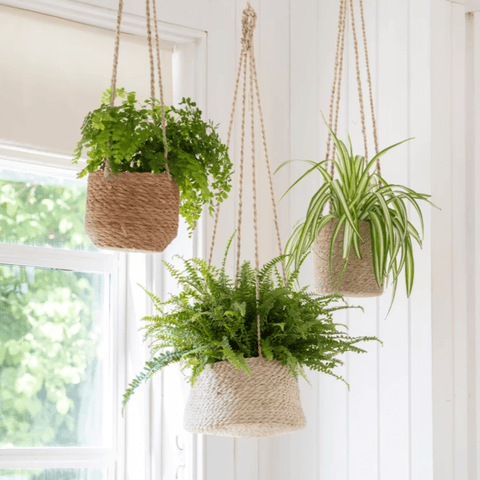


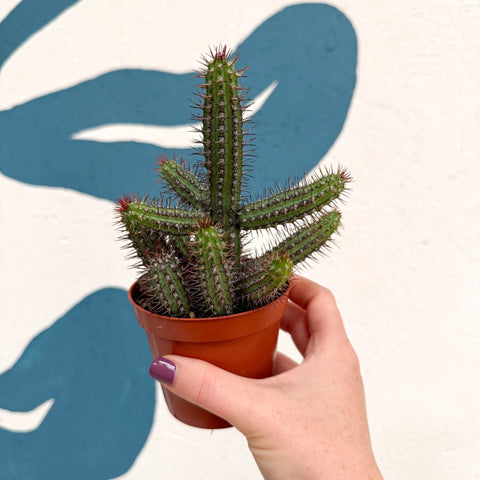
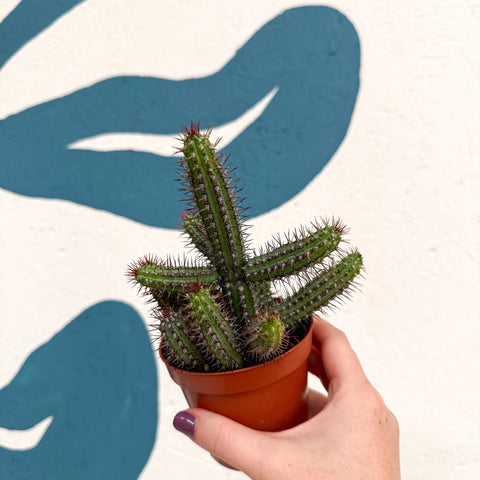





Customers praised this healthy succulent for arriving in "perfect condition" despite shipping. The plant was "well-packed," with shoppers noting it was "often bigger than expected." Reviews highlighted "careful customer service" and the plant's ability to flourish quickly. All customers gave 5-star ratings.
I was eyeing this up when they were in Sprouts a year ago and missed out on them so had to get one this time. I planted it up with plants with similar care and I'm exited to see them all fill out together.
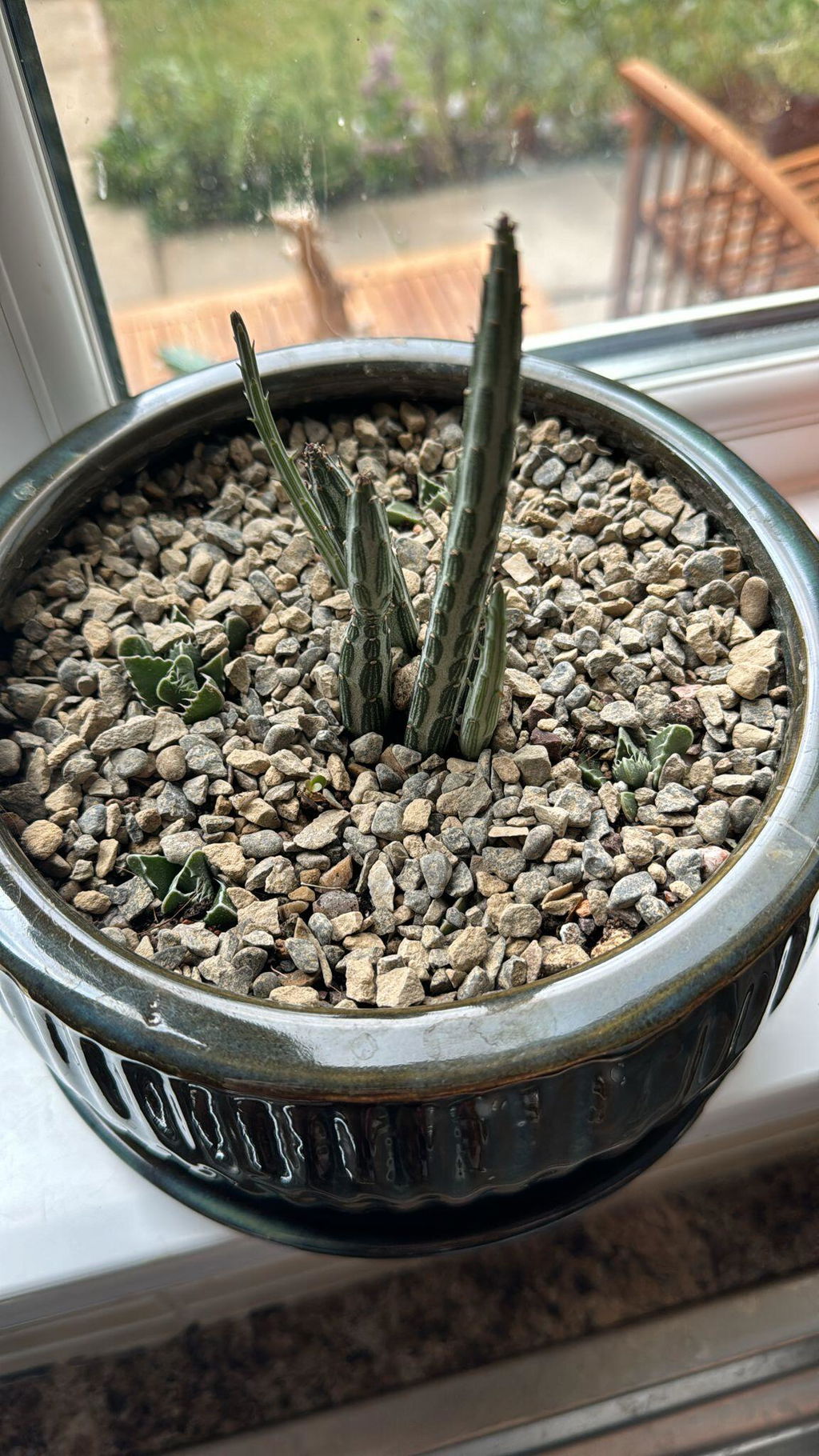
Healthy and doing very well in its new home despite a bumpy bike ride home!
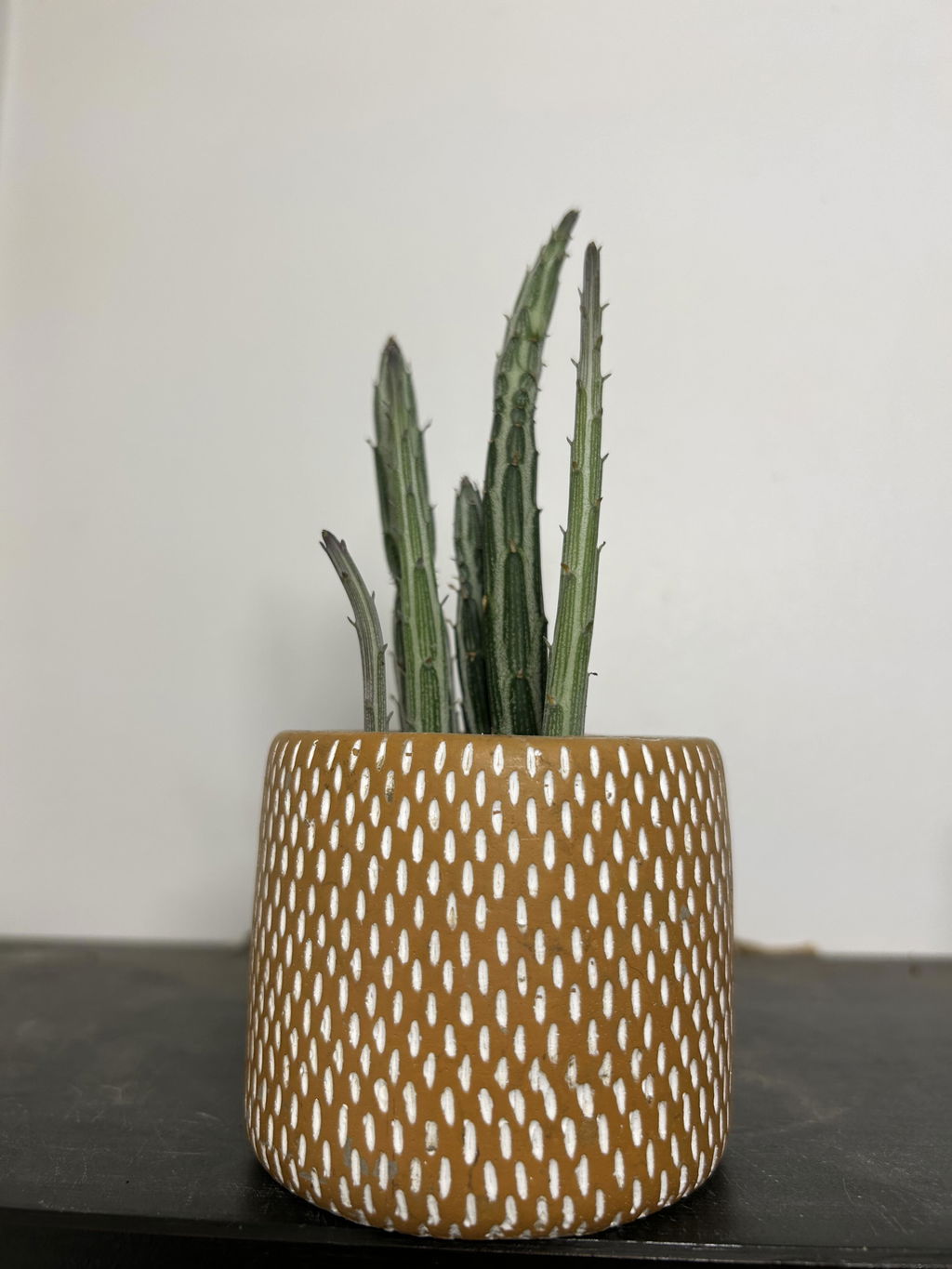
I’m really happy with the plants I received! 🌿 They arrived well-packed and in great condition, especially considering they had to travel through the post. The plants were healthy, fresh, and even better than I expected.
You can really tell that the plants were carefully selected and packed with care. I’m very pleased with my order and would definitely recommend this seller to other plant lovers. I’ll happily order again!
A wonderful cacti, just as shown and expected in good condition and so carefully packed, now a stunning member of my cacti garden.
Thoughtful and careful customer service, thank you. Very pleased to recommend.
Interesting, healthy plant which was well packaged.
Has been flourishing within days of purchase!
Lovely healthy Candle Plant from Spouts of Bristol! 🌵 Arrived on time, very well packaged, and in perfect condition. Highly recommend this seller!
Perfect service from start to finish! This was another purchase from this shop, all plants are always in great condition, often bigger than expected and wrapped extremally well - nothing can happen! My favourite plant shop for sure
I purchased this to add to my husbands "Marsarrium." It is a lovely, healthy little plant and will look right at home on 'mars' - a little artistic licence adding plants to a mars scape goes a long way :)
Lovely seller :)