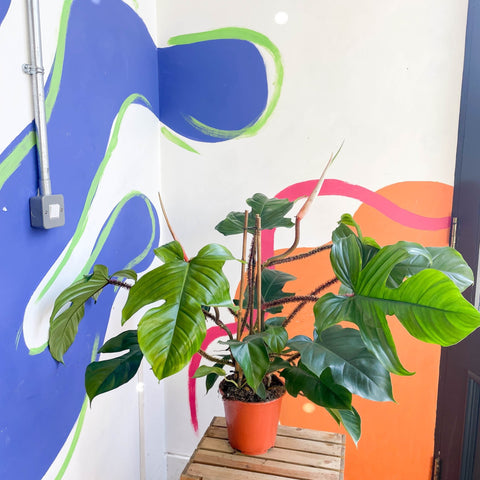
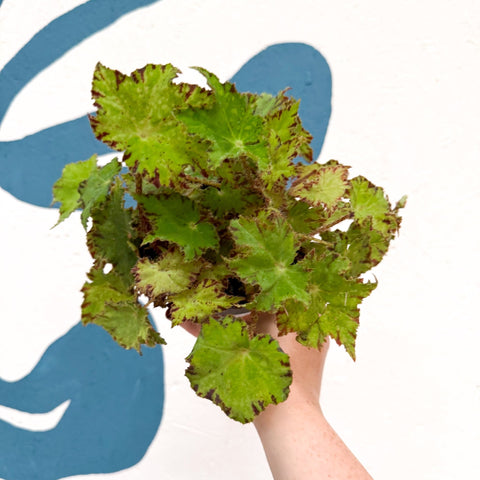
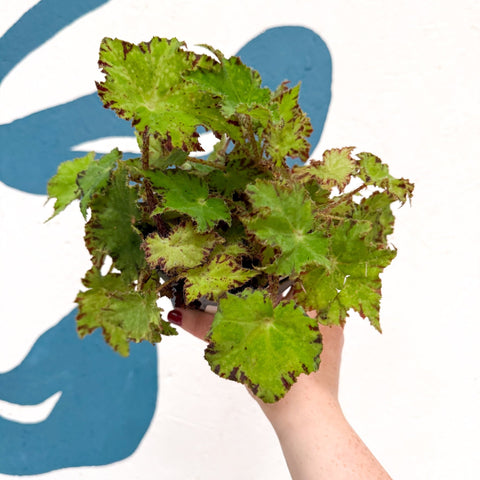
This striking and unusual houseplant stands out thanks to its fluffy stems, and the distinctive shape of its mid-green leaves. These leaves are shaped a little like hands, with five finger-like blobs making up each leaf. These all grow from a central point, and their stems are a deep red colour, contrasting with the leaves, and covered in hair-like structures which give it a somewhat fluffy appearance. Bring a piece of the jungle into your home with this fascinating plant - it will love a spot out of direct sun, and as a favourite of collectors will bring a dash of class to your houseplant collection.
Scientific Name
Philodendron squamiferum (scale-bearing tree-lover)
Synonyms: Philodendron aceriferum, Philodendron crinipes, Philodendron crinitum
The name of this philodendron was first published in an 1845 paper.
Common Name
Red Bristle Philodendron, Hairy Philodendron
Origin
Native to South America, this plant grows in rainforests in Northern Brazil, French Guiana and Suriname.
Light
In its natural habitat, this plant grows with the tree canopy between it and the sun - it's bright in there, but it isn't used to direct sun, which can scorch the leaves. It can stand slightly shadier spots but will grow more slowly there.
Water
Will like consistent moisture but doesn't want to be waterlogged. Make sure the top inch or so of soil has started to dry before you water again.
Humidity
Adapted to tropical rainforests, this plant loves a bit of humidity. Ideally, above 60% humidity. It can adapt to normal household conditions, but if you notice crispy brown patches on the tips of the leaves, it might be useful to introduce a pebble tray to increase humidity around the plant.
Soil
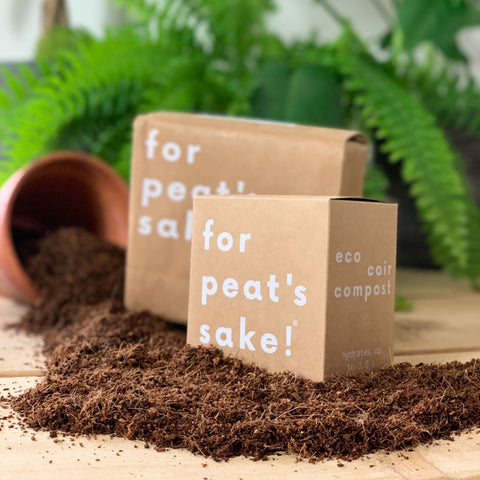
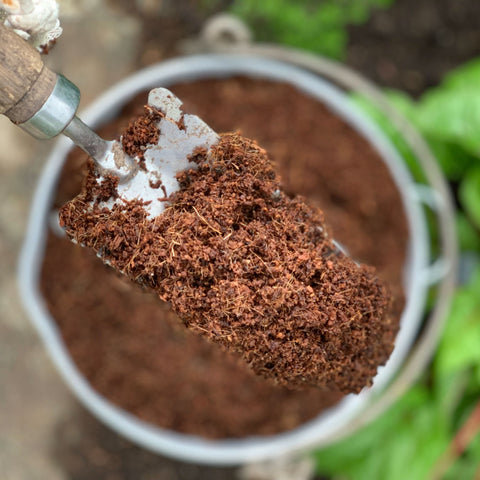
Use a chunky, well-draining soil mix; one with added bark, perlite and coir will work well here - look out for mixes designed for Philodendrons, Monstera or other similar epiphytes. Repot every two years as your plant grows.
Food
Feed every four waters in summer, reduce to every six in autumn and winter. A balanced liquid feed designed for houseplants will work well here.
Temperature
Average household temperatures of about 18-28° are fine- try not to place somewhere where temperatures dip below 12°C for extended periods.
Pet-safe
No, this plant is toxic to pets and small humans.
Sprouts Top Tips
This plant is a natural climber! Provide a moss pole or support to encourage larger leaves and a more mature growth habit.
Water with tepid rather than cold water to avoid shocking the plant. Rotate it now and then to promote even growth. Avoid draughty spots.