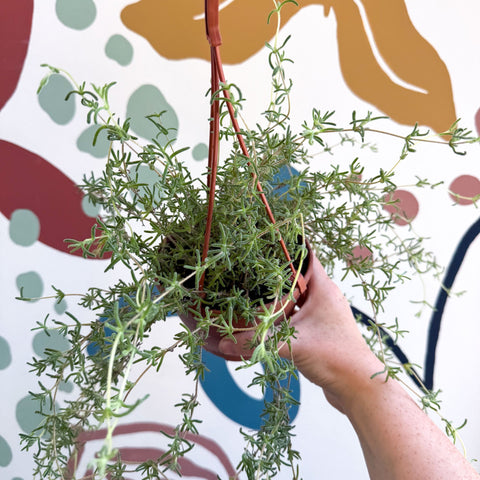
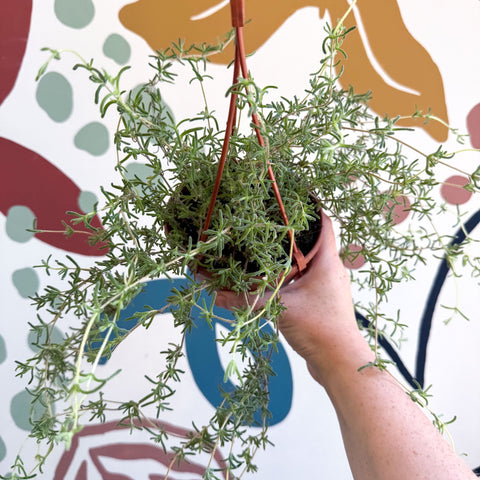
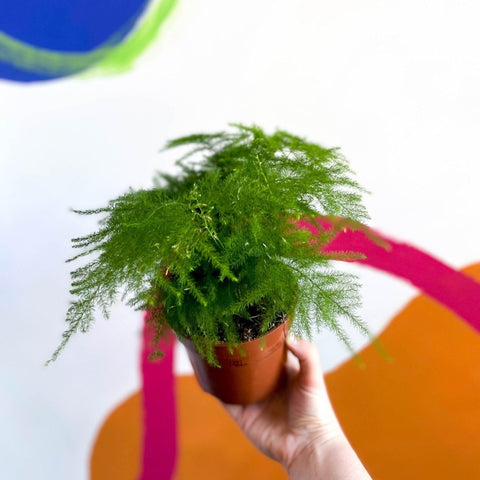
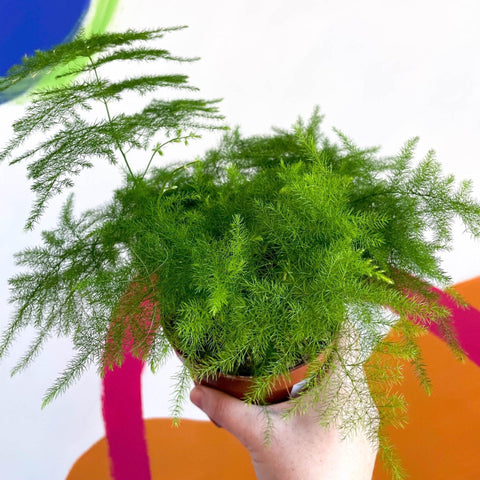
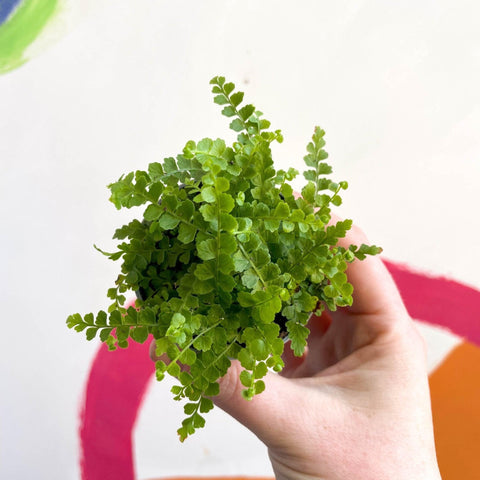
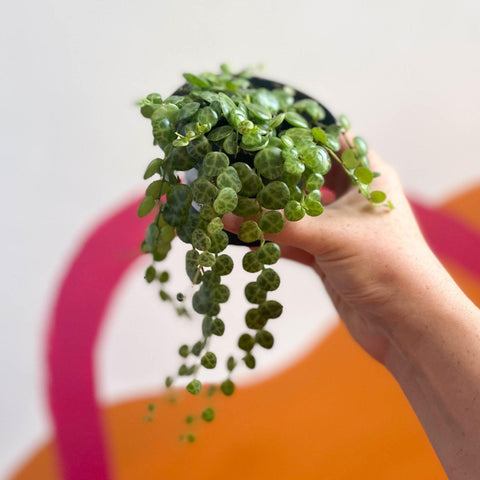
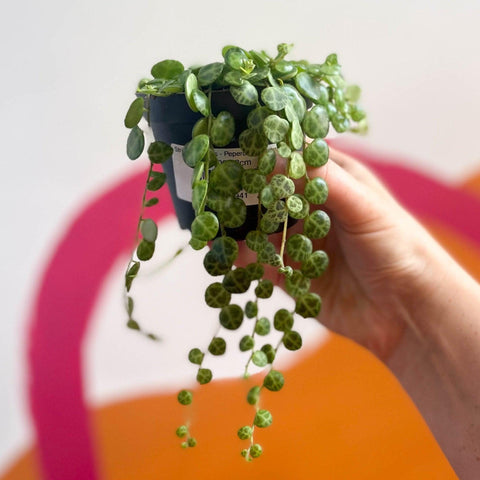
This whimsical succulent is named for its trailing stems dotted with tiny, silvery-green, star-shaped leaves. A cultivar of the popular Senecio genus, ‘Twinkle Little Star’ brings soft texture and charm to shelves or hanging pots. The leaves often develop a subtle powdery coating (called farina), which helps protect the plant from sun and water loss, and adds a soft, frosted look to its foliage.
Scientific Name
Senecio ‘Twinkle Little Star’ (from Latin senex, meaning “old man”, in reference to the genus’ downy seeds)
Part of the Senecio genus, which includes both succulent and non-succulent species. The genus has undergone multiple reclassifications, with some species moved to Curio – though this cultivar is still widely listed under Senecio in cultivation.
Common Names
String of Stars, Twinkle Little Star Plant, Star Senecio
Origin
Cultivar; derived from species native to southern Africa
Light
Prefers bright, indirect light and can tolerate some morning or late afternoon sun. Avoid harsh midday rays, especially through glass, which can scorch the leaves.
Water
Water sparingly – allow the soil to dry out completely between waterings. In winter, reduce watering further as the plant enters a dormant period. Always use room-temperature water to avoid shocking the roots.
Humidity
Adapted to dry air – no need for added humidity. Keep away from steamy rooms like bathrooms or kitchens where excess moisture can cause rot.
Soil
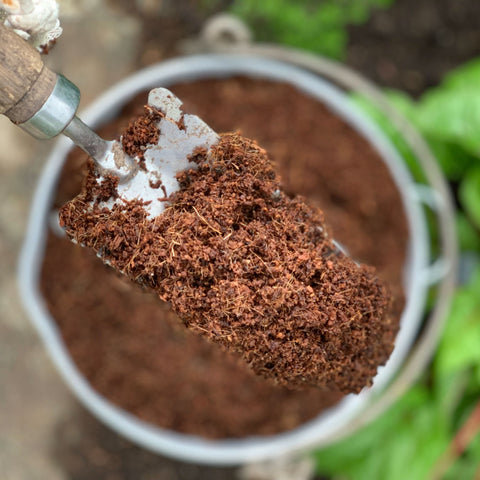
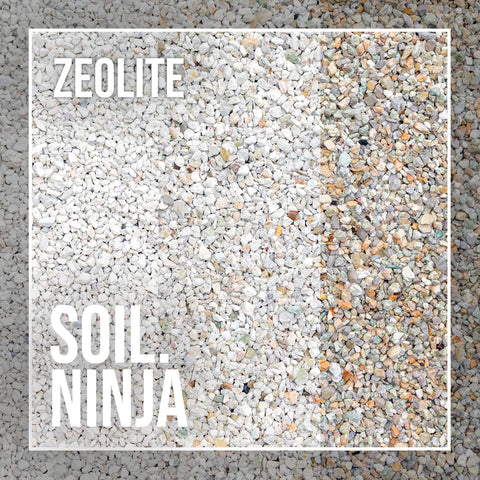
Requires very free-draining soil. Use a cactus or succulent mix, or amend regular potting soil with grit, sand or perlite to ensure sharp drainage. Repot every 2–3 years in spring.
Food
Feed once a month in the growing season (spring to early autumn) with a diluted cactus or succulent fertiliser. Do not feed in winter.
Temp
Thrives in temperatures between 15–24°C. Protect from cold draughts and do not expose to temperatures below 10°C.
Pet-safe
Toxic if ingested – keep out of reach of pets and children.
Sprouts Top Tips
Avoid splashing the leaves when watering – their powdery coating is easily damaged, and excess moisture can cause rot. Bottom watering is ideal for this plant.
Extras
Like many trailing succulents, this plant can be easily propagated from stem cuttings. Simply allow the cut end to callous before placing in dry soil to root.
Did You Know?
The ‘stars’ in its name refer to the distinctive leaf shape – pointed and slightly elongated, like a stylised star – making it a charming option for festive displays or year-round sparkle.