This Alocasia's bold, dark stems give it a striking appearance and help it stand out in any plant collection. The large, mid-green leaves are a glossy texture with the distinctive, curved arrowhead shape characteristic of the genus. With its enigmatic shapes and tall, upright growth habit, this Alocasia will really make a statement in your home. A favourite for collectors, it's easy to see why this might be a popular choice. Keep this plant cosy, warm and humid and it will reward you with plenty more of its distinctive leaves and stems.
Scientific Name
Alocasia macrorrhiza 'Black Cobra' (not-colocasia with big roots)
Synonyms: Arum macrorrhizon, Caladium macrorrhizon, Colocasia macrorrhizos
This plant is likely a hybrid with or cultivar of the species given. A. macrorrhiza was published as a species name in 1839.
Common Name
Black Cobra Alocasia, Black Jewel Elephant Ear, Black Jewel Alocasia
Origin
Originating in Oceania, this plant is native to Northeastern Australia, the Bismarck Archipelago, Borneo, Maluku, New Guinea, the Philippines, Solomon Islands and Sulawesi
Light
Make sure this plant's location is bright during the daytime; avoid direct midday or afternoon sun, which can scorch it, but a spot of morning or evening sun will be helpful, especially in autumn and winter.
Water
Let the top third of the soil dry between waters; water less in autumn and winter.
Humidity
Alocasias do best in moderate humidity; a pebble tray to increase local humidity will be useful in drier areas, or while radiators or fans are operating.
Soil
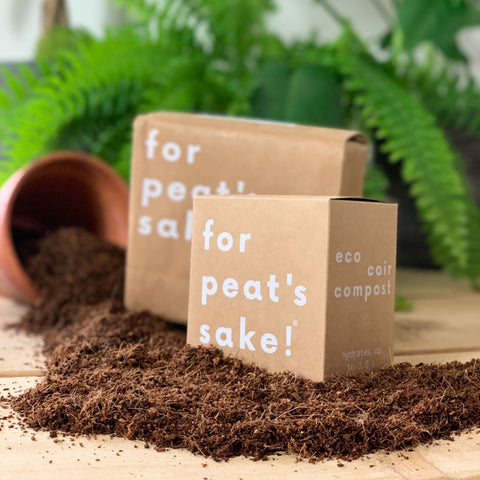
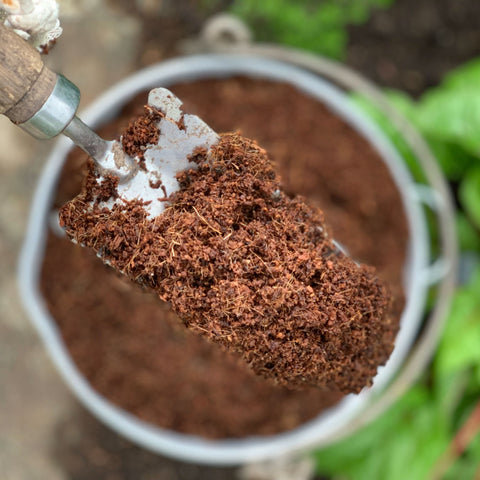
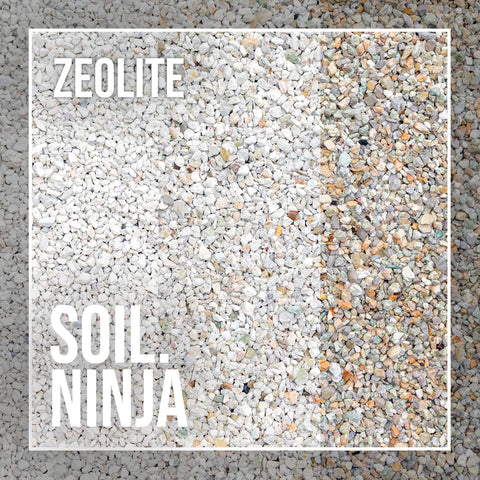
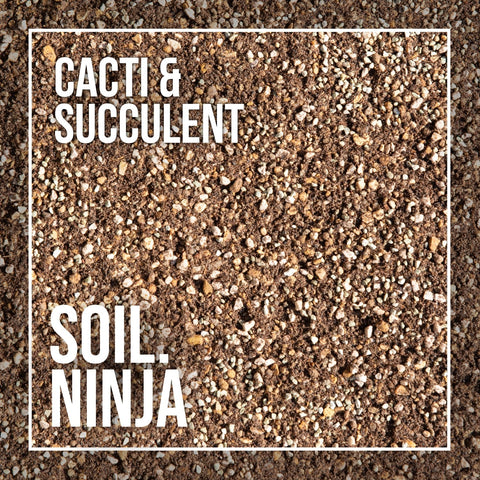
Use a blend with plenty of moisture-retentive elements like coir and vermiculite while allowing oxygen to the roots, with elements like bark or zeolite. A mix designed for Alocasias would be ideal. Repot every two years in spring, and make sure to water the day before to help the roots adapt.
Food
Feed your Alocasia every four waters while it's growing more in spring and summer, reduce to every six in autumn and winter.
Temperature
Happy in a range of temperatures between 10-30°C, your Alocasia will grow best between 18-30°C, and needs to not drop below 10°C suddenly or for long periods.
Pet-safe
No, this plant is toxic to pets and small humans, so keep curious fingers and paws away.
Sprouts Top Tips
Rapidly-yellowing older leaves are a sign of too much water, so if you spot this, make sure you're allowing the soil to dry out a little before watering again. Too much water can cause your plant to rot.