These flowering perennials bring some bright spring cheer early in the year with red, violet-blue or white blooms. Hardy throughout most of the UK down to -15°C.
These bright flowers bloom early in the year, heralding spring with a touch of colour and cheer. Flowers come in violet-blue, red or white, and each has a striking dark centre, as if the flower is an eye gazing up at you. Native to the Mediterranean, they like sunny, well-drained areas in the garden, and work best if planted in autumn ready to bloom in Spring. Their scientific name, 'anemone', is usually said to derive from Greek 'anemos', wind, however there is no evident connection and it's likely that this is a faux etymology. The original name was possibly from Adonis, whose blood the flowers were said to have sprung from.
|
Perennial
|
Flower: clump forming
|
Flowers in spring, foliage spring till summer.
|
Scientific Name
Anemone coronaria (garland wind flower / Adonis-flower)
Common Name
Garden Anemone, Irish Anemone, Poppy Windflower, St. Brigid's Anemone, Poppy Anemone
Origin
Native around the Mediterranean, across: Spain, Portugal, France, Italy, Bulgaria, Cyprus, Greece, the Northwest Balkans, Albania Iran, Iraq, Lebanon, Syria, Palestine, Türkiye, Libya, Egypt, Algeria, Tunisia, and many Mediterranean islands.
Pruning Tips
No pruning required; best to let these die back naturally and rest till the next year.
Wildlife Value
These Anemones are pollinated by a variety of insects, including bees, flies and beetles, and especially the Glaphyridae beetle family. Some butterflies are also known to visit this Anemone, so it's a good all-rounder for early-rising pollinators.
Positioning
Prefers full sun; ideal for borders, rock gardens, and containers. Protect from strong winds, as the delicate stems can be easily damaged.
Water
This mediterranean plant is used to having its soil drain well and start to dry between rainfall; it will only need watering in unseasonably dry weather.
Soil
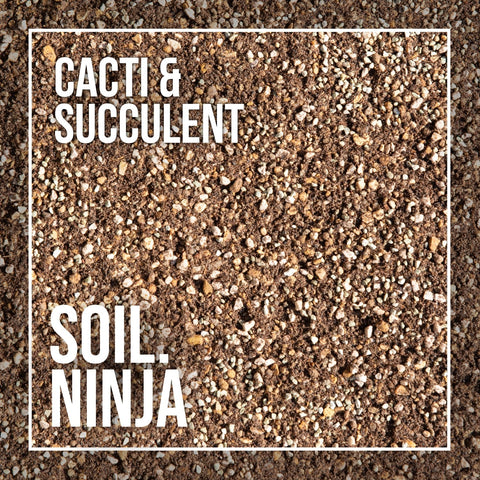
Use a light, sandy soil for best results.
Food
Doesn't usually need fertilising in the ground; in a container, feed in early spring with a balanced fertiliser to support strong growth and abundant flowering.
Pet-safe
No, these plants are toxic to pets and humans.
Sprouts Top Tips
Plant tubers out in autumn for early blooms or in spring for a later display.