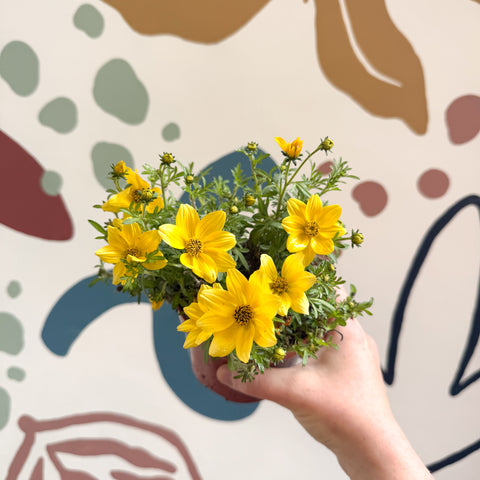
A cheerful and fast-growing annual, Bidens ferulifolia brings a cascade of golden-yellow, daisy-like flowers to beds, borders, and containers from late spring to autumn. Its trailing habit and ferny green foliage make it ideal for hanging baskets, window boxes, or the edges of raised beds, where it spills attractively over the sides. The bright blooms are not only eye-catching but also a magnet for pollinators.
Bidens ferulifolia, commonly known as Yellow Beggar’s Tick, is a heat- and drought-tolerant plant that thrives with minimal fuss. It’s perfect for adding long-lasting colour and a soft, naturalistic feel to summer displays.
|
Annual
|
Trailing, Flowering, Summer–Autumn Interest
|
Flowers: May–October
Foliage: Spring to first frost
|
Scientific Name
Bidens ferulifolia (from Latin bis “twice” and dens “tooth” – referring to the seed shape; ferulifolia means “with foliage like a giant fennel”)
Synonyms
None widely used
Common Name
Yellow Beggar’s Tick, Fern-leaved Beggarticks
Origin
Native to southwestern United States, Mexico, and Central America
Pruning Tips
Trim back lightly if the plant becomes straggly in midsummer to encourage bushier growth and continued flowering. Deadheading isn’t strictly necessary but can help extend bloom time.
Wildlife Value
Highly attractive to bees and butterflies. An excellent nectar source throughout summer.
Positioning
Full sun is best, though it will tolerate light shade. Perfect for containers, baskets, and the front of borders.
Water
Water regularly in containers or during prolonged dry spells. Once established in the ground, it copes well with short periods of drought.
Soil
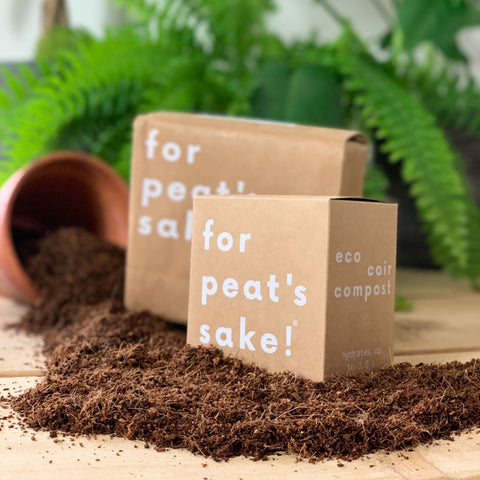
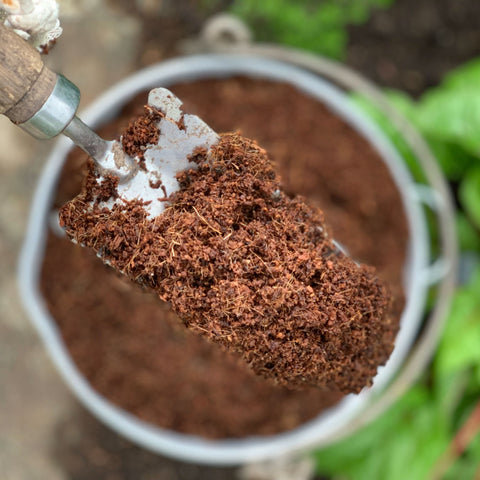
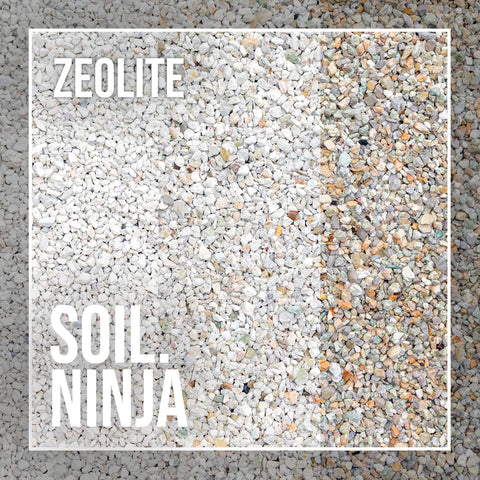
Prefers free-draining soil. In containers, use a peat-free, loam-based compost mixed with perlite or grit to improve drainage.
Food
Feed fortnightly with a liquid fertiliser high in potash to support continuous flowering. Container-grown plants may need more frequent feeding.
Pet-safe
Generally considered non-toxic, but best to keep out of reach of pets prone to nibbling.
Sprouts Top Tips
Ideal for low-maintenance summer colour – try pairing with trailing verbena, diascia, or petunias for a vibrant, bee-friendly display that lasts until the first frost.