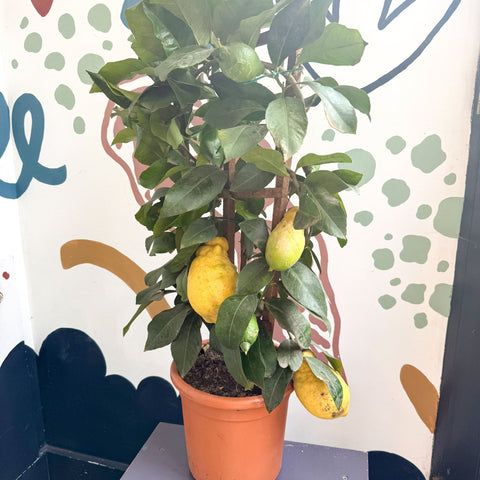
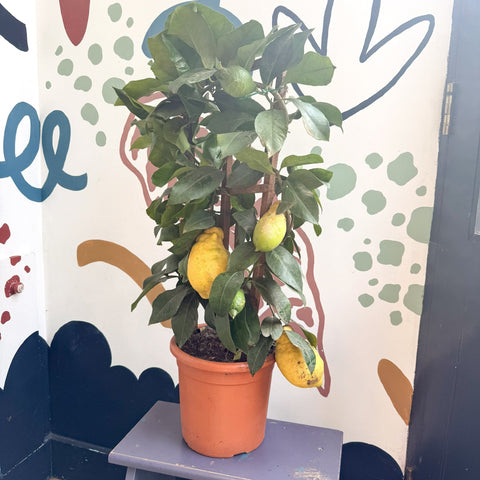
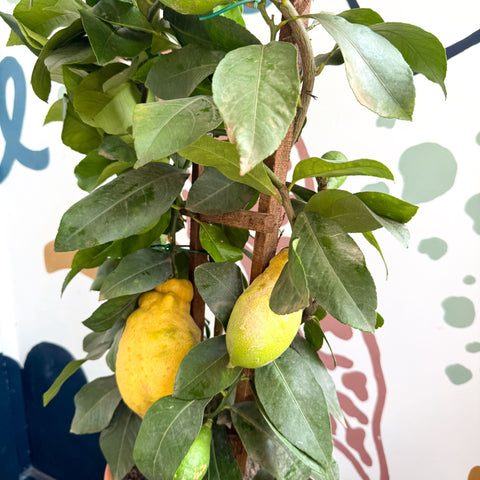
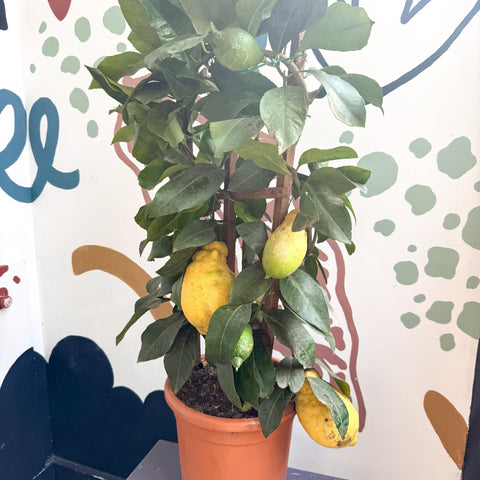
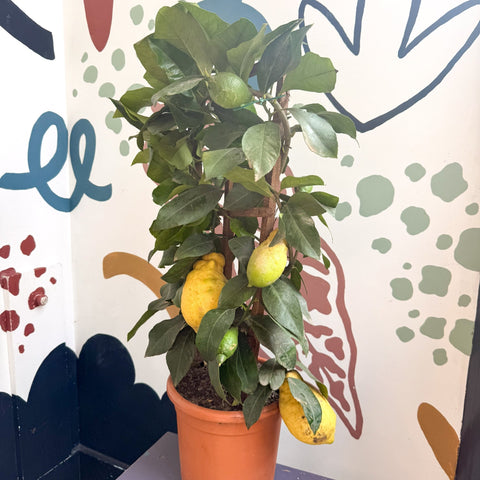
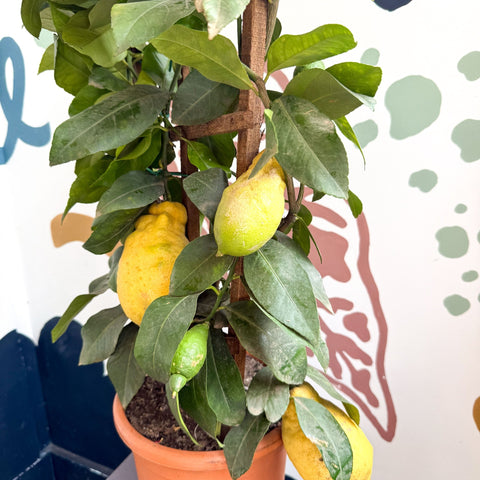
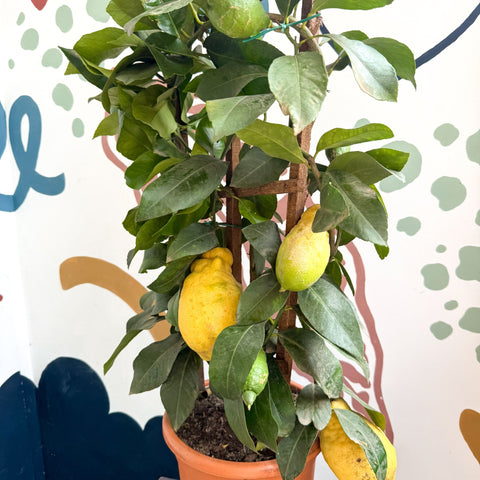
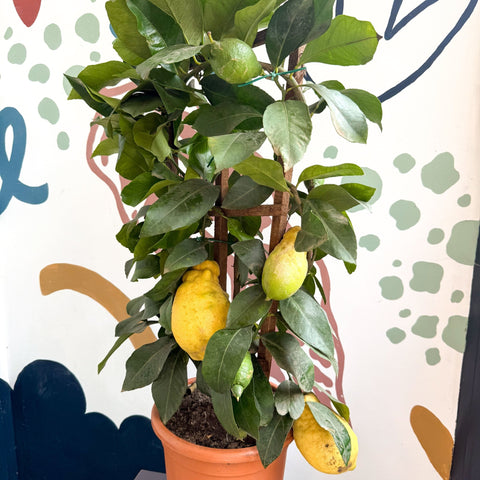
Bring a slice of the Mediterranean indoors with this fragrant, fruit-bearing plant. With glossy green leaves, sweet-scented blossoms, and the promise of tart yellow fruit, the lemon tree makes a lively and rewarding houseplant. With the right care and a sunny spot, it can fruit indoors and bring citrus cheer year-round.
Scientific Name
Citrus × limon (a naturally occurring hybrid between Citrus medica – citron – and Citrus aurantium – bitter orange)
Any reclassifications, history about the origins, discovery or botanist who named it
The modern lemon is thought to have originated in Assam (India), northern Burma, or China, and was introduced to Europe around the 2nd century AD. Carl Linnaeus officially classified it as Citrus limon in the 18th century. The “×” denotes its hybrid origins.
Common Name(s)
Lemon Tree
Origin
Native to Asia – especially India, China, and Myanmar
Light
Needs as much sun as possible. A south-facing window or conservatory is ideal. If grown indoors year-round, supplement with a grow light during winter to maintain healthy growth and potential fruiting.
Water
Water thoroughly when the top 2–3cm of soil is dry. Reduce watering in winter but never allow the root ball to completely dry out. Avoid letting the plant sit in water.
Humidity
Prefers moderate to high humidity. Mist regularly, especially in heated homes during winter. Alternatively, place on a pebble tray or near other plants to maintain moisture in the air.
Soil
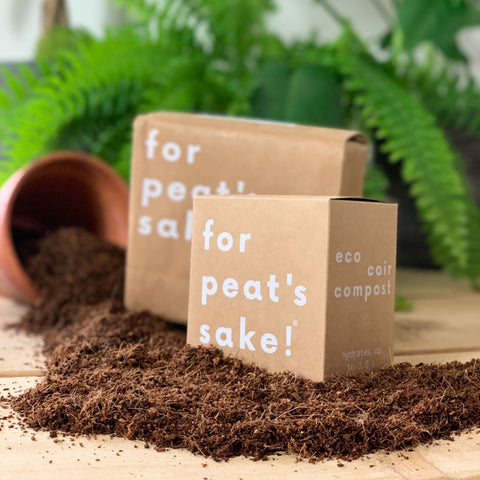
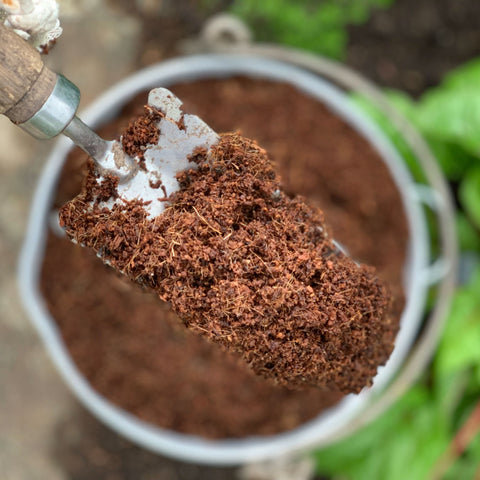
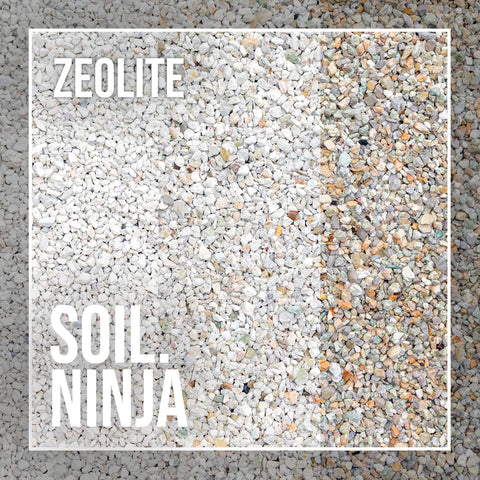
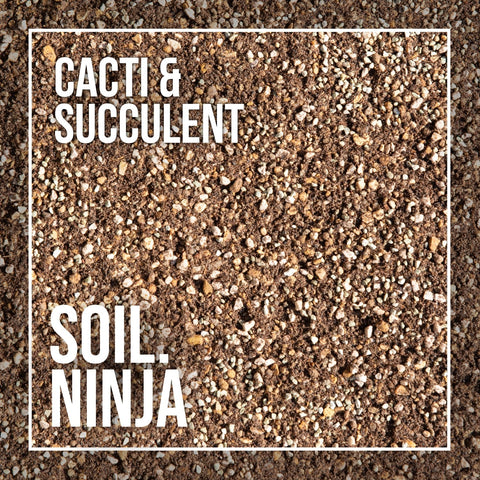
Free-draining citrus or loam-based compost with added grit or sand works best. Avoid heavy soils that retain water. Repot every 2–3 years or top up with fresh compost annually in spring.
Food
Feed weekly from March to October with a citrus-specific fertiliser high in potassium. Switch to a winter citrus feed (lower nitrogen) every 3–4 weeks during colder months.
Temperature
Thrives between 16–26°C. Protect from draughts and sudden temperature changes. Can tolerate cooler temperatures down to 5°C in winter dormancy but must be protected from frost.
Pet-safe
Toxic if ingested – keep away from pets and children
Sprouts Top Tips
Citrus trees are prone to scale insects and spider mites in dry indoor environments. Wipe leaves gently with a damp cloth or shower the plant occasionally to keep pests at bay.
Extras
Will benefit from being outdoors in summer (after the last frost) to encourage pollination and fruiting – just acclimatise it gradually to prevent leaf scorch.
Did You Know?
Citrus trees have both male and female reproductive parts in each flower, meaning they’re self-pollinating – but giving them a gentle shake or brushing the flowers with a soft paintbrush can help indoor trees along!