Delicately cascading and softly fuzzy, Hoya linearis is a dreamy trailing houseplant unlike any other in the Hoya family. Its fine, needle-like leaves form gentle vines that spill gracefully from shelves, pots, or hanging baskets, creating a light, airy effect. Unlike the thicker, waxy leaves of other Hoyas, linearis has a softer touch and thrives in bright, indirect light. When happy, it may reward you with clusters of starry, fragrant white flowers – a sweet surprise from this understated beauty.
Scientific Name
Hoya linearis
(linearis = Latin for “narrow” or “thread-like,” describing the plant’s slender leaves)
Common Name
Trailing Wax Plant, Fuzzy Hoya, Hoya linearis
Origin
Native to the foothills of the Himalayas, particularly Nepal and parts of northern India, where it grows as an epiphyte in cool, bright, humid forests.
Light
Prefers bright, indirect light. A few hours of gentle morning or late afternoon sun will help it thrive, but avoid harsh midday rays. Lower light will slow growth and reduce the chance of flowering.
Water
Water when the top half of the soil feels dry. Hoya linearis is less succulent than other Hoyas and prefers slightly more frequent watering, but it still dislikes sitting in soggy soil. In winter, water more sparingly.
Humidity
Enjoys moderate to high humidity. It will tolerate average home levels, but misting or a humidifier will help support its fine foliage and blooming potential.
Soil
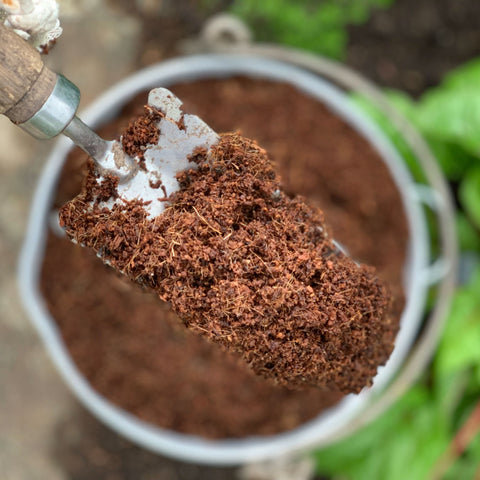
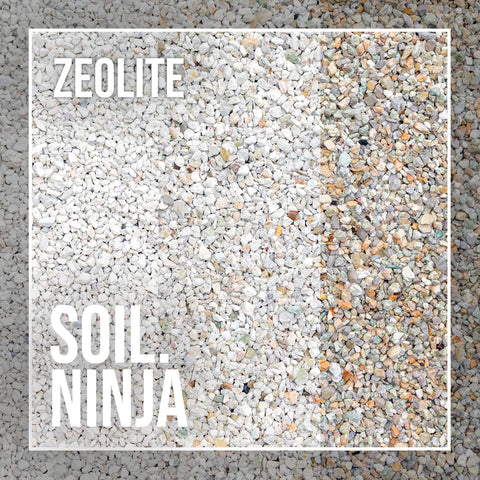
Use a free-draining, airy mix. A combination of orchid bark, perlite, and peat-free compost or coco coir mimics its natural epiphytic growing conditions.
Food
Feed every 4–6 weeks in spring and summer with a diluted orchid or houseplant fertiliser. A high-phosphorus feed in early spring can help encourage blooms.
Temperature
Prefers temperatures between 15–24°C. Protect from cold draughts and avoid exposure to temperatures below 10°C.
Pet-safe
Yes – Hoya linearis is considered non-toxic to pets and humans.
Sprouts Top Tips
Avoid repotting too frequently – this Hoya prefers to be slightly root-bound. Once settled, give it consistent light and care, and it may reward you with soft, vanilla-scented blooms.