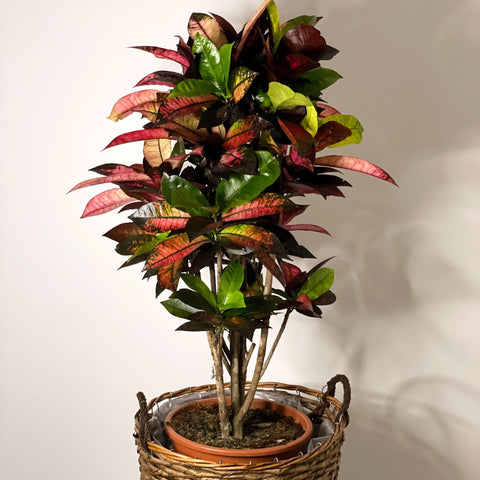
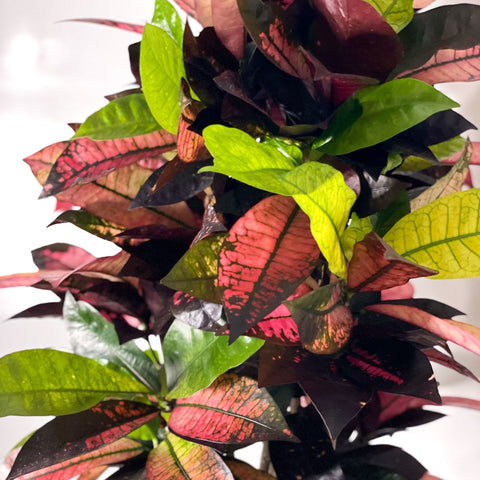
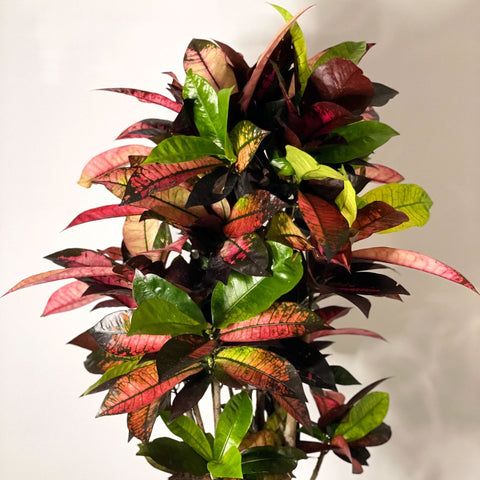
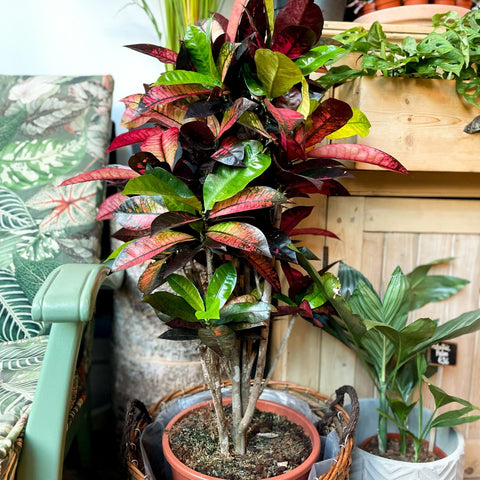
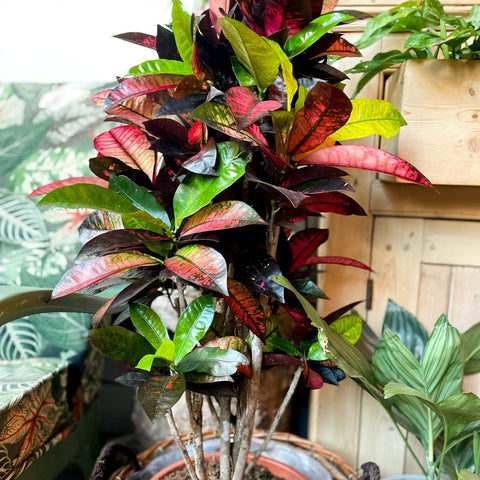
This cultivar of Croton really brings to the fore the species' characteristic colouring. Each leaf matures through shades of lime green, rose pink, butter yellow, deep burgundy and peach orange, with the overall impression of an explosion of tropical colour. The thick, glossy leaves are well adapted to high light levels, and if you can give your croton a dose of sun it will grow all the more vibrantly. This plant grows in an upright shape, with its foliage bursting from central stems in warm hues.
Scientific Name
Codiaeum variegatum ‘Mrs Iceton’ (variegated kodiho plant, cultivar: Mrs Iceton)
Synonyms: Codiaeum chrysosticton, Croton variegatus, Crozophyla variegata, Oxydectes variegata, Phyllaurea variegata
Originally known as Croton variegatus, this plant got its current scientific name Codiaeum variegatum in 1824 and has kept it ever since.
Common Name
Croton Mrs. Iceton, Mrs. Iceton Croton, Variegated Croton, Croton, Joseph's Coat
Origin
Native to Northeastern Australia, Borneo, Fiji, the Philippines, Indonesia, Vanuatu and New Guinea
Light
Some direct sun will be beneficial to your Croton, especially in autumn and winter. Shelter it from the harshest sun in spring and summer, though, as too much direct light can scorch the leaves.
Water
Let just the top third of the soil dry between waters, and be sure to reduce this in autumn and winter or if your Croton gets less-than-ideal light levels. Use lukewarm water to avoid shocking the roots and, if you need to use tapwater, let it stand for 24 hours to allow the fluoride to evaporate first.
Humidity
Crotons appreciate humidity; natively they grow in wet tropical areas. If your leaf tips are going crispy, it may be worth using a pebble tray to increase local humidity levels.
Soil
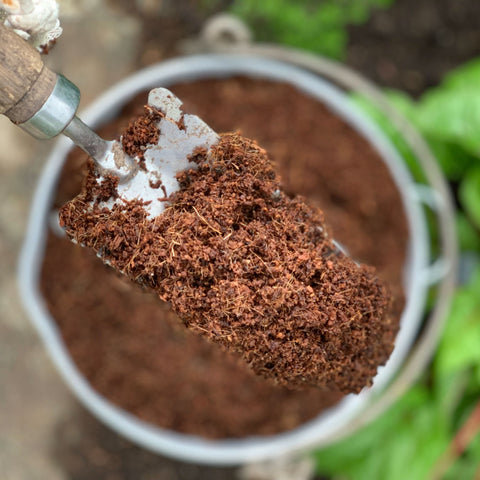
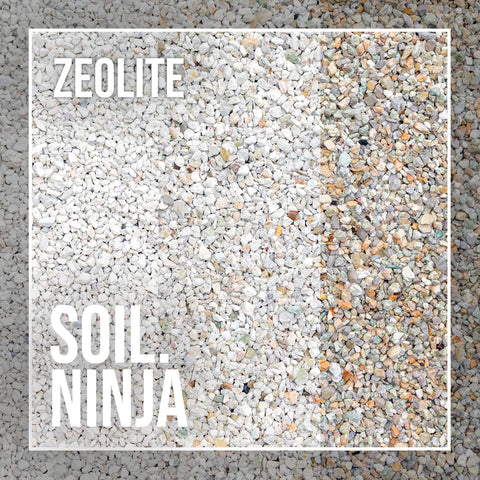
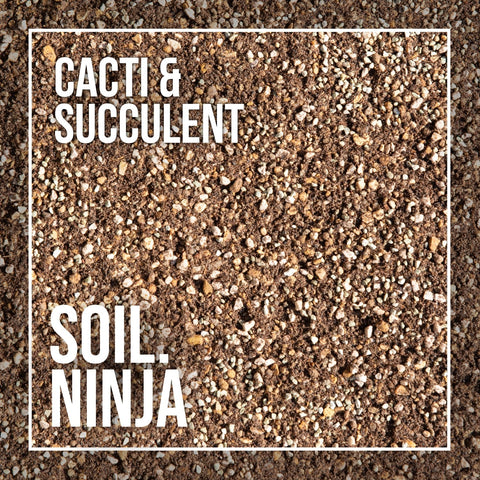
A potting mix with a mixture of porous and non-porous materials will give a good combination of moisture retention while still draining well. One designed for Syngoniums will work well here. Repot every few years in spring as the plant grows.
Food
Feed every four waters in the growing season, reduce to every six in autumn and winter.
Temperature
Higher temperatures, between 18-27°C, are ideal. Make sure your Croton does not get colder than 15°C suddenly or for long periods as this can cause it to drop leaves and be damaged permanently.
Pet-safe
No, this plant is toxic to pets and small humans.
Sprouts Top Tips
Sudden lower-leaf loss is a sign of distress to watch out for; remember it's better to under-water than over-water this plant.