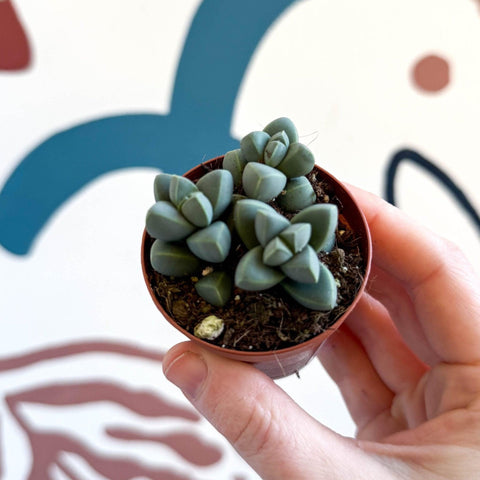
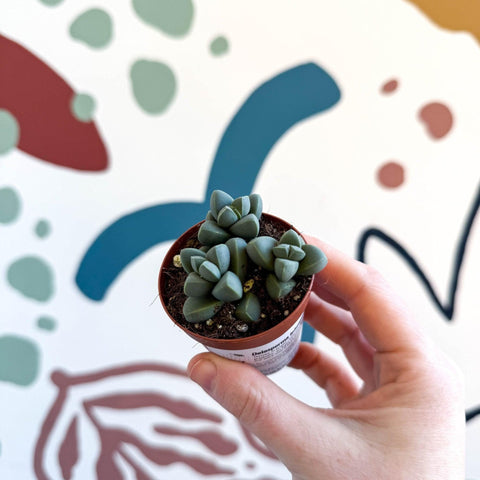
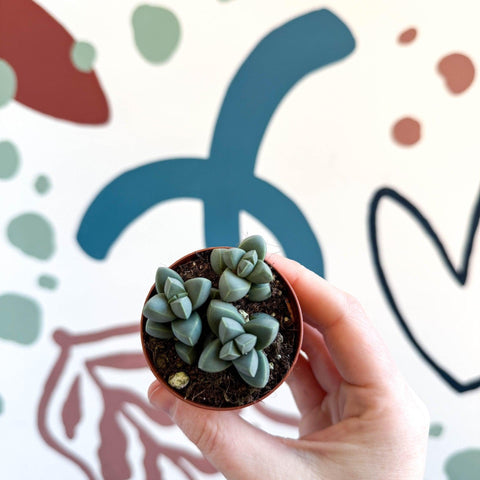
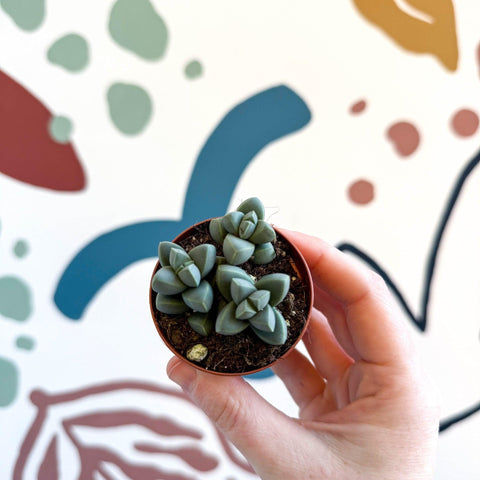
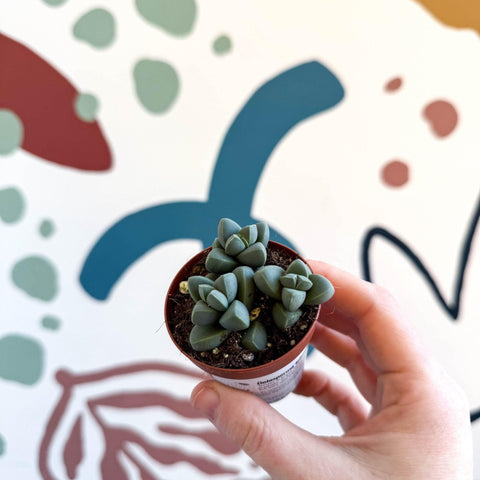
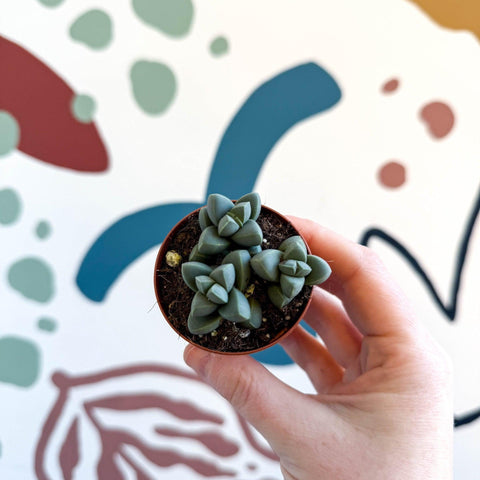
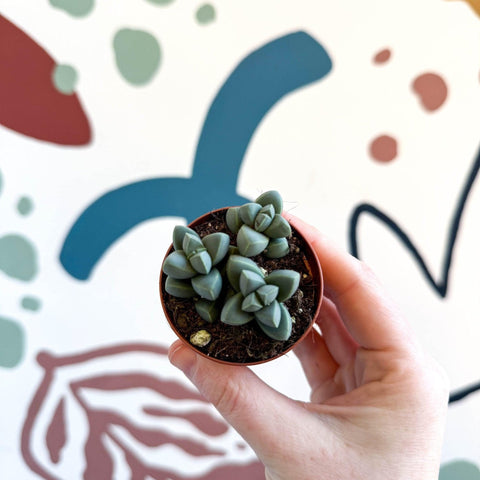
This charming succulent boasts smooth, triangular leaves with a bluish-green hue, resembling icy geometric gems. Compact and low-growing, it forms a dense, mat-like cluster that slowly expands. Its unique appearance makes it a favourite for adding texture and colour to windowsills or succulent arrangements. With proper care, it may even reward you with small, daisy-like flowers in shades of white or pale yellow during its growing season.
Scientific Name
Delosperma lehmannii (plant with visible seed named after Johann Georg Christian Lehmann)
This plant was previously classified as part of the genus Mesembryanthemum but was reclassified into the Delosperma genus in the 20th century. It was named in honour of the German botanist Johann Georg Christian Lehmann, who contributed extensively to plant taxonomy.
Common Name
Ice Plant
Origin
Native to arid regions of South Africa, particularly in areas with rocky, well-drained soil.
Light
Thrives in bright, indirect light and can tolerate full sun if introduced gradually. An east or west-facing window is ideal, but a south-facing spot will work well if the plant is acclimated slowly to prevent leaf scorch.
Water
Allow the soil to dry completely between waterings. Water sparingly during winter, as the plant enters dormancy and requires much less moisture. If the leaves begin to wrinkle or soften, it’s time for a drink.
Humidity
Prefers low humidity and should be kept in a dry environment. Avoid placing it in damp rooms such as bathrooms.
Soil
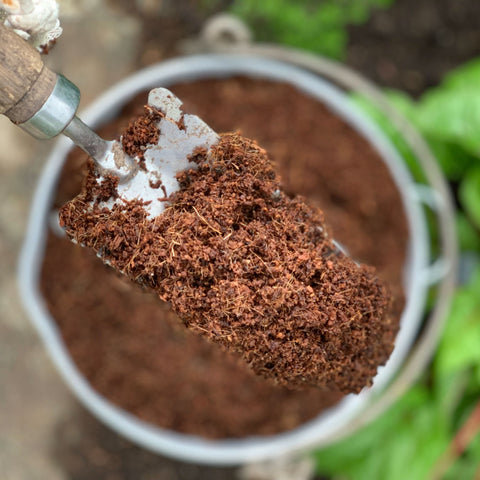
Use a well-draining mix, such as a cactus or succulent potting soil. Adding sand or grit will improve drainage further. Repot every 2–3 years into a slightly larger pot when roots become crowded.
Food
Feed with a balanced, diluted fertiliser every two months during spring and summer. Reduce feeding to once every three months in autumn and winter.
Temperature
Prefers temperatures between 15–25°C during its growing period. In winter, ensure the temperature does not drop below 10°C to prevent damage, although slightly cooler conditions can encourage dormancy.
Pet-safe
Yes, non-toxic to pets and humans, but ingestion should still be avoided to protect the plant and ensure no adverse reactions.
Sprouts Top Tips
Overwatering is the most common issue with Ice Plants. Ensure the soil dries out completely before watering again. During the plant’s winter dormancy, reduce watering frequency, provide cooler temperatures, and avoid fertilising to encourage potential flowering the following spring or summer.