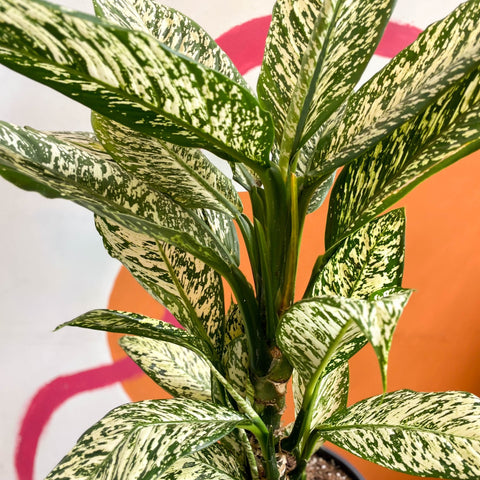
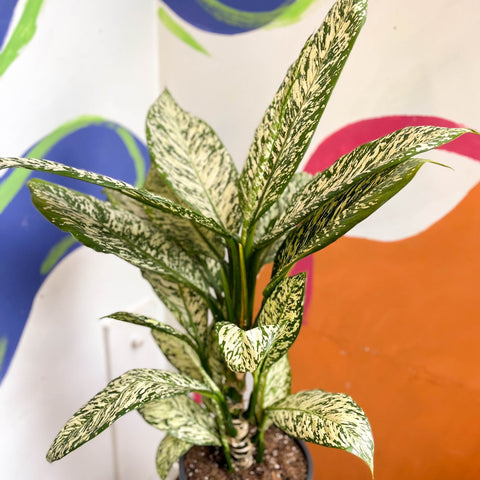
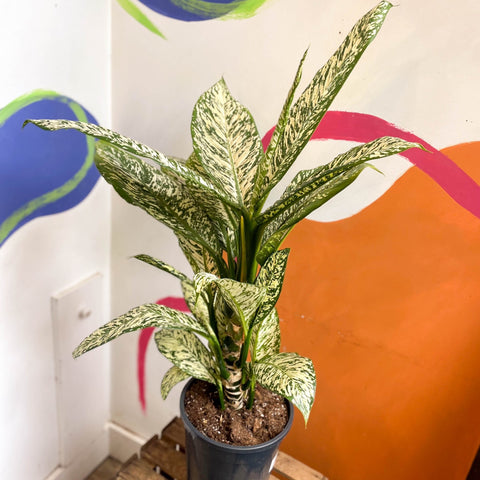
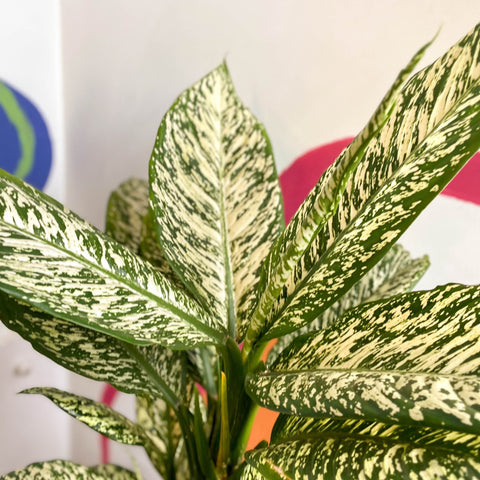
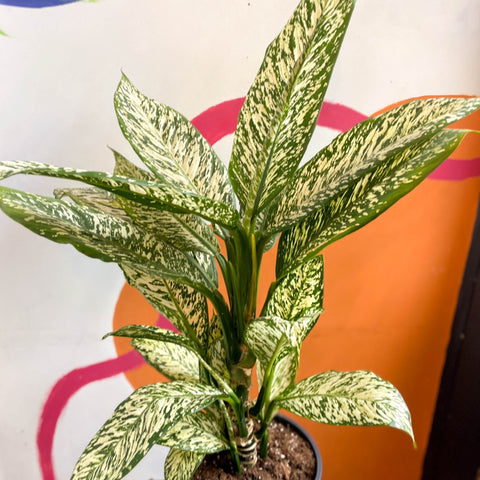
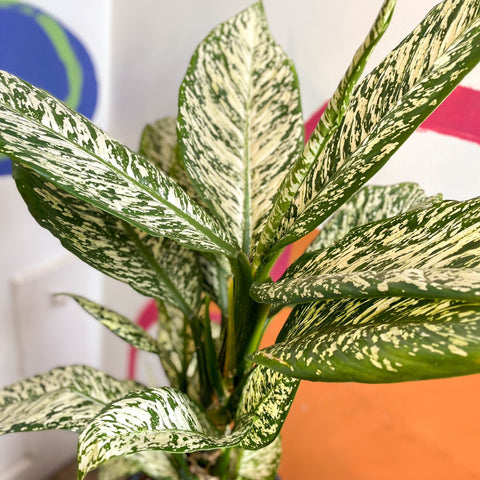
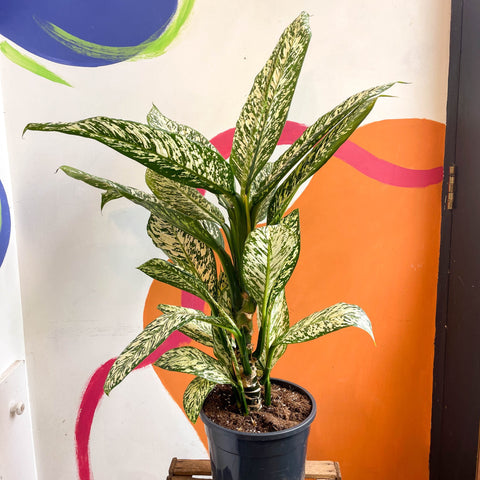
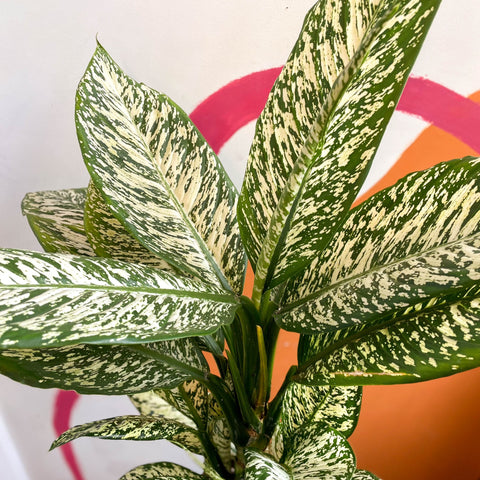
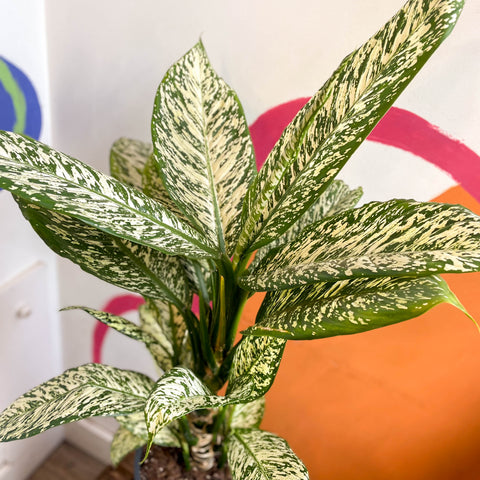
This Leopard Lily's leaves fan out from a central stem, its long leaves fanning out in a riot of colour. Leaves are paddle-shaped with a point on the end, and scattered with stunning white variegation. Give this plant plenty of light to maintain this much variegation, as without adequate light new leaves could come through more green. Bringing to mind the powder-dust of snow on a high mountain, the 'White Etna' will add colour, interest and variety to your home. This plant can grow up to three feet (90cm) tall as a houseplant, so look after it and you can make it into a real statement!
Scientific Name
Dieffenbachia seguine 'White Etna' (Dieffenbach's plant, Seguin's species, cultivar: White Etna)
Common Name
Leopard Lily, Dumb Cane*
Origin
Native to Tropical areas in the Americas, from Mexico and the West Indies to Argentina
Light
Pick an east or west-facing location for the best light for this plant. It can cope with weaker morning or evening sun, but otherwise should avoid direct light and will be happy as long as there's enough natural light to read by. It might need to move closer to the window in winter!
Water
Allow the top third of the soil to dry out in between watering. Cold water can shock this plant, so use room-temperature water when giving it a drink.
Humidity
Likes high humidity; if you see brown or curling leaf tips, it will appreciate a mist or the addition of a humidity tray!
Soil
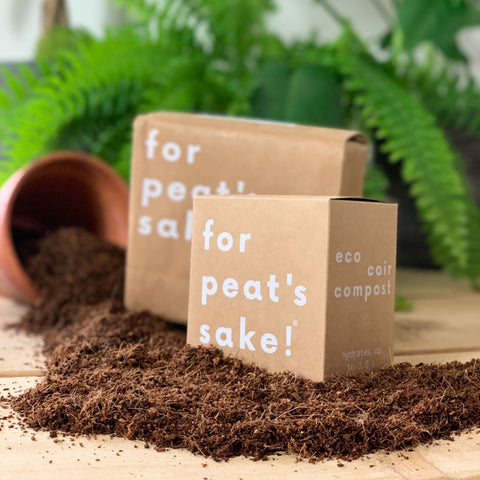
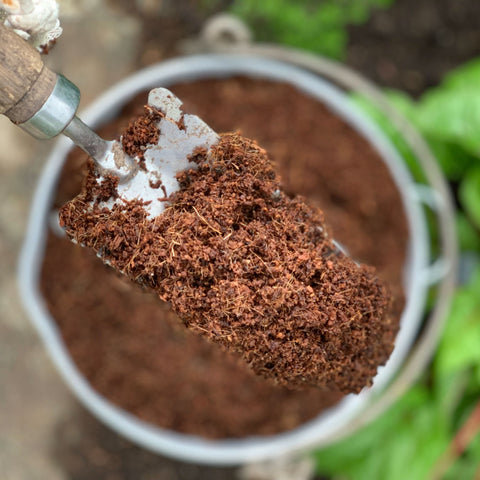
Use a chunky, well-draining soil mix. One with added coir, perlike and bark, or a blend designed for Ficus plants, will work well here. Repot every couple of years in spring as the plant grows.
Food
Feed every four waters in the growing season, reduce to every six in autumn and winter.
Temperature
Ideal temperature is 20-24°C; make sure it does not get colder than 15°C in winter.
Pet-safe
No, this plant is toxic to pets and small humans.
Sprouts Top Tips
A loss of variegation likely means it's in too dark a spot; to keep them, move it somewhere brighter. Another indicator of this is dropping of lower leaves; this plant likes its light bright! Handle carefully when repotting this plant. Its sap can irritate your skin!