This classic English lavender is loved for its neat, compact form and rich violet-blue flower spikes, which bloom profusely above silvery-grey foliage. Lavandula angustifolia ‘Hidcote’ is one of the most popular and reliable varieties, known for its strong fragrance, excellent drought tolerance, and ability to attract bees, butterflies, and other pollinators. A timeless choice for edging paths, borders, and sunny gravel gardens.
Lavandula angustifolia ‘Hidcote’, commonly known as English Lavender ‘Hidcote’, is a hardy, evergreen shrub that’s ideal for formal hedging or informal cottage-style planting schemes. Its dense, aromatic foliage and long flowering season make it a garden essential.
|
Evergreen Shrub
|
Compact, Fragrant, Long-Flowering (Mid to Late Summer)
|
Flowers: June – August
Foliage: Year-round
|
Scientific Name
Lavandula angustifolia ‘Hidcote’ (angustifolia = narrow-leaved in Latin)
Synonyms
Sometimes referred to simply as Lavandula ‘Hidcote’
Common Name
English Lavender, Hidcote Lavender
Origin
Native to the Mediterranean region; this cultivar was introduced in the UK and named after Hidcote Manor Garden in Gloucestershire
Pruning Tips
Lightly trim after flowering to keep the plant compact and prevent it becoming woody. In late summer or early autumn, cut back faded flower stalks and tidy the shape without cutting into old wood.
Wildlife Value
An excellent source of nectar for bees, butterflies, and hoverflies. Also acts as a natural pest deterrent.
Positioning
Thrives in full sun. Ideal for borders, herb gardens, raised beds, and containers in sunny, sheltered locations.
Water
Drought tolerant once established. Water regularly during the first season to help roots establish. Avoid overwatering or waterlogged soils.
Soil
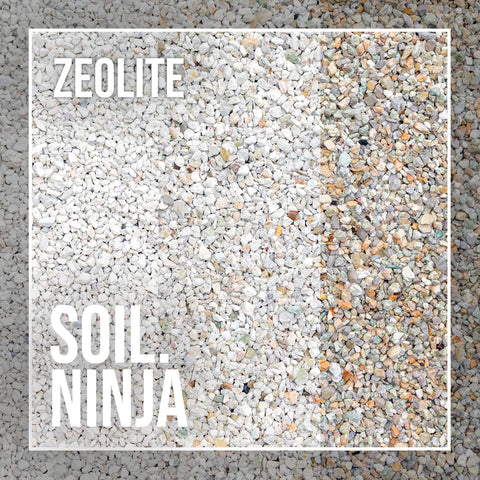
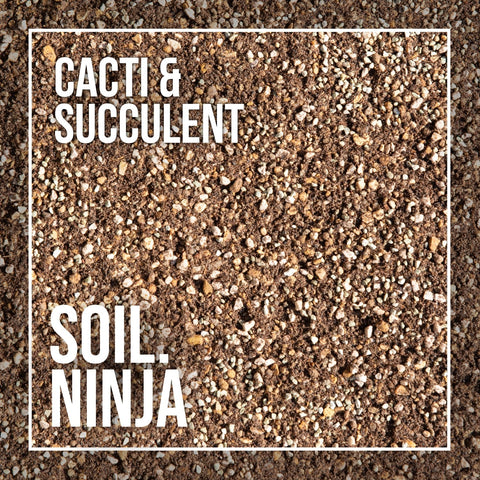
Prefers free-draining, alkaline to neutral soil. Will tolerate poor soils but must have good drainage. Avoid heavy clay.
Food
Generally doesn’t need feeding. A light dressing of potash-rich fertiliser in spring can boost flowering. Avoid high-nitrogen feeds.
Pet-safe
Non-toxic to pets and people, though the strong scent may discourage some animals from browsing.
Sprouts Top Tips
Lavender dislikes winter wet – improve drainage by adding grit to soil or growing in raised beds or pots. Regular light pruning keeps plants bushy and long-lived.