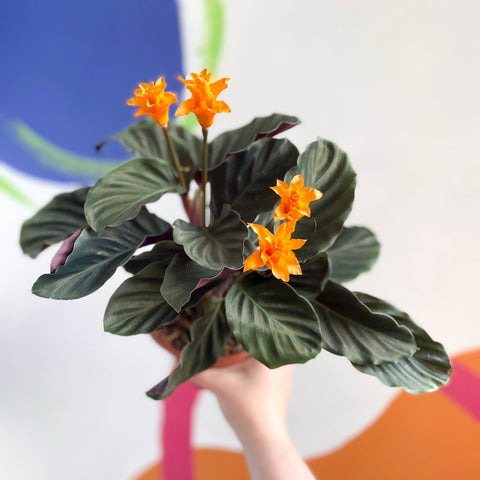
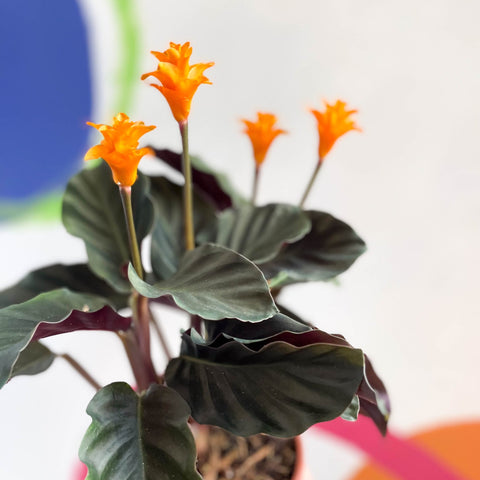
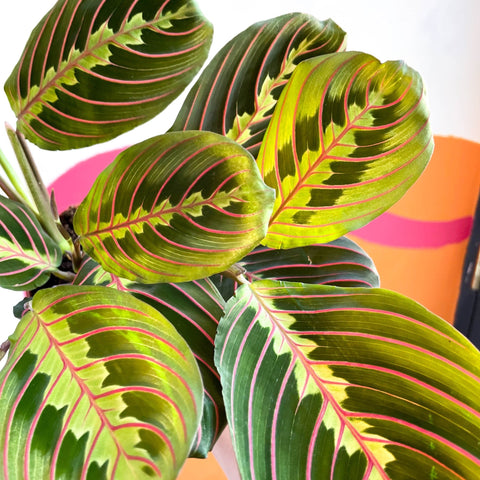
Dramatic and exotic, Calathea crocata, known as the Eternal Flame Plant, is a true tropical beauty. It’s admired not just for its rich, deep green foliage with purple undersides, but also for its stunning, flame-like orange flowers that rise above the leaves on elegant stems. Blooming mostly in late winter or early spring under the right conditions, this striking plant brings colour, movement, and a touch of the rainforest into any indoor space.
Scientific Name
Calathea crocata
(crocata = “saffron-coloured,” referencing the vivid orange blooms)
Common Name
Eternal Flame Plant, Saffron Calathea
Origin
Native to the tropical rainforests of Brazil, where it grows in warm, humid, and shaded environments.
Light
Prefers bright, indirect light. Will tolerate lower light, but flowering is more likely when placed in bright, filtered light. Avoid direct sun, which can scorch the leaves.
Water
Keep the soil evenly moist, but not soggy. Water when the top 2–3 cm of soil feels dry. Use filtered or rainwater if possible, as Calatheas are sensitive to chemicals like fluoride and chlorine in tap water.
Humidity
Requires high humidity – ideally above 60%. Use a pebble tray, mist regularly, or place near a humidifier. Dry air can cause browning on the leaf edges.
Soil
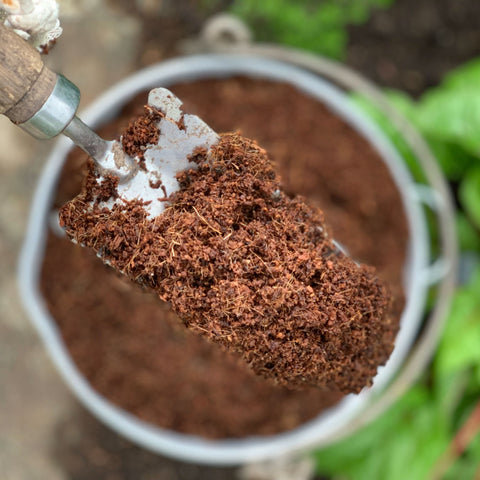
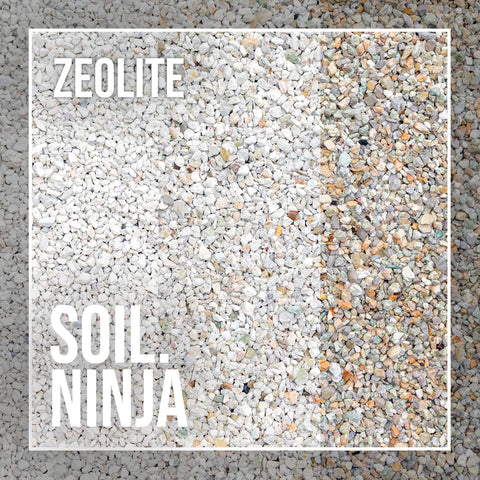
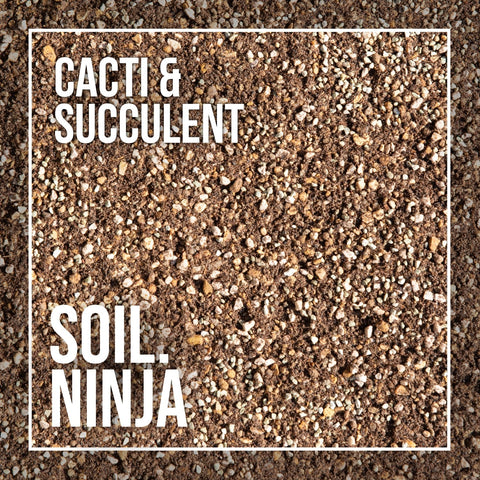
Use a light, well-draining indoor potting mix enriched with organic material. A peat-free mix with added perlite or fine bark works well.
Food
Feed every 4–6 weeks during the growing season with a diluted, balanced liquid fertiliser. Stop feeding in winter when growth naturally slows.
Temperature
Thrives between 18–26°C. Avoid draughts and protect from temperatures below 16°C.
Pet-safe
Yes – Calathea species are non-toxic to pets and humans.
Sprouts Top Tips
To encourage flowering, provide consistently bright, indirect light and maintain warm, humid conditions year-round. After flowering, cut back spent blooms to encourage fresh leaf growth. Wipe leaves gently to remove dust and keep them healthy.